The Creation of the Diocese of Gurk
Reading Time: 0:55 min
In a letter dated 21 March 1070 CE, Pope Alexander II agreed that the diocese of Salzburg was too large for one bishop to manage. However, he stated that it couldn’t be divided without the approval of Archbishop Gebhard or his successors.
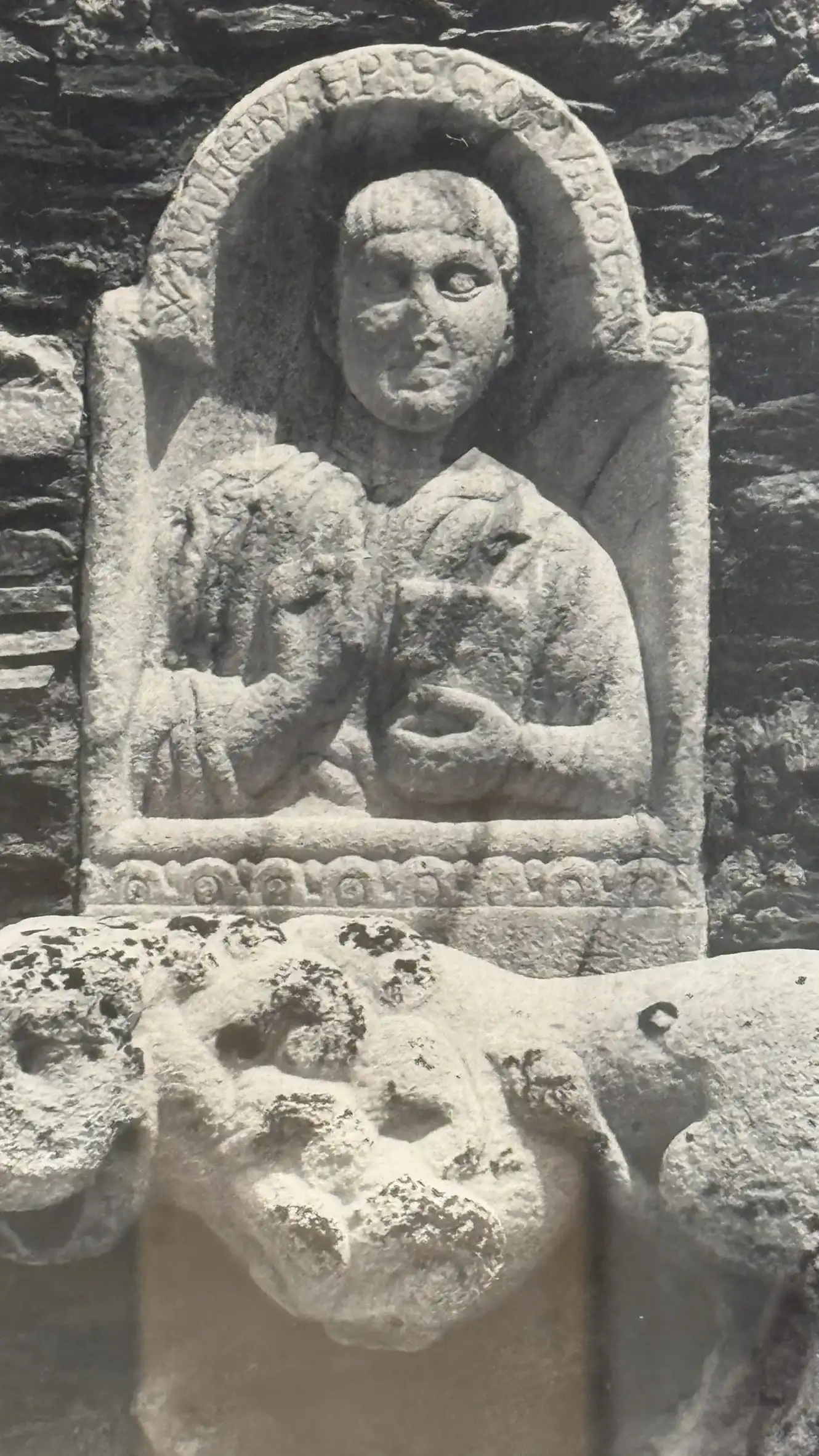
On 6 May 1072, Archbishop Gebhard created a new bishopric in the Duchy of Carinthia, which was part of the Archdiocese of Salzburg, with the approval of Emperor Henry IV. The new diocese was funded by the properties of a former nunnery in Gurk, founded by Countess Hemma in 1043. However, on 17 June 1075, Pope Gregory VII reminded Archbishop Gebhard that he had not yet assigned the tithes to the diocese of Gurk and should do so.
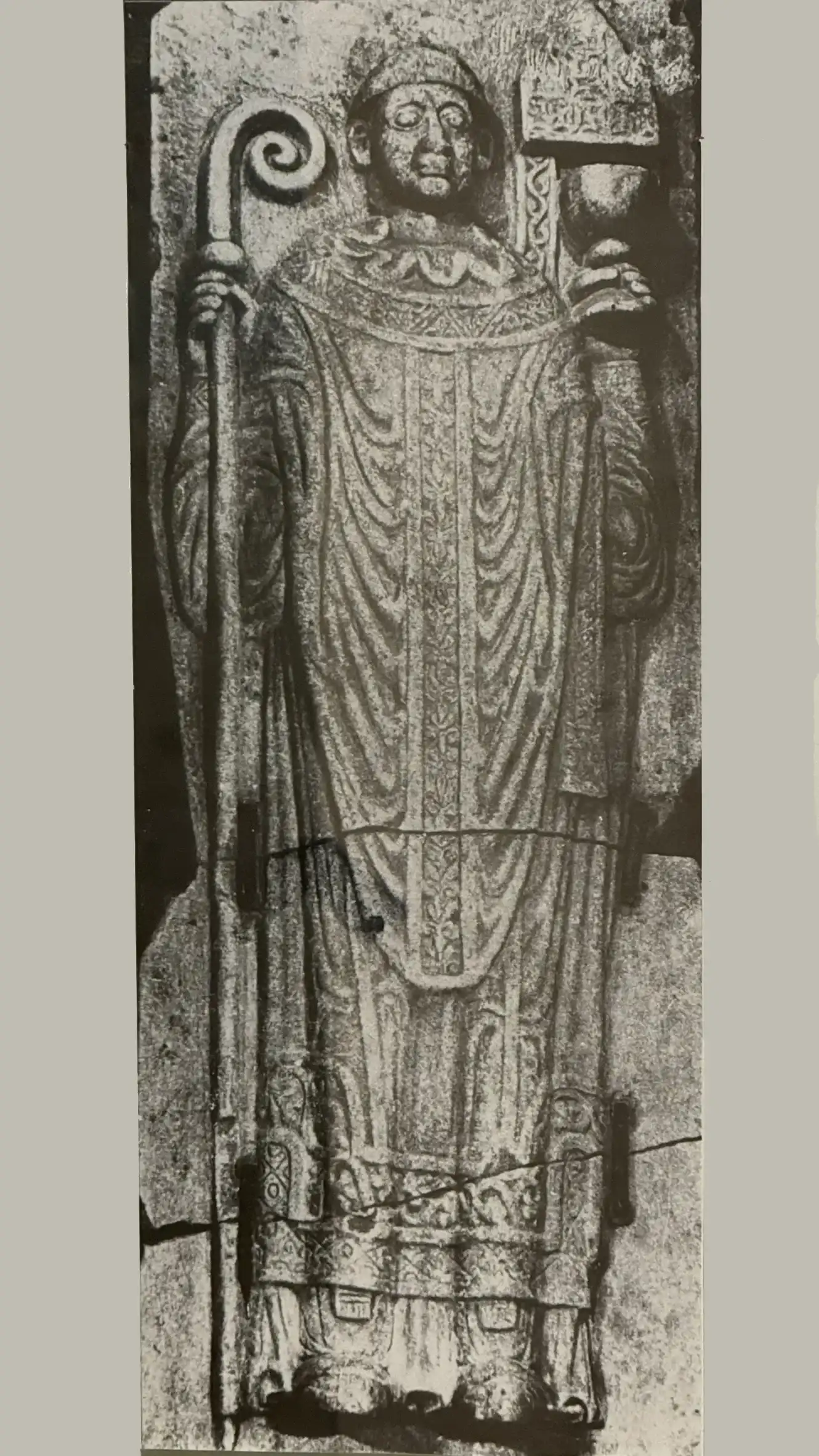
The bishop’s residence was not in Gurk but at Strassburg Castle, about two miles away. At first, the bishops of Gurk only had limited rights, with the Archbishop of Salzburg controlling appointments, consecrations, and investitures. The bishops of Gurk tried to become independent. The first bishop, Günther von Krapffeld, a local noble, was consecrated by Archbishop Gebhard on 6 May 1072.
The diocese of Gurk served as a model for later diocesan creations by the archbishops of Salzburg: the Bishopric of Chiemsee (1216), the Diocese of Seckau (1218), and the Diocese of Lavant (1228).
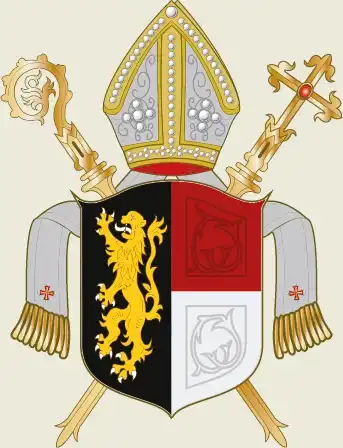
Diocesan Coat of Arms
The Bishops of Gurk
Reading Time: 1:00 min
The Bishops of Gurk were the religious leaders of the Diocese of Gurk. The diocese was established in the 11th century CE and was located in present-day Carinthia. The title of Bishop of Gurk was held by the head of this diocese. The Gurk diocese was part of the ecclesiastical structure of the Catholic Church in the Holy Roman Empire.
The bishops were responsible for overseeing the spiritual welfare of the people within the diocese, managing church affairs, and administering to the clergy and laity in the region. The diocese of Gurk was known for its impressive cathedral, Gurk Cathedral, which was constructed in the 12th century CE and remains an important religious and architectural site today.
Over time, the role of the Bishop of Gurk became influential, not only in religious matters but also in local politics, as the bishops often played a part in the governance of the region. The diocese was a significant part of the ecclesiastical landscape of the Holy Roman Empire and later Austria.
In 1787 CE, during the reign of Emperor Joseph II, the Diocese of Gurk was reorganised and its territory was merged with other dioceses, leading to the end of the Bishopric of Gurk as a separate entity. However, the legacy of the bishops of Gurk continues through the history of Carinthia and the architectural and cultural heritage associated with the diocese.