






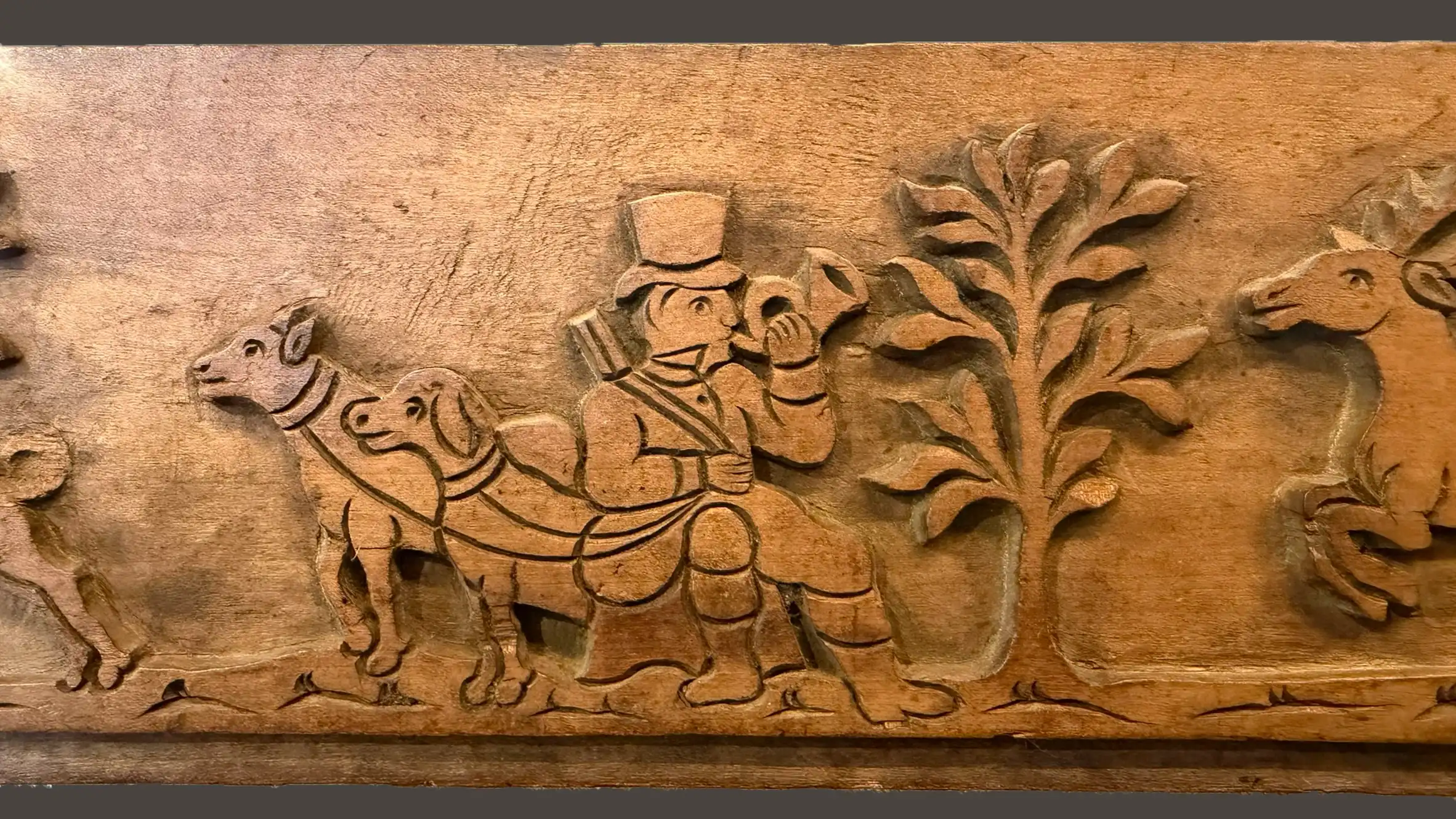

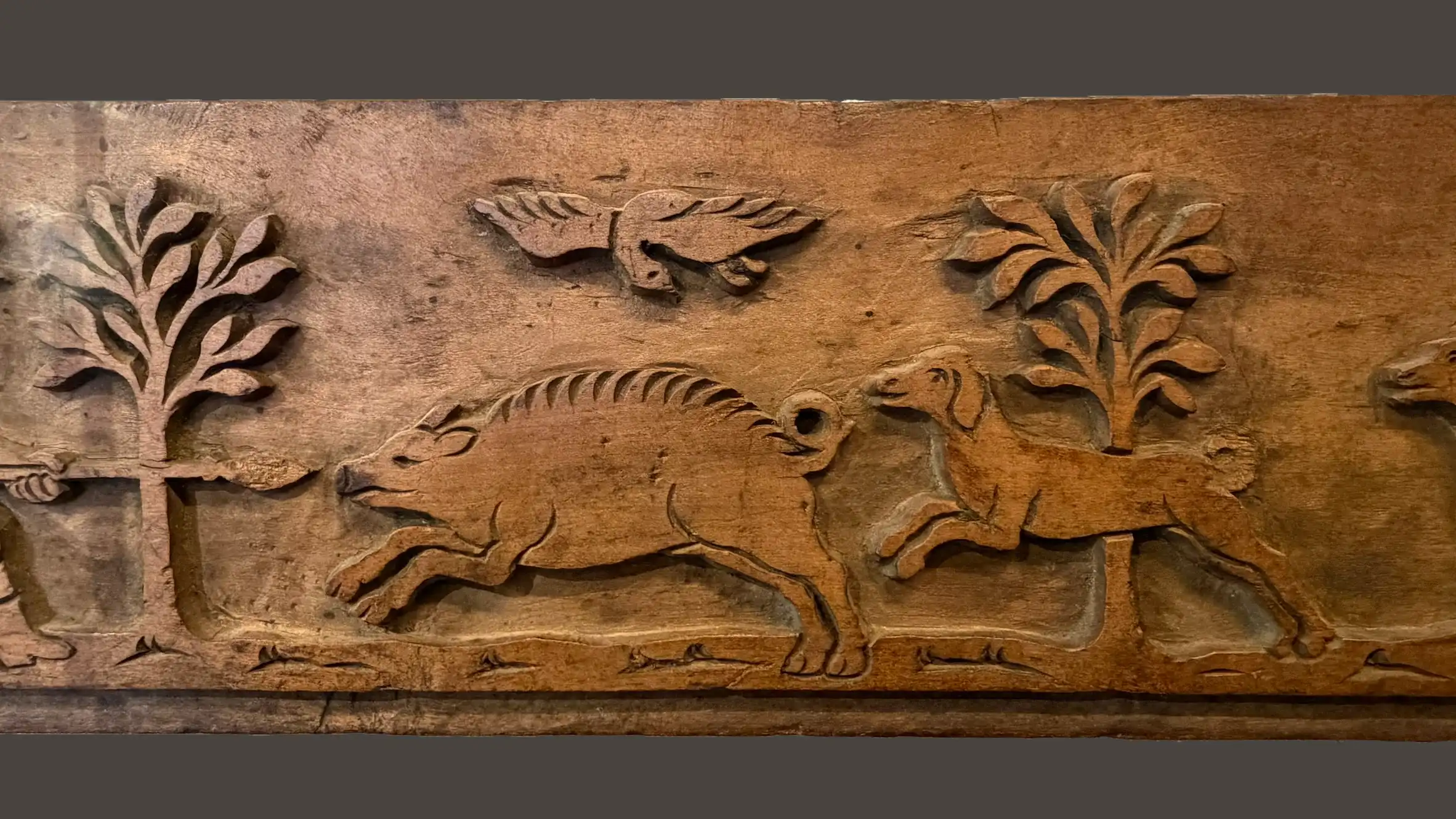

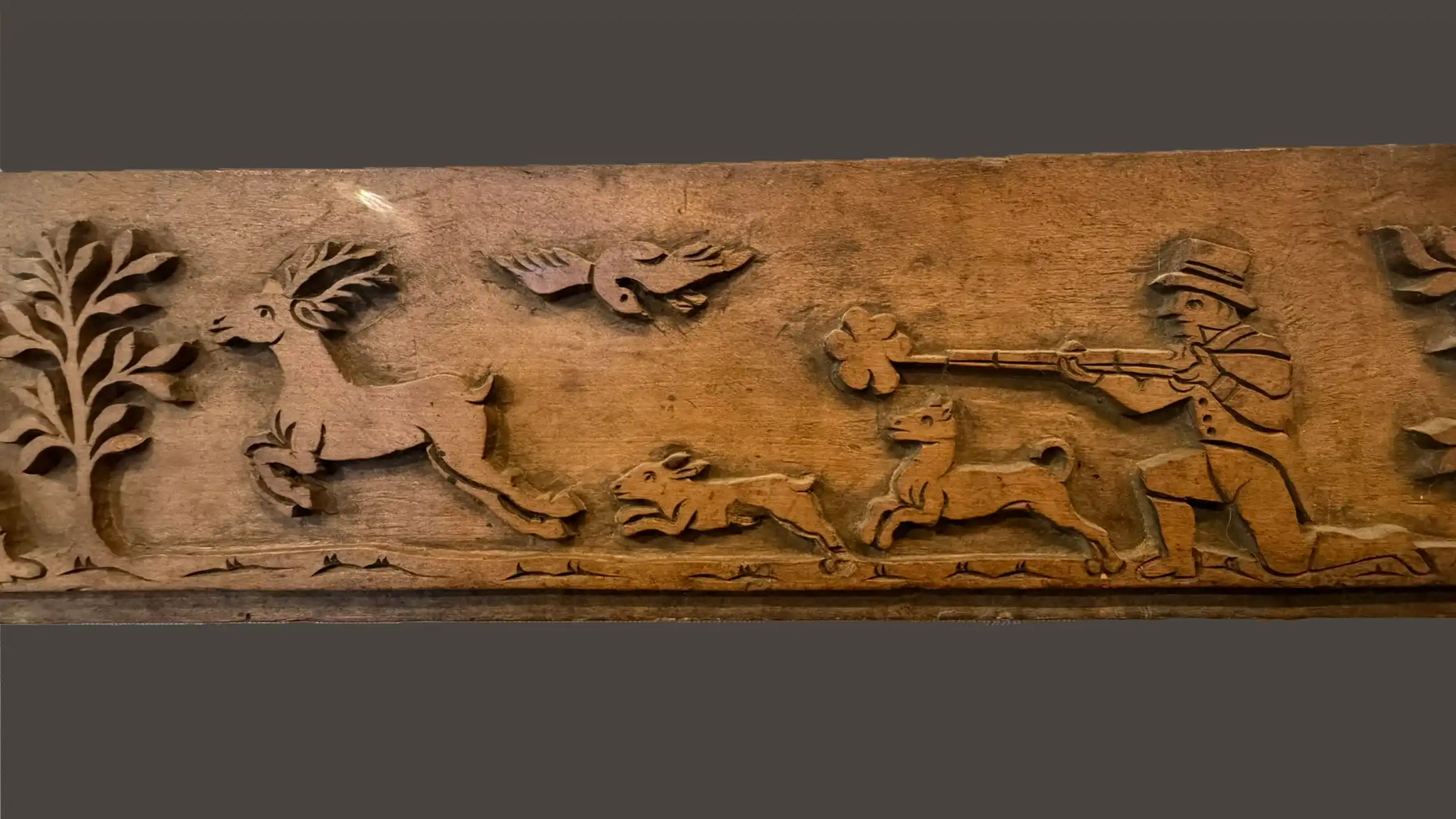

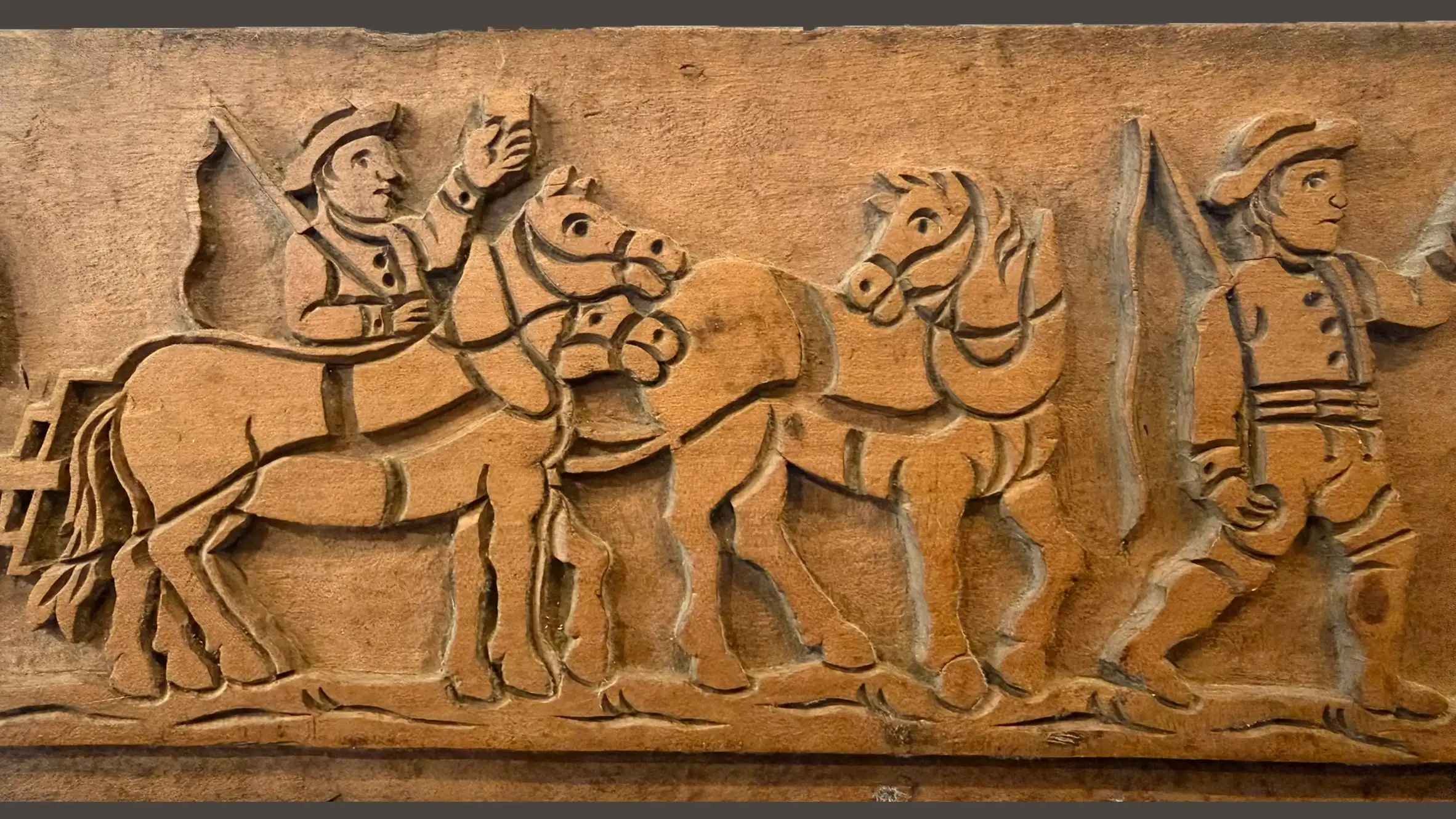
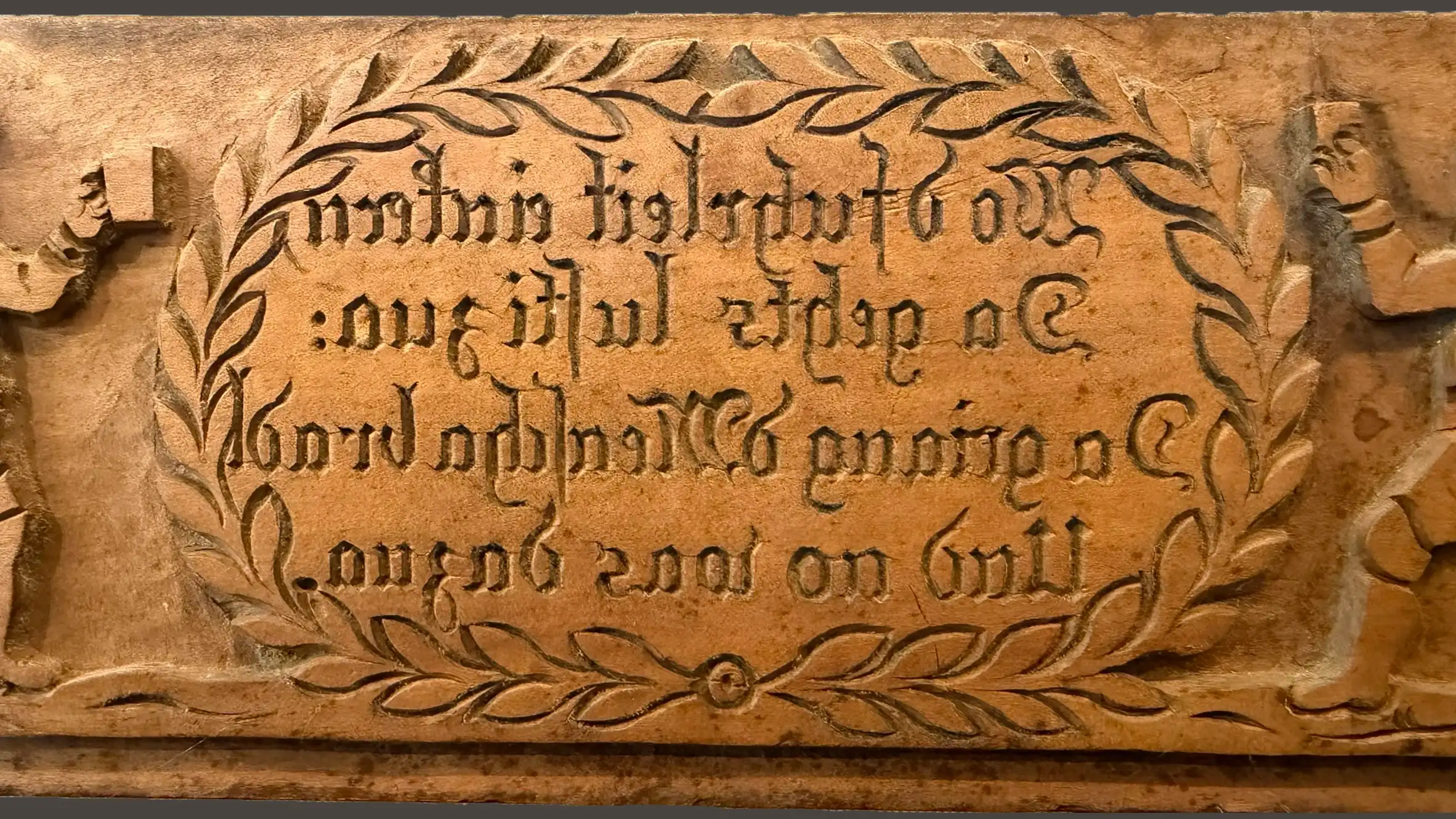
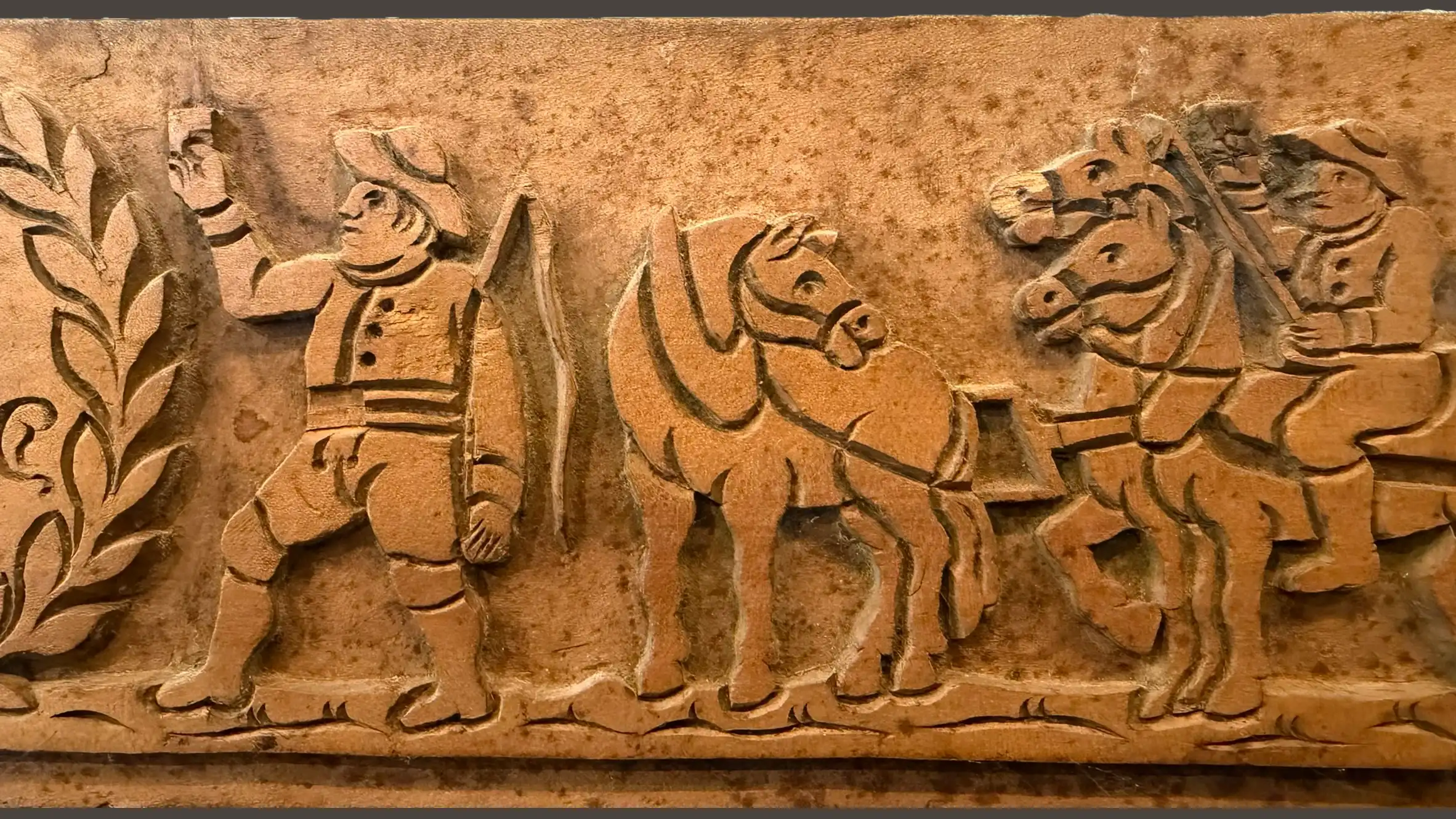
Various Wooden Moulds
Reading Time: 2:05 min
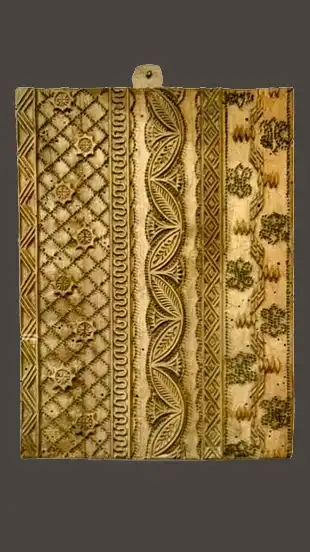
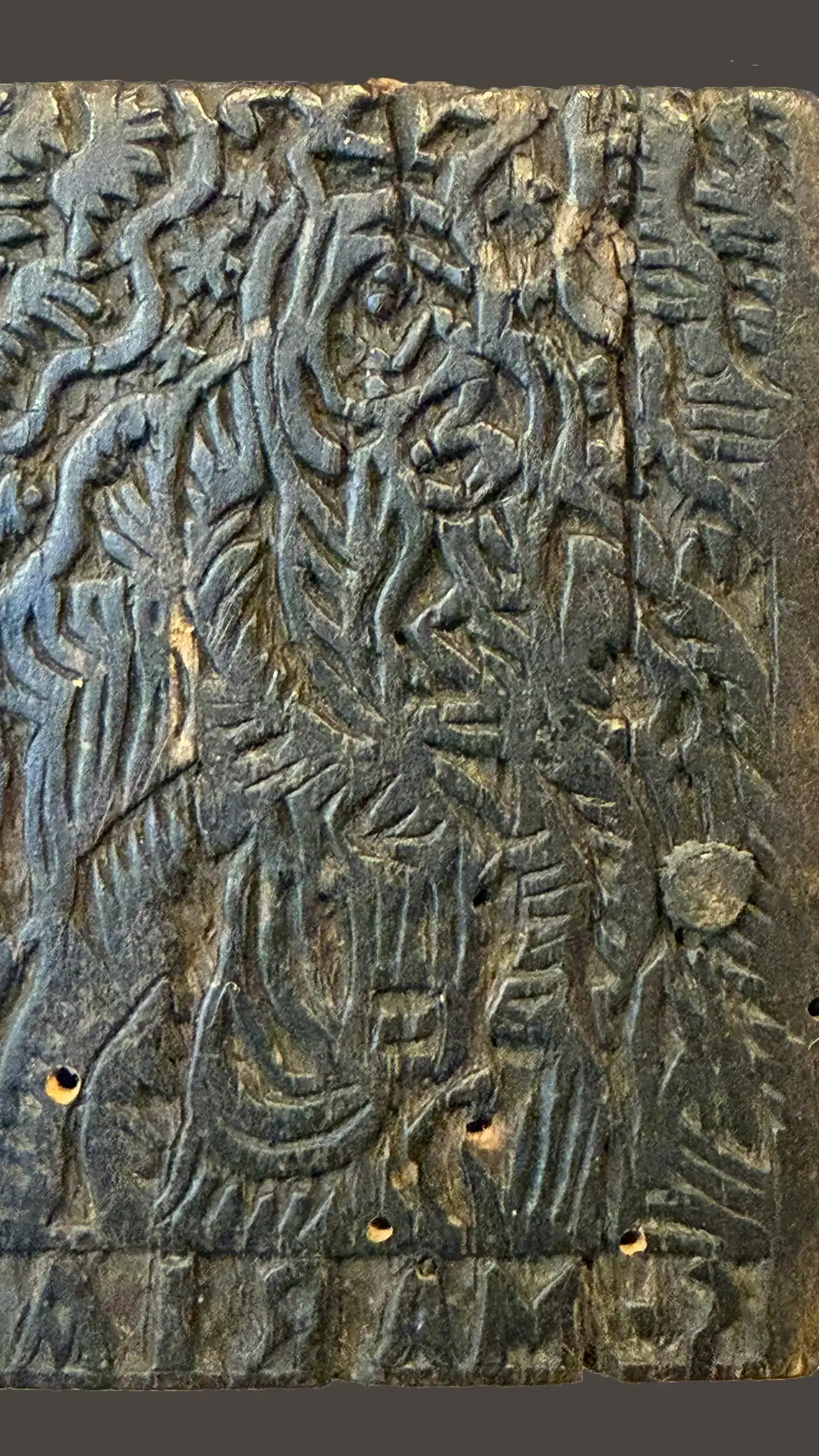
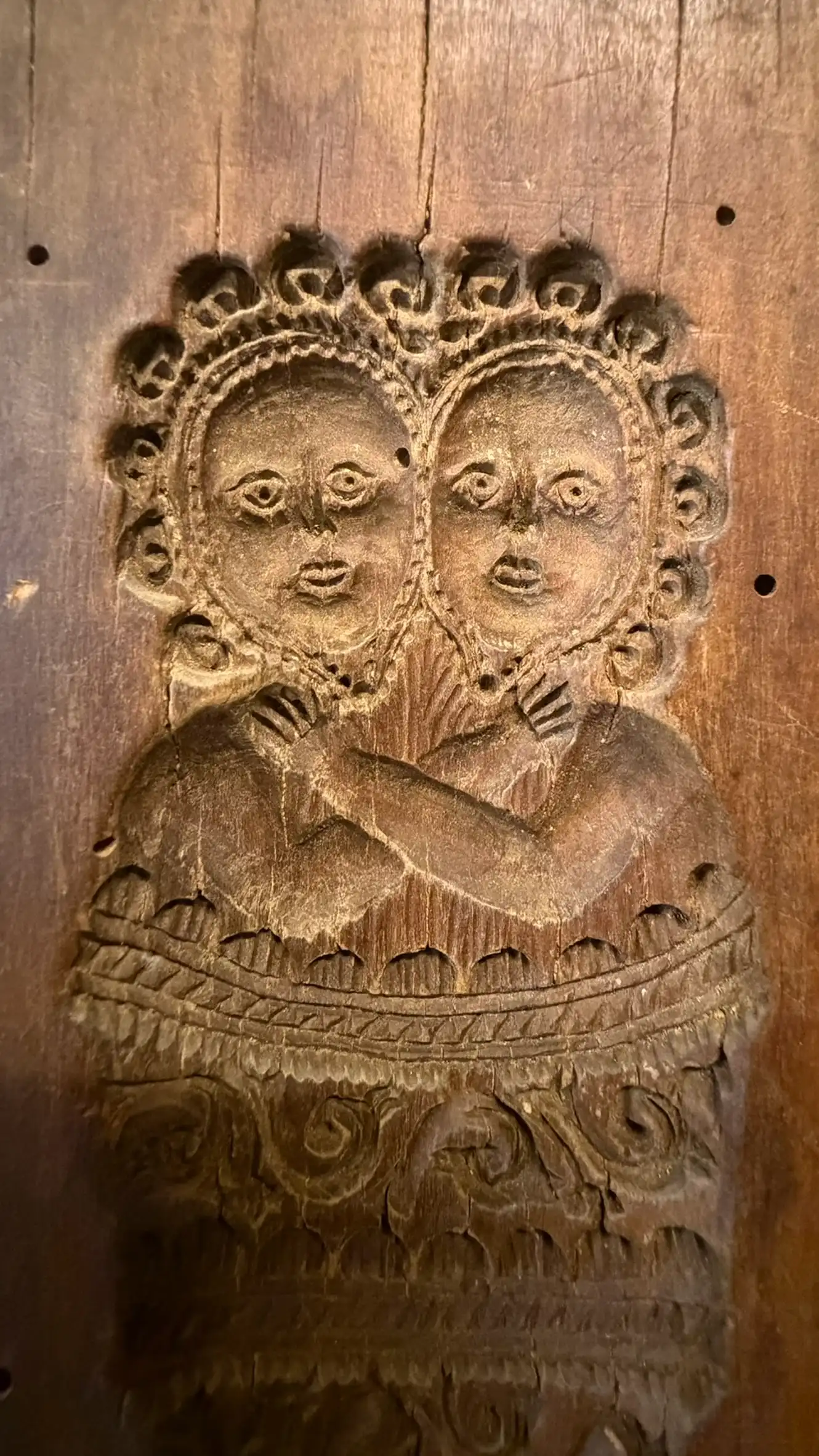
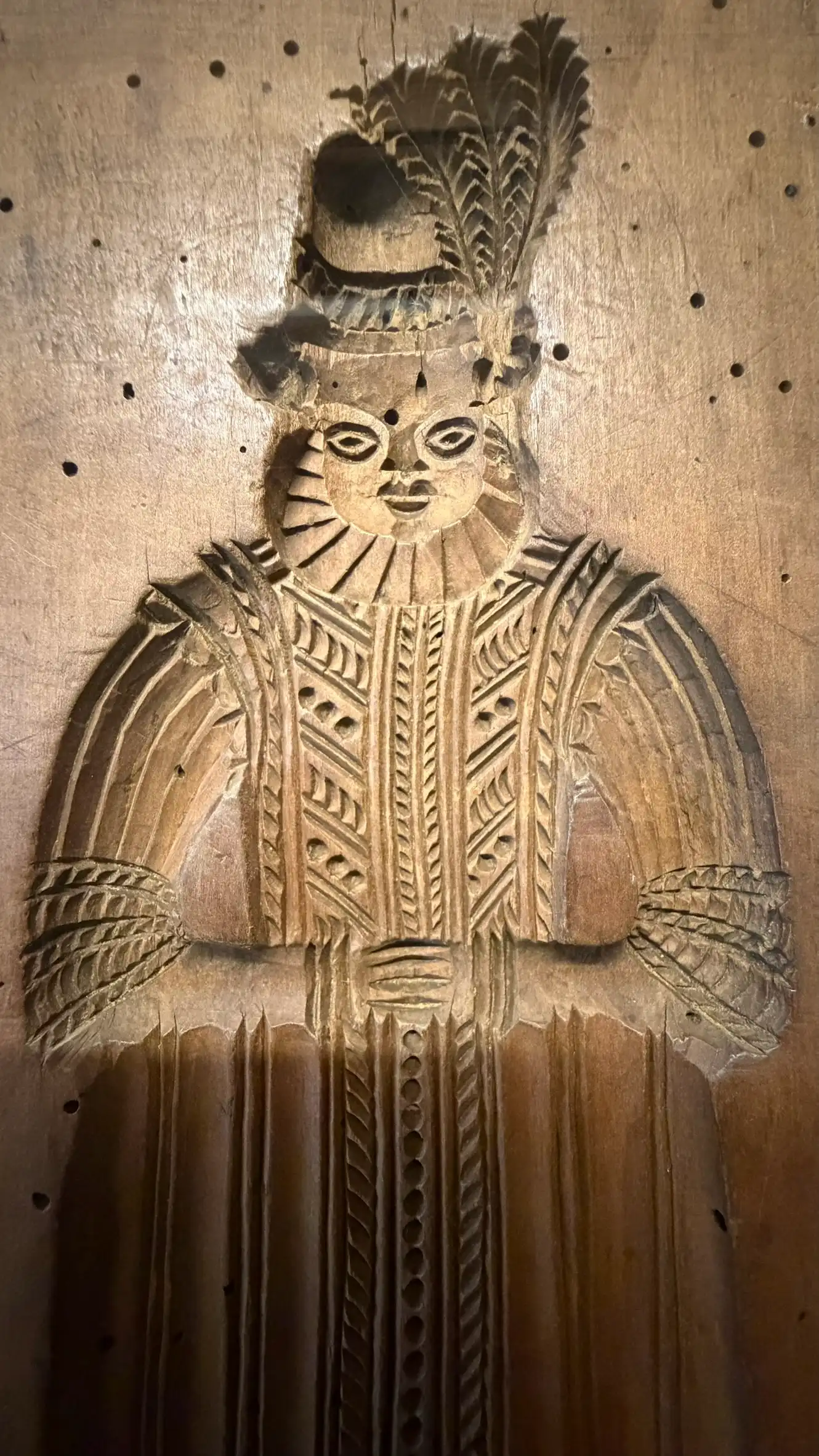
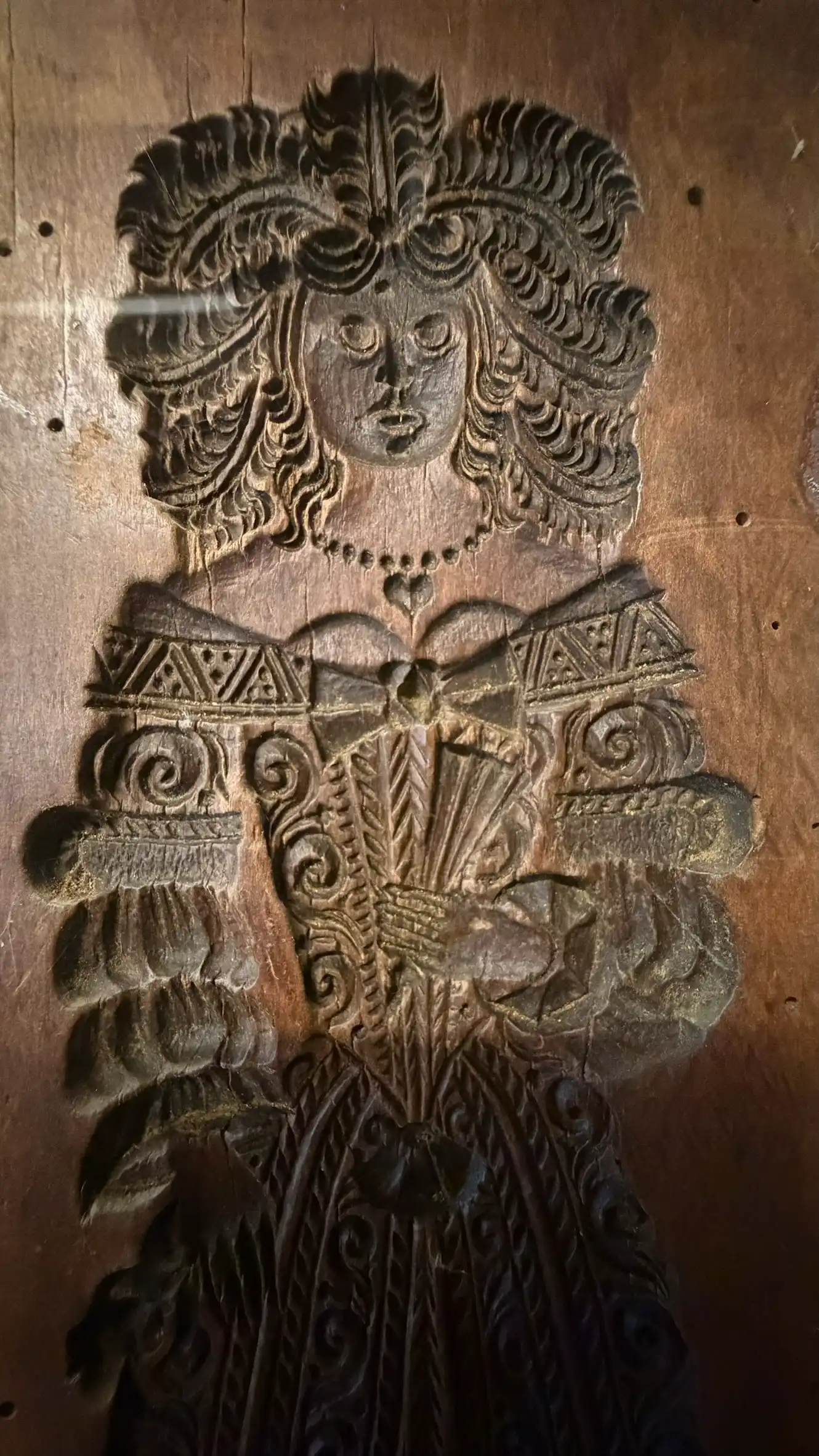
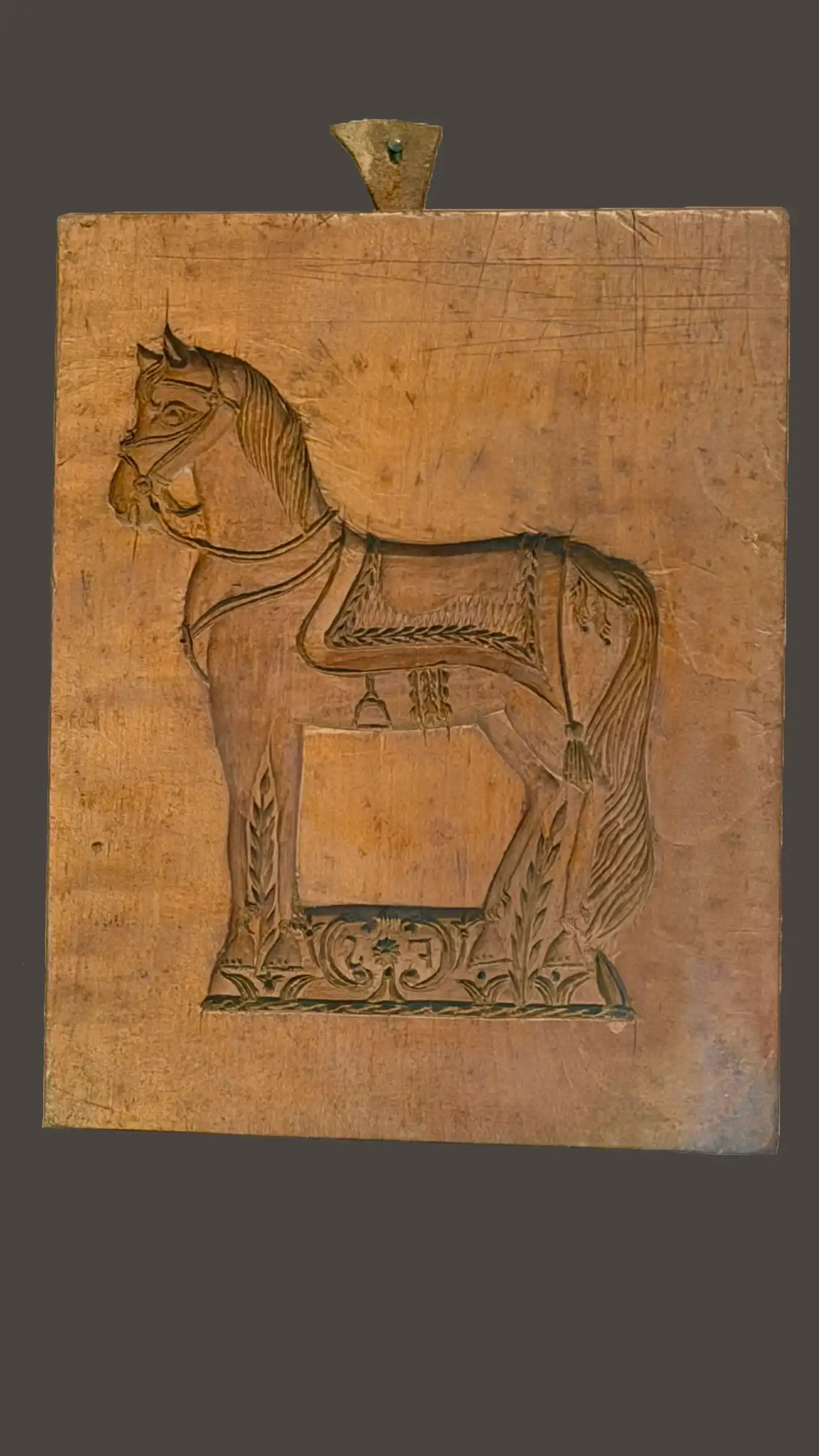
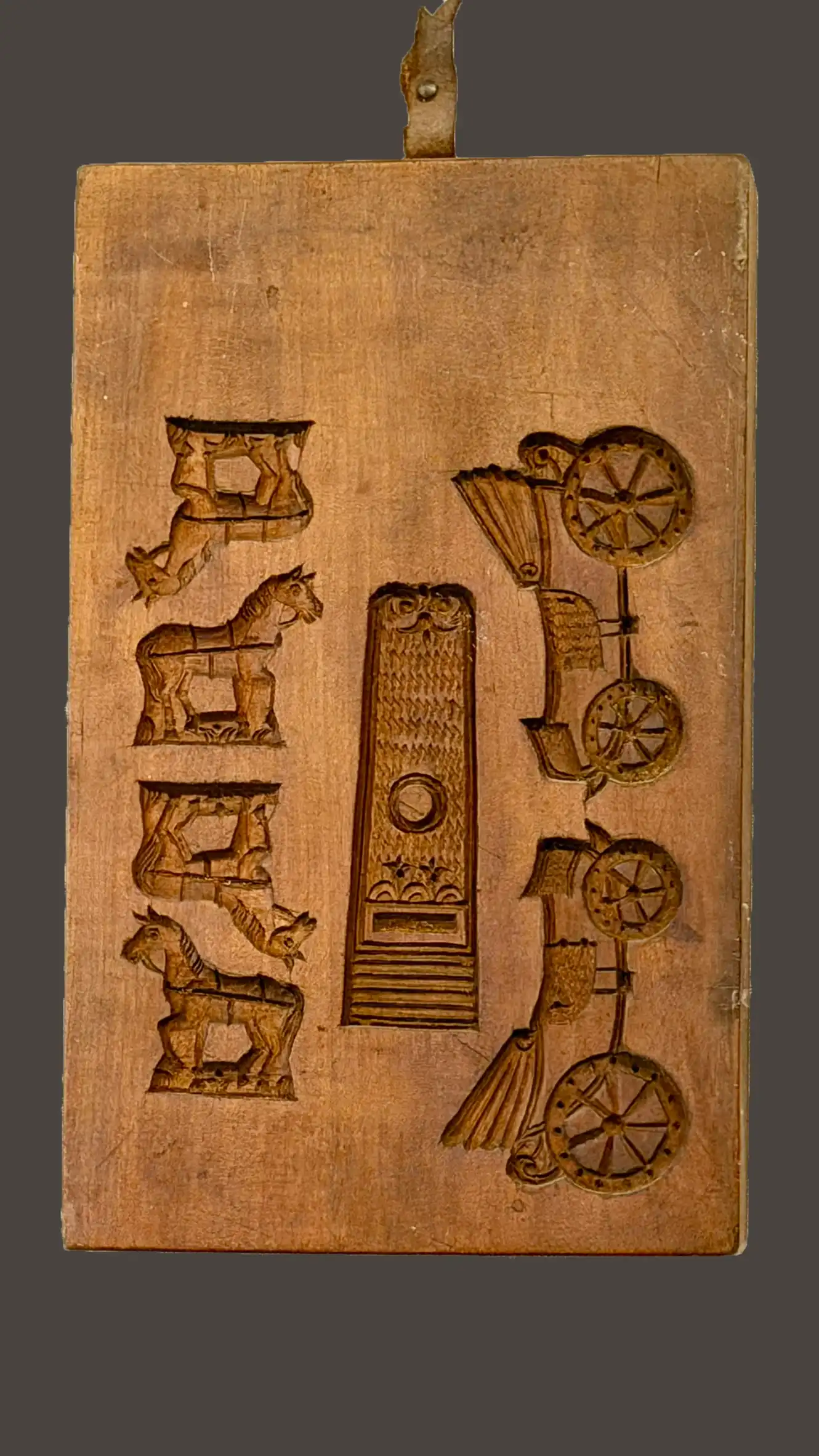
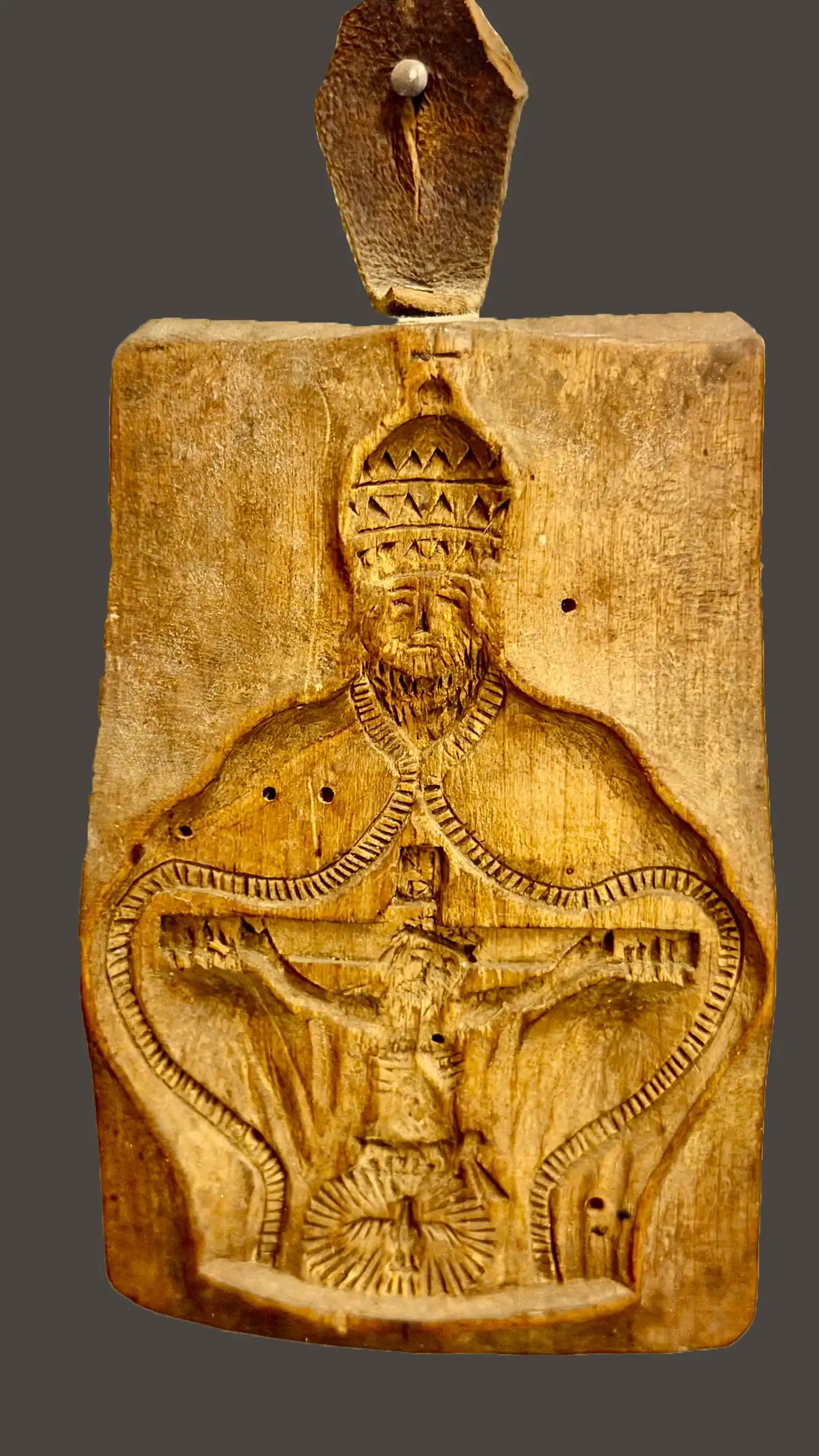
Wooden moulds with recessed forms were used for various purposes. They were used for pressing wax and stoneware appliqués, for bakeries of all kinds, and as butter moulds. They were often carved on both sides.
In the past, moulds also served the function of simple pictorial communication of events of all kinds.
The moulds on display come from the Alpine region and date from the 16th to the 19th century.
Relief Wooden Moulds
(Raised Design Moulds, Positive Moulds)
Definition
A relief mould had a raised design carved on its surface. When it was pressed into a soft material, the raised parts pushed into the material and created a recessed or indented impression.
How The Mould Worked
– The mould carried the design in positive form (raised).
– When it was pressed into wax or clay, it produced a negative impression.
– The stamped result appeared sunken into the surface.
Typical Materials Used
– Wax (seals, devotional objects)
– Clay (tiles, pottery decoration)
– Leather (bookbinding, belts)
– Soft plaster or lime mortar
Examples
– Decorative pottery stamps
– Leather bookbinding stamps
– Tile and brick ornament stamps
Recessed Wooden Moulds
(Negative Moulds)
Definition
A recessed mould had the design carved into the wood as a hollow or cavity. Soft material was pressed into the mould, filled the cavity, and formed a raised design when the object was removed.
How The Mould Worked
– The mould contained the design in negative form.
– Clay, wax, or plaster filled the carved recess.
– The finished object showed the design in raised relief.
Typical Materials Used
– Clay (tiles, stove tiles, ceramics)
– Wax (small devotional objects, seals)
– Plaster or gesso ornament
Examples
– Ceramic tile moulds
– Stove tile moulds
– Decorative plaster ornament moulds
Use Across Historical Periods
Romanesque (c. 1000–1200)
Relief Wooden Moulds
Craftsmen used simple geometric stamps on pottery and bricks. They also used them for leather decoration and wax seals.
Recessed Wooden Moulds
Craftsmen used these moulds to form clay ornaments and early architectural tiles. Designs tended to be bold and simple.
Gothic (c. 1200–1500)
Relief Wooden Moulds
Artisans widely used stamps to create decorative patterns in leather bookbindings and on pottery surfaces.
Recessed Wooden Moulds
These moulds played an important role in producing relief stove tiles, architectural ceramics, and devotional clay plaques with raised figures.
Renaissance (c. 1500–1600)
Relief Wooden Moulds
Stamps showed classical motifs such as rosettes, foliage, and geometric borders.
Recessed Wooden Moulds
Craftsmen used highly refined moulds to produce ceramic plaques, stove tiles, and decorative architectural elements.
Baroque (c. 1600–1750)
Relief Wooden Moulds
Artisans used stamps to repeat ornamental motifs on leather, pottery, and wax.
Recessed Wooden Moulds
Craftsmen created complex moulds for elaborate ceramic and plaster ornaments with deep sculptural relief.
Relief Mould
The design was raised on the mould, and the impression became sunken.
Recessed Mould
The design was carved into the mould, and the produced object became raised.