Penance Belt
(German: Bussgürtel)
Reading Time: 1:00 min
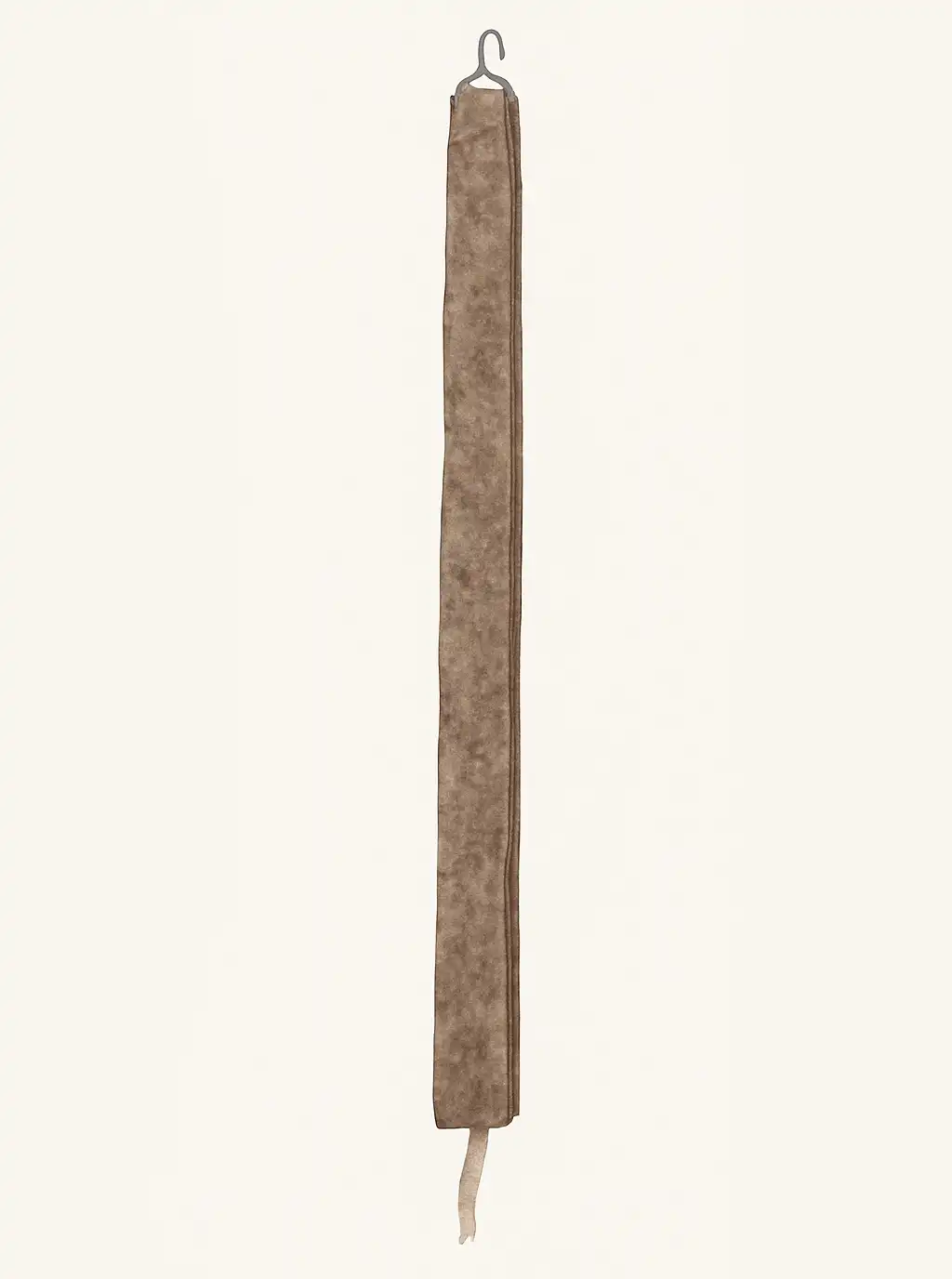
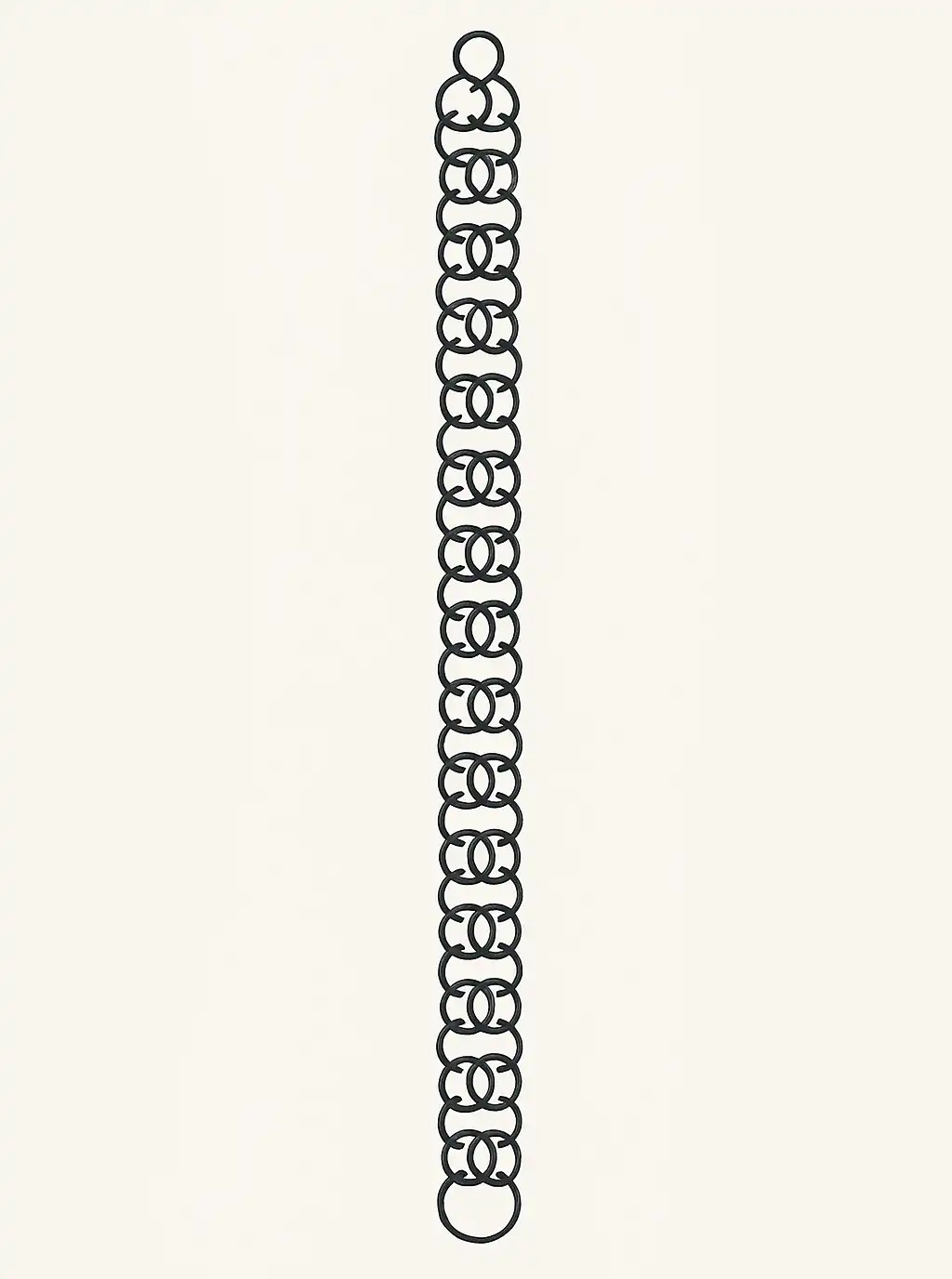
A penance belt is a band made of leather, cloth, or metal that was worn around the body as a sign of repentance. It reminded the wearer of their sins and their wish to live a better and more faithful life.
History
From the medieval period to the early modern era, acts of penance were part of daily religious life in Catholic Europe. In Carinthia, the use of the Bussgürtel was known among monks, priests, and members of lay devotional communities. Wearing the belt was seen as a way to imitate Christ’s suffering and to seek forgiveness through humility and self-control.
Material
Most penance belts were simple in form. They were usually made from leather or coarse fabric, though some examples were crafted from metal rings or chains. Certain types had small spikes or studs that caused mild discomfort, symbolising inner remorse and spiritual discipline.
Purpose and Use
The penance belt was not worn constantly, but during prayer, fasting, or particular times of penance. It served both as a private tool for reflection and, at times, as a visible sign of repentance within the community. Through such practices, believers hoped to strengthen their faith and renew their relationship with God.
Modern Significance
Today, penance belts are no longer used in ordinary church life. However, examples preserved in Carinthian museums and church treasuries recall a period when faith was closely linked to physical expressions of devotion. They invite reflection on how earlier generations understood sin, forgiveness, and spiritual discipline.