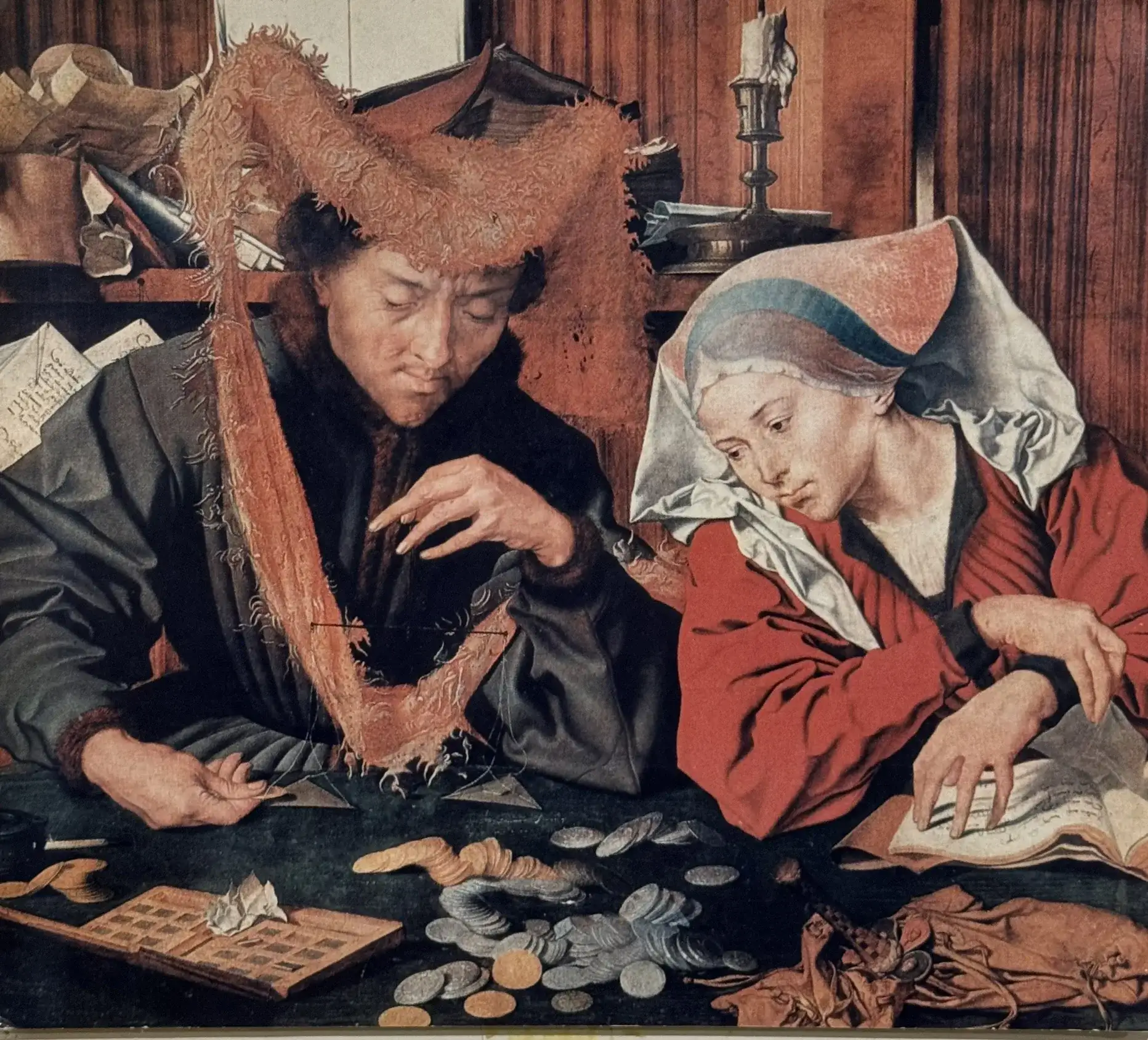
The Role of a Mint Master in Friesach
Reading Time: 1:10 min
A Prestigious Profession
In the 12th and 13th centuries CE, the role of a mint master in Friesach was a crucial one, particularly as the town became an important centre for silver mining and coin production.
The mint master was responsible for overseeing the entire process of coin minting.
He had to ensure that the coins produced were of high quality and met the required standards for weight, purity, and design.
The position of a mint master was very prestigious. He played an important role by ensuring that its coinage was both reliable and respected.
Duties
The mint master’s primary duty was to manage the mint itself, a facility where raw silver was transformed into coins for circulation.
This process involved several steps, including the extraction of the silver from local mines, refining it to remove impurities, and then casting it into the proper shape and weight. The mint master supervised the work of the engravers, who designed the dies for stamping the coins, as well as the assayers, who tested the silver’s purity and ensured that the finished coins were consistent with the standards set by the authorities.
Another important responsibility of the mint master was to maintain the balance between supply and demand for currency. They had to ensure that enough coins were produced to meet the economic needs of the region, but not so many that the value of the coinage would be undermined by inflation.
The mint master recorded the amount of silver used and the number of coins minted, ensuring transparency and accountability.