

The Town Wall and Fortifications of Friesach
Reading Time: 1:05 min
The fortifications of Friesach once safeguarded the medieval town. The surviving town wall and its associated defences still stand as significant historical monuments.
The Earliest Fortifications
From the second decade of the 13th century, written sources record the existence of a defensive wall surrounding Friesach.
This simple ring wall, later extended by up to eighty metres, also enclosed the Dominican Monastery, the Geyersberg, and the Petersberg.
Periods of Conflict and Reconstruction
At the end of the 13th century, Friesach endured three major conquests and plunderings. During these violent episodes, the existing wall proved inadequate for protection.
Under the direction of Vicedom and Provost Geroid of St Bartimä, a comprehensive reconstruction and redesign of the fortifications was undertaken. This ambitious project established the basic layout that still defines the historical town today.
Present Town Wall and Fortifications
The present town wall was completed, at the latest, between 1292 and 1323, reusing parts of earlier structures.
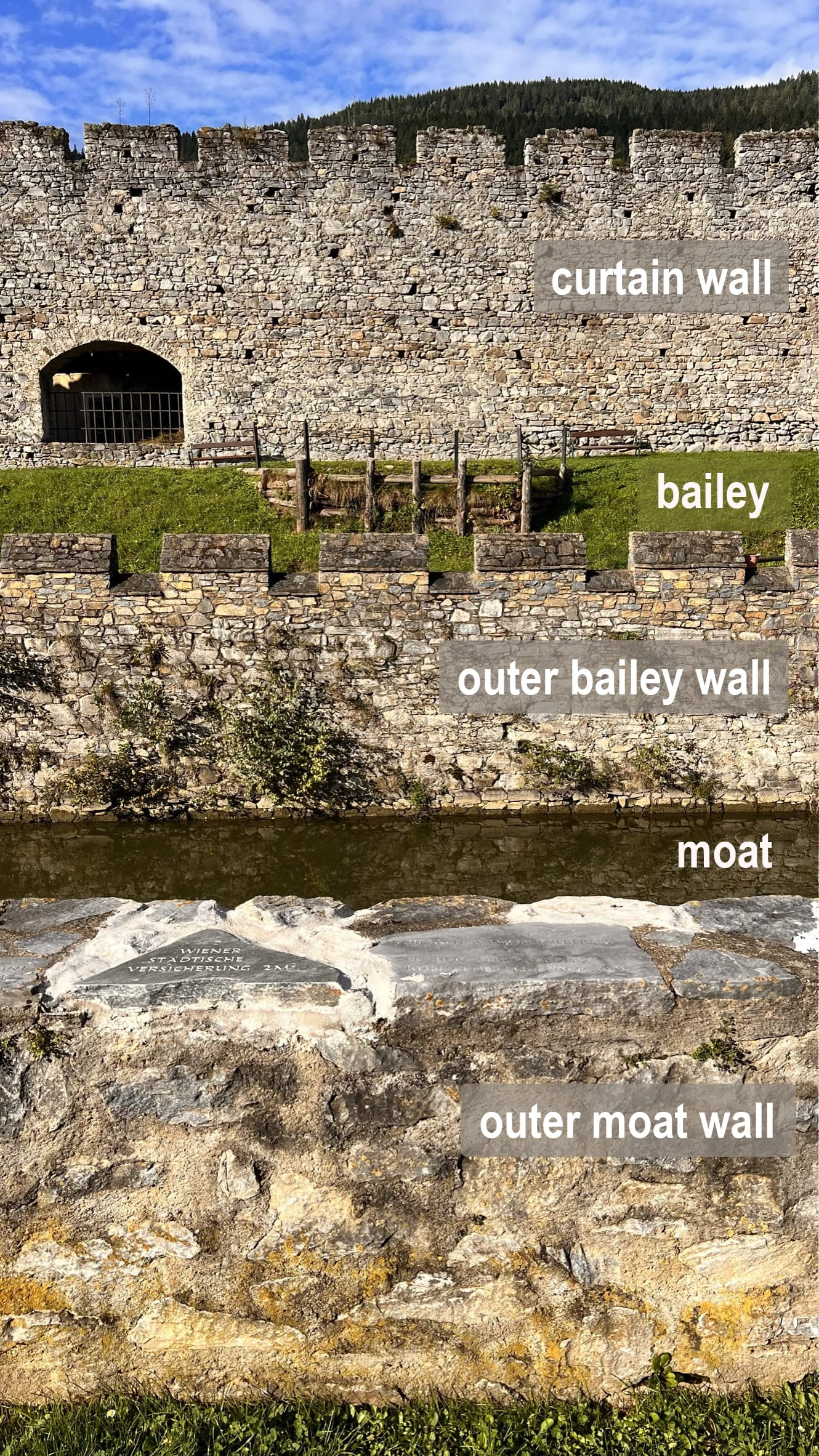
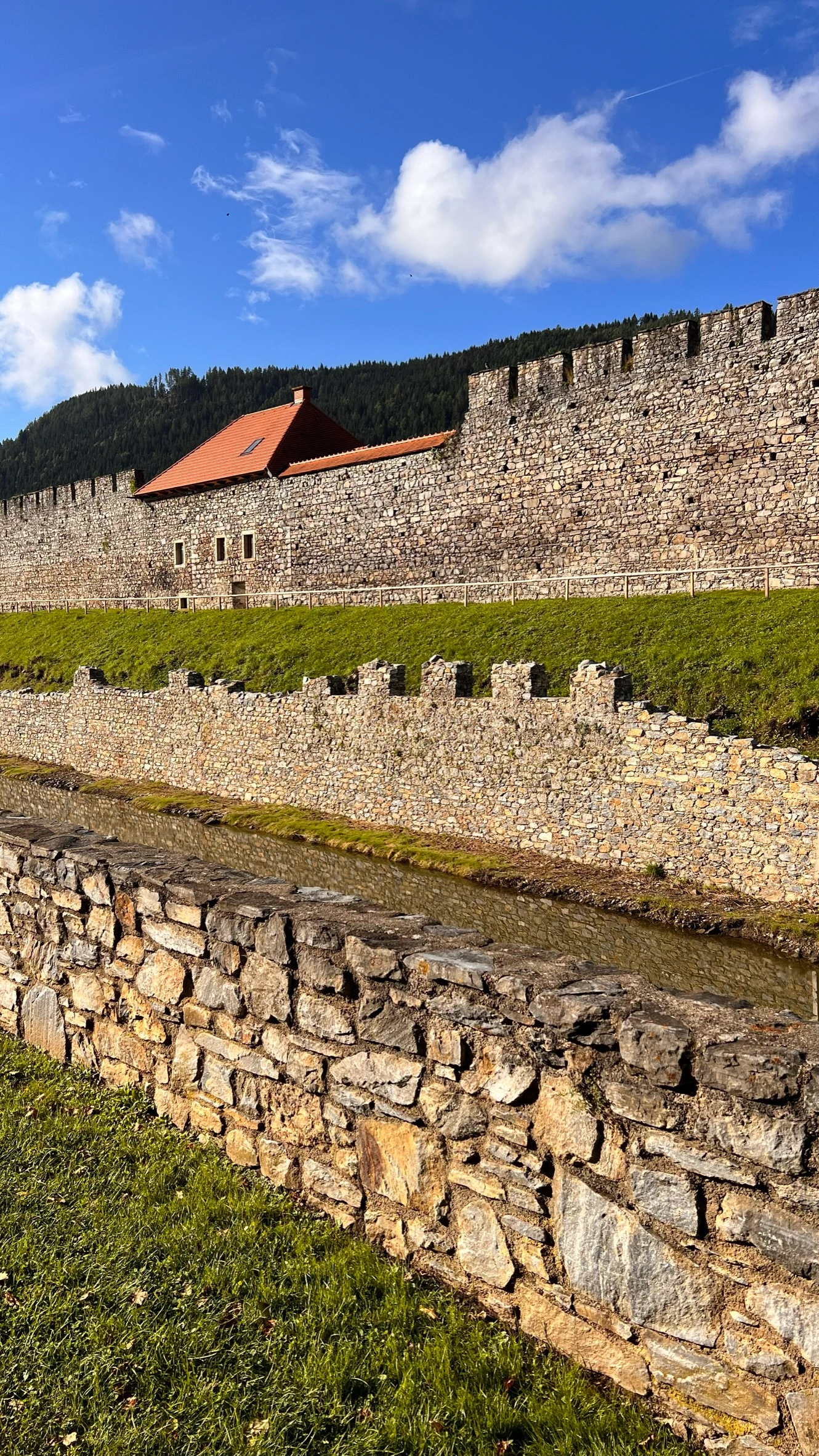
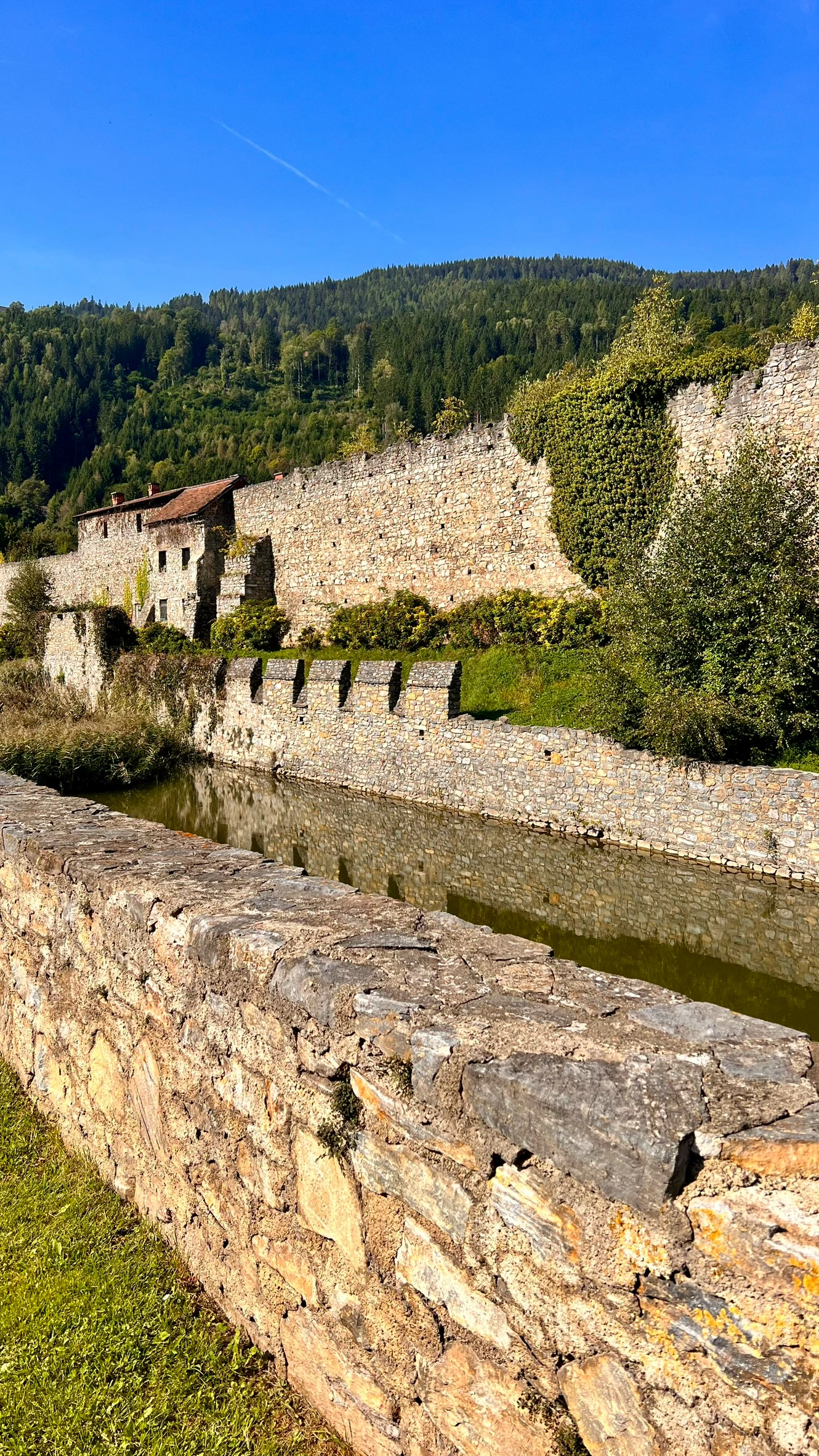
It consisted of a ring wall about ten to eleven metres high, an outer ward roughly nine metres wide, and a water-filled moat ranging from ten to fifteen metres in width.
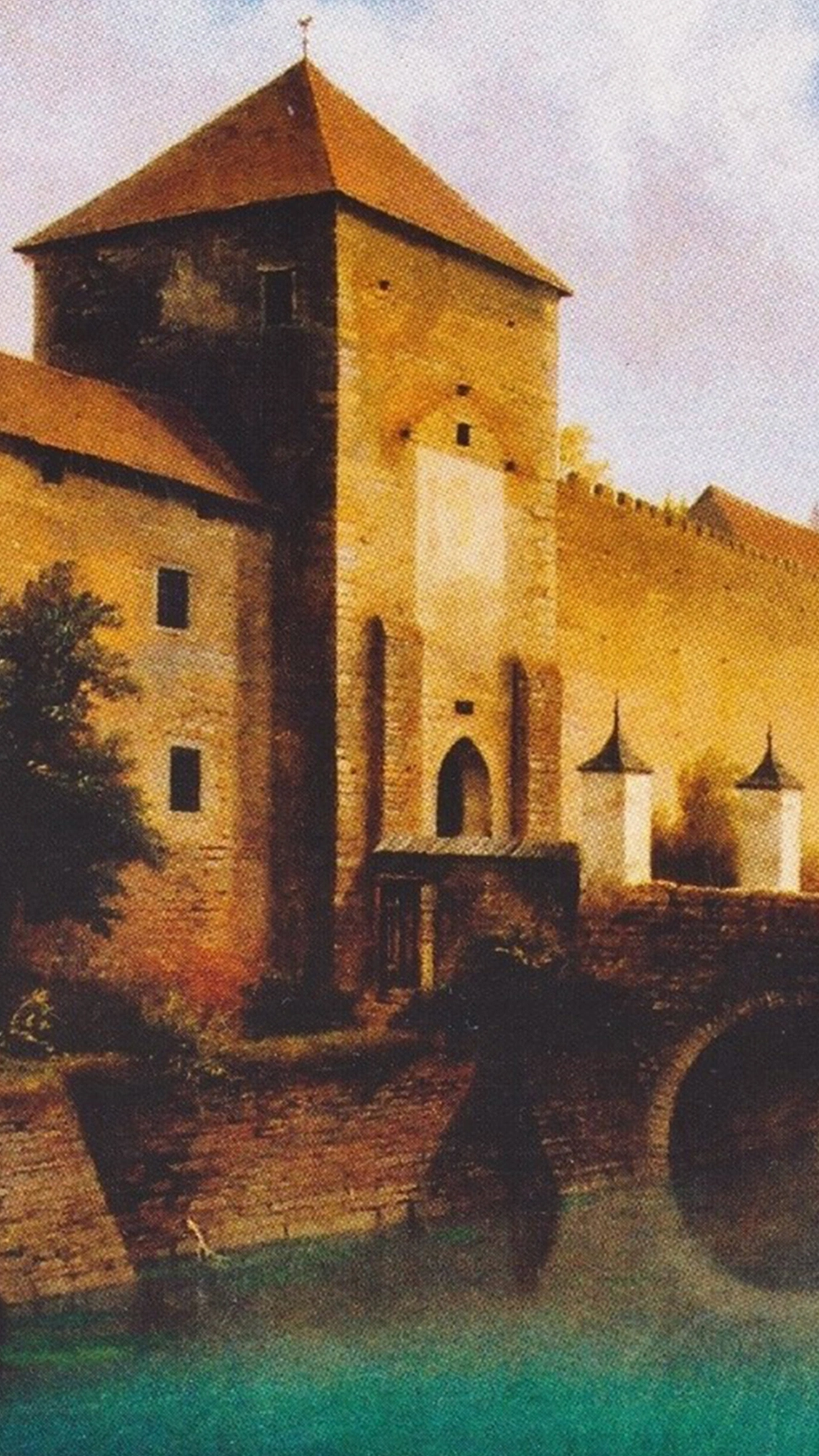
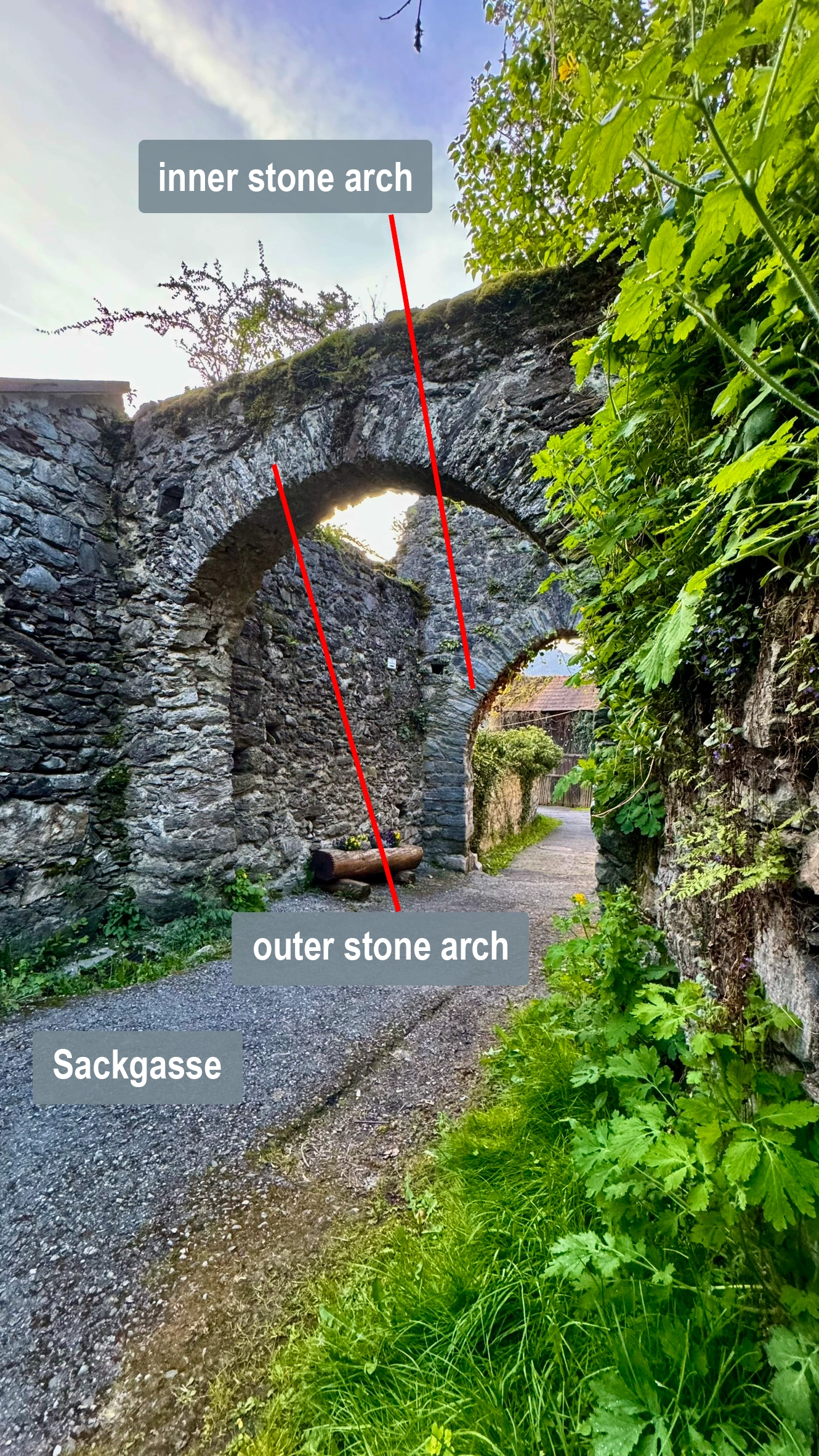
On the northern side, the defences were strengthened by the Rotturm complex, while access to the town was controlled through five fortified gates with gate towers: the Neumarkter Tor, the Olsator, the St Veiter Tor, the Heidentor, and the Sacktor.
Of these, the Sacktor is the only one to survive in part, offering a tangible reminder of Friesach’s formidable medieval fortifications.