Maximilian-Type Stirrups
Dated: Early 16th century CE
Reading Time: 1:30 min
Maximilian-type stirrups, developed in the late 15th and early 16th centuries, were an essential part of equestrian equipment, particularly associated with the Renaissance period and the reign of Holy Roman Emperor Maximilian I. These stirrups were designed for both functional and aesthetic purposes, reflecting the martial culture and artistic ideals of the time.
Appearance
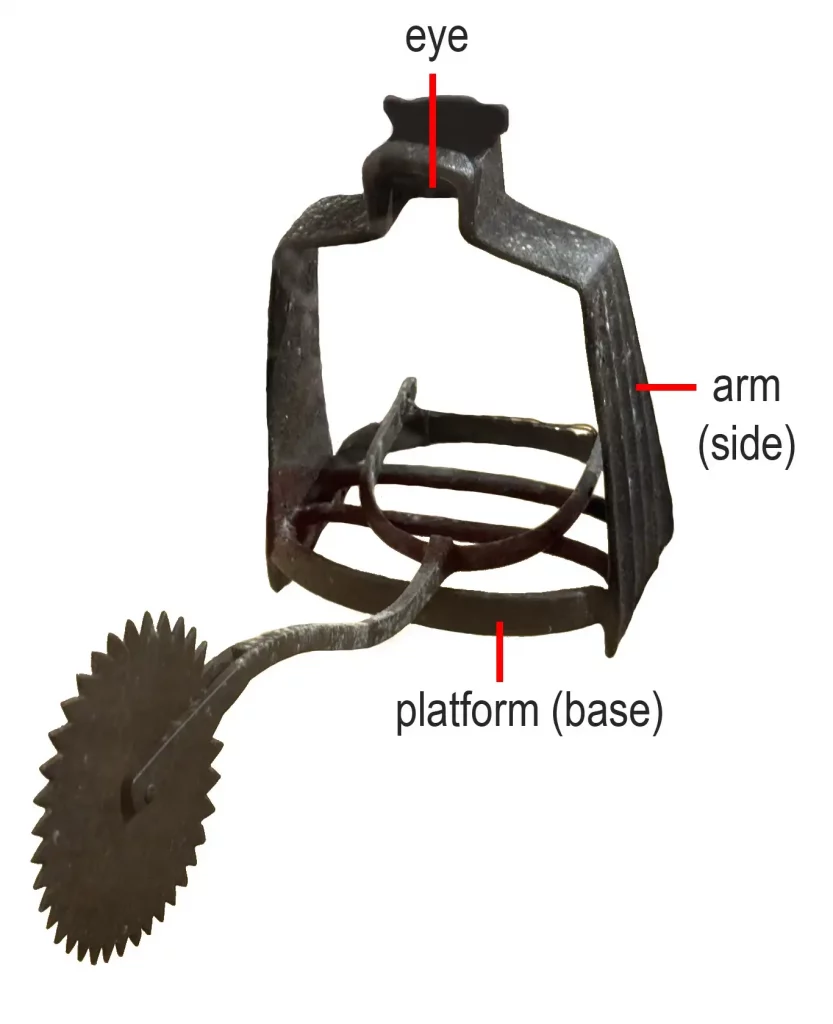
Maximilian-type stirrups were typically crafted from metal, often iron, and sometimes featured decorative elements made from brass or gilded finishes. The design of these stirrups was more ornate than earlier medieval types.
The footrest was broader and flatter, providing greater stability and comfort for the rider.
Functionality
The Maximilian stirrup was designed with both combat and comfort in mind.
Its broader footrest offered improved stability, crucial for mounted combat, jousting, and battle. The wider surface area allowed for the rider’s foot to be securely placed, which was especially important during high-speed cavalry charges or when holding a lance in jousting tournaments.
The stirrup also helped provide greater leverage and balance, which was important for manoeuvrability during combat. Additionally, the design catered to the growing importance of jousting as a competitive and ceremonial event, where stability and control were paramount.
Historical Context
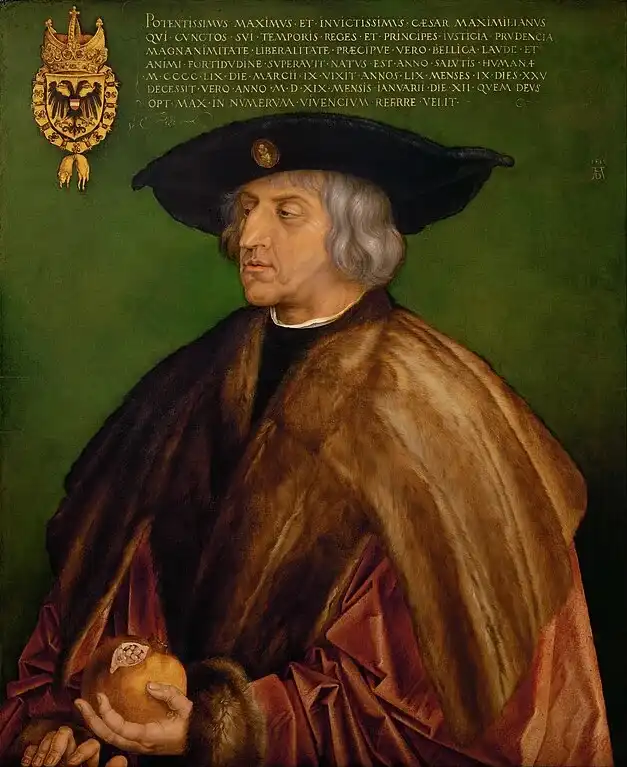
Maximilian I, who ruled from 1493 to 1519 CE, played a key role in the development of this style of stirrup. His reign saw a significant evolution in armour and equestrian equipment, reflecting a blend of function and artistic design. As a warrior emperor, Maximilian promoted ornate armour, weaponry, and ceremonial attire, including elaborately designed stirrups.
Maximilian-style stirrups were not just functional but also symbols of wealth and status. Nobles, knights, and royalty used them, often featuring personalised heraldic motifs.
Decline
As military tactics and equestrian practices evolved, the Maximilian stirrup gradually fell out of favour by the late 16th century. The need for heavy, decorative stirrups diminished as lighter, more efficient designs became more common with the changing nature of warfare.