Fresco Painting
Reading Time: 2:30 min
What is Fresco Painting?
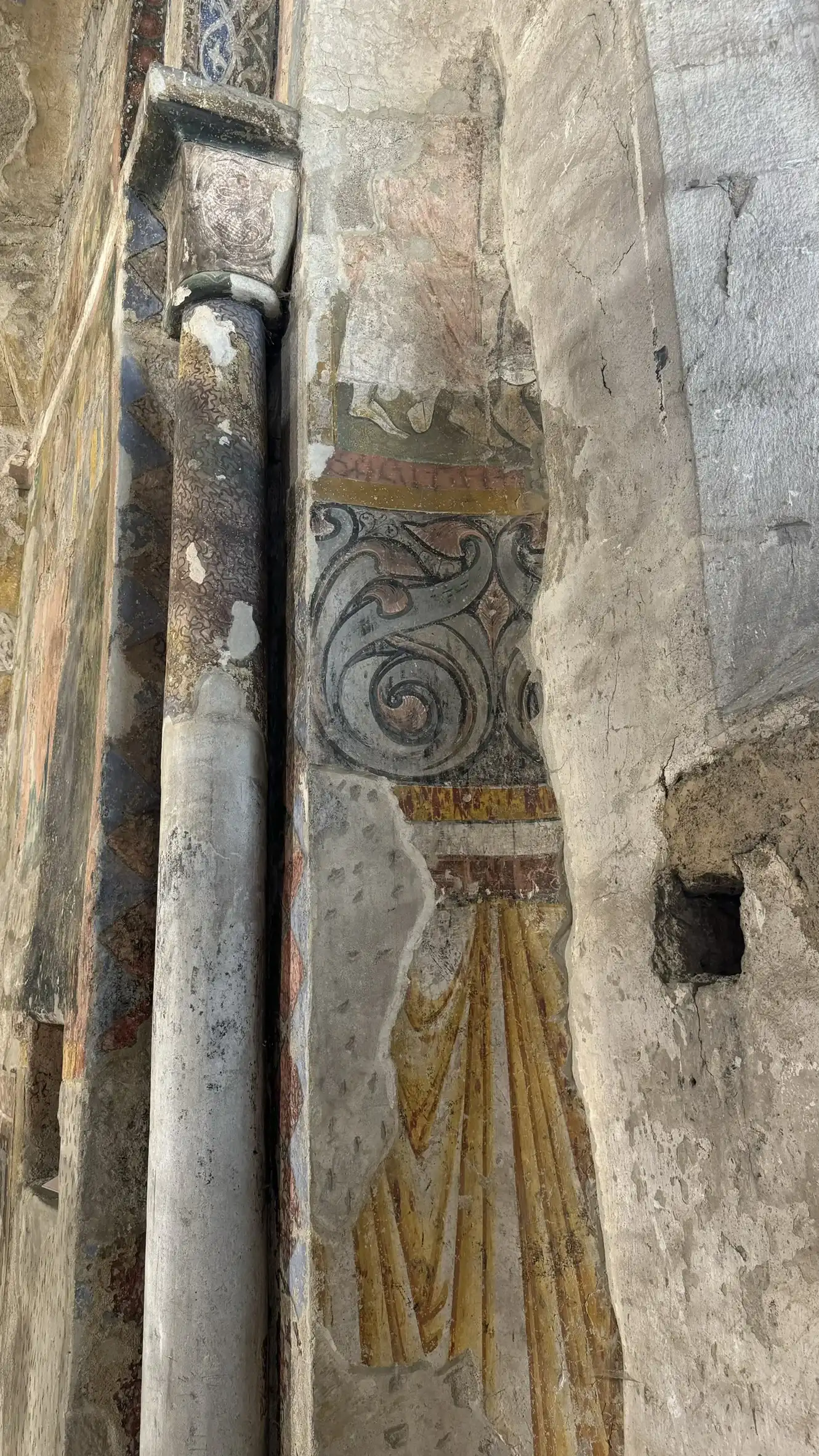
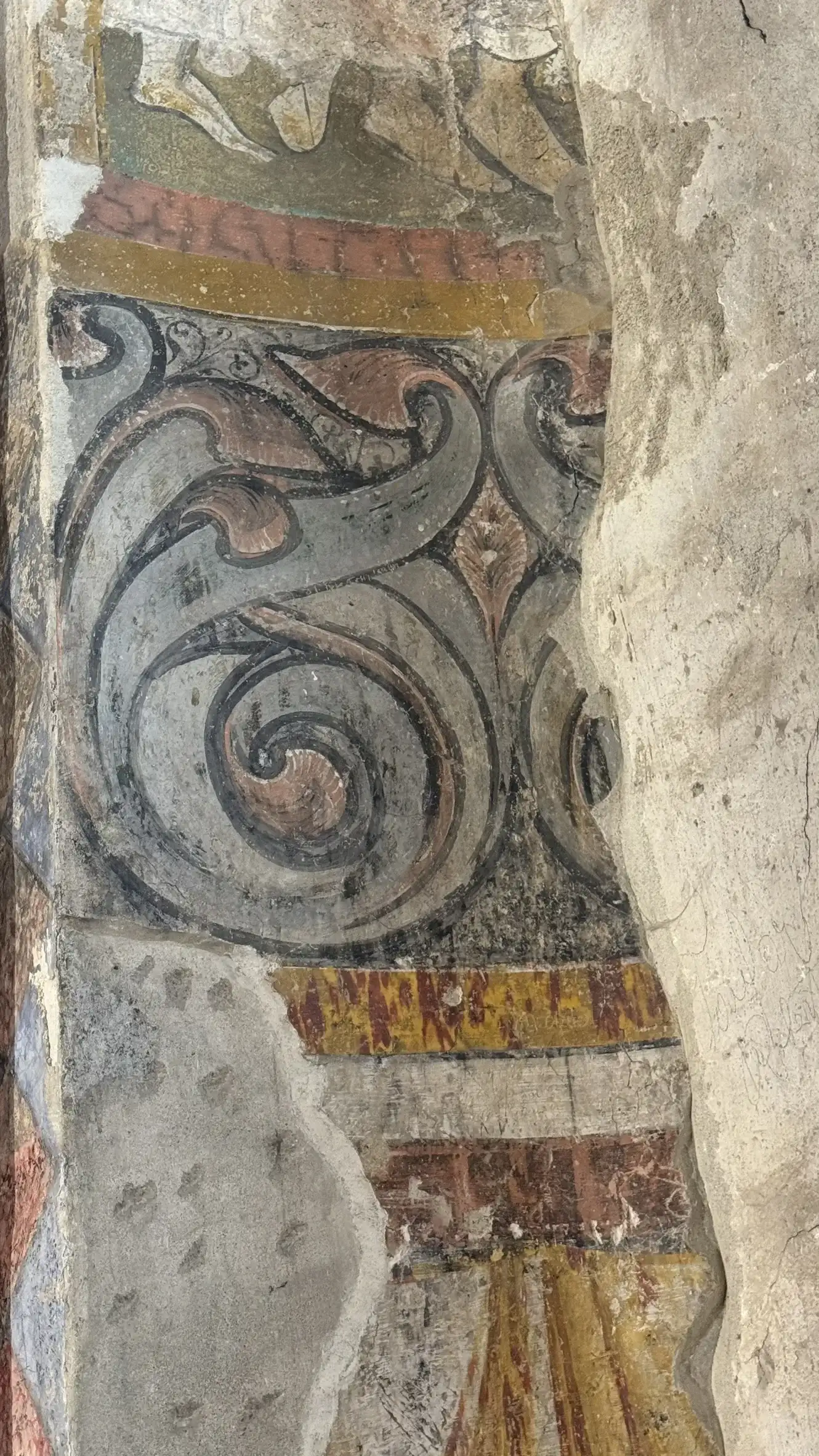
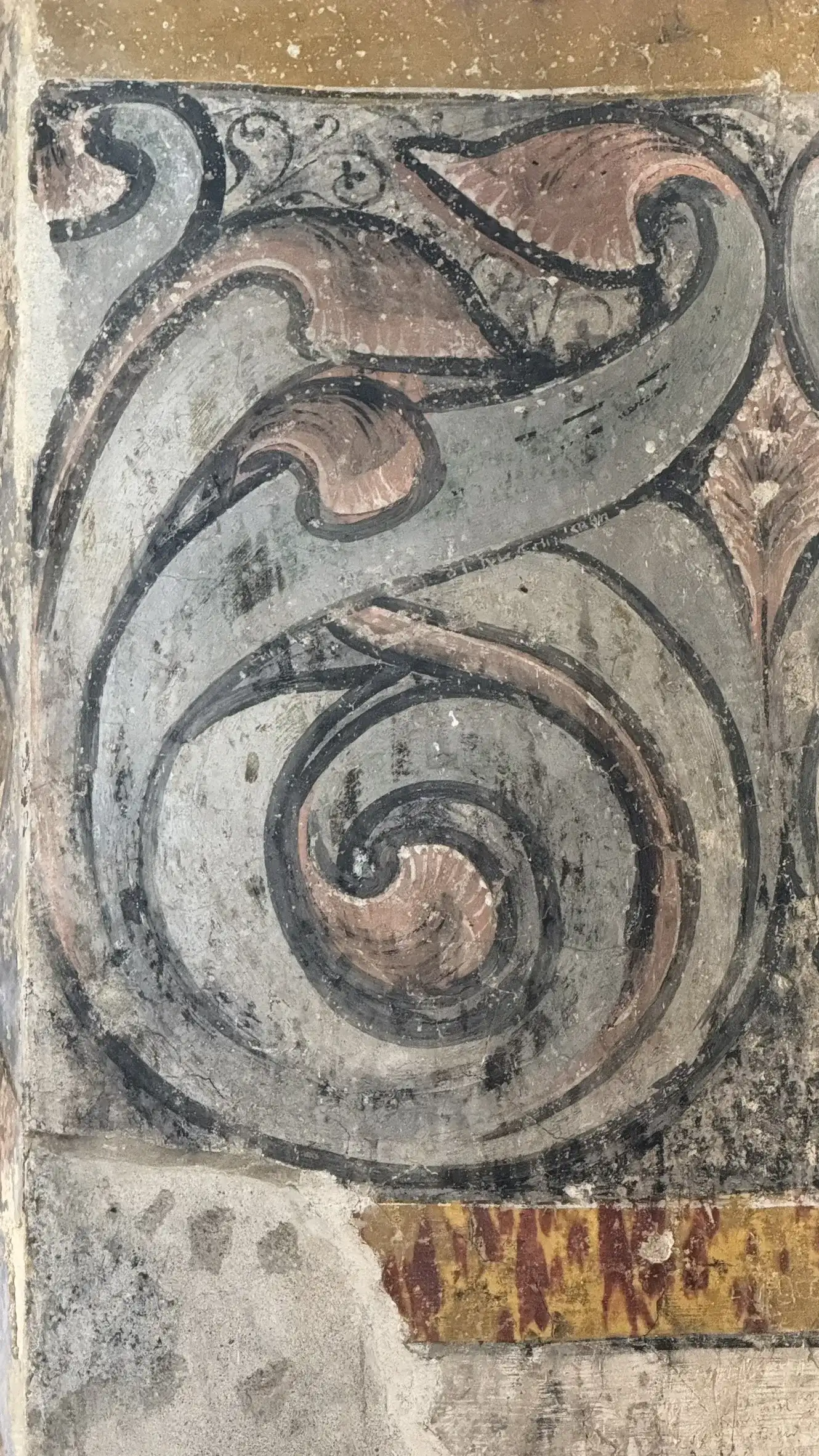
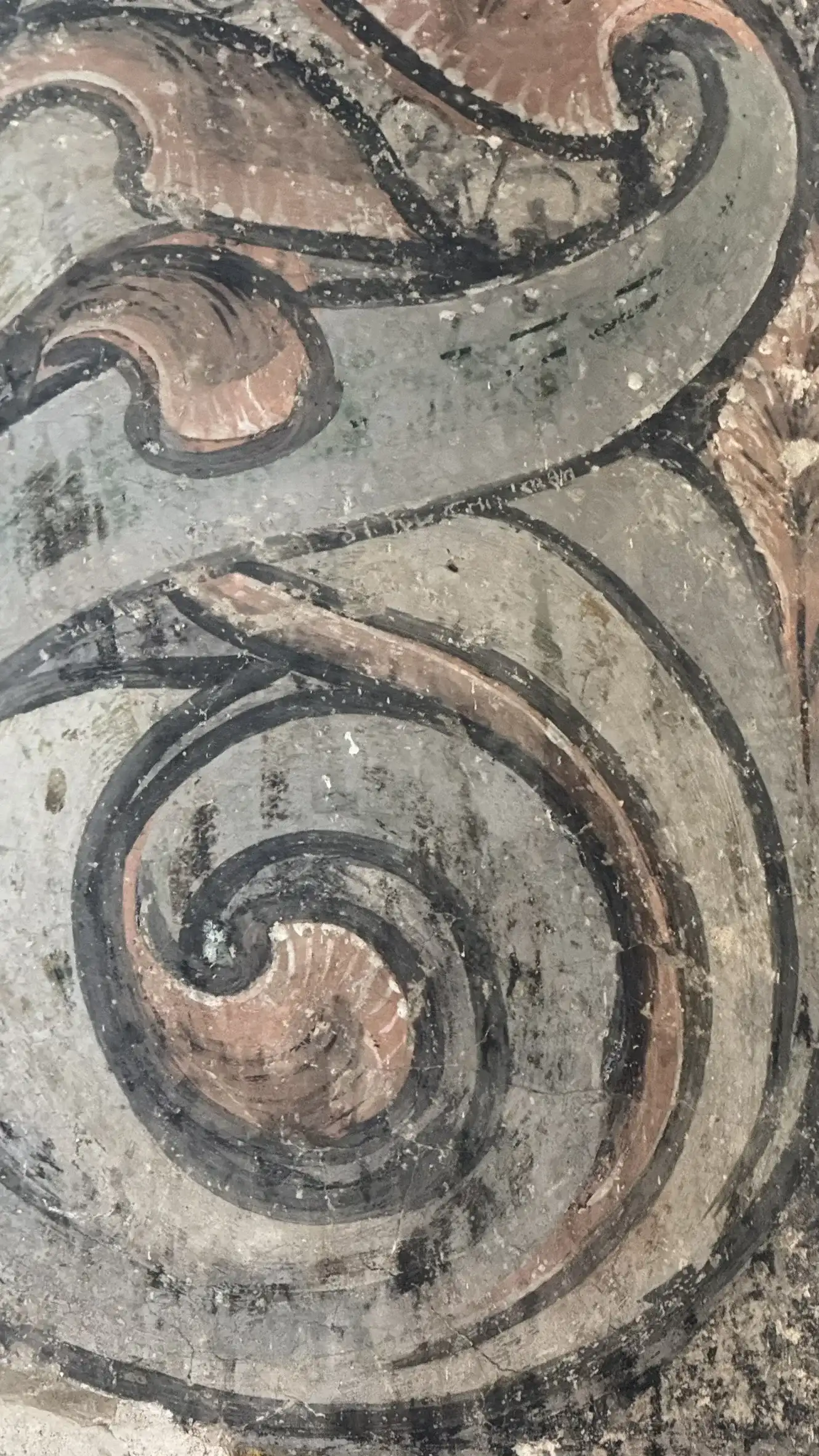
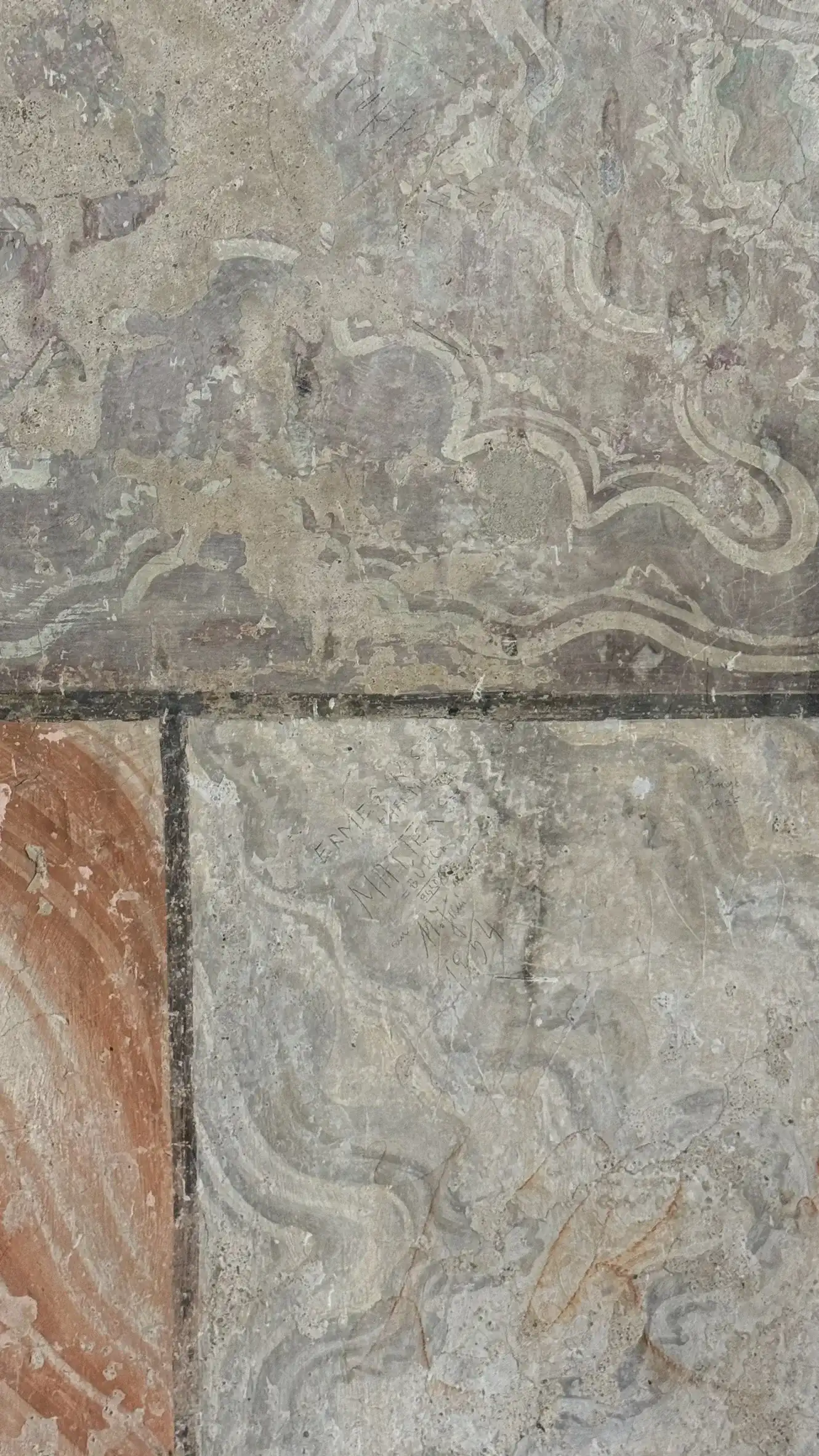
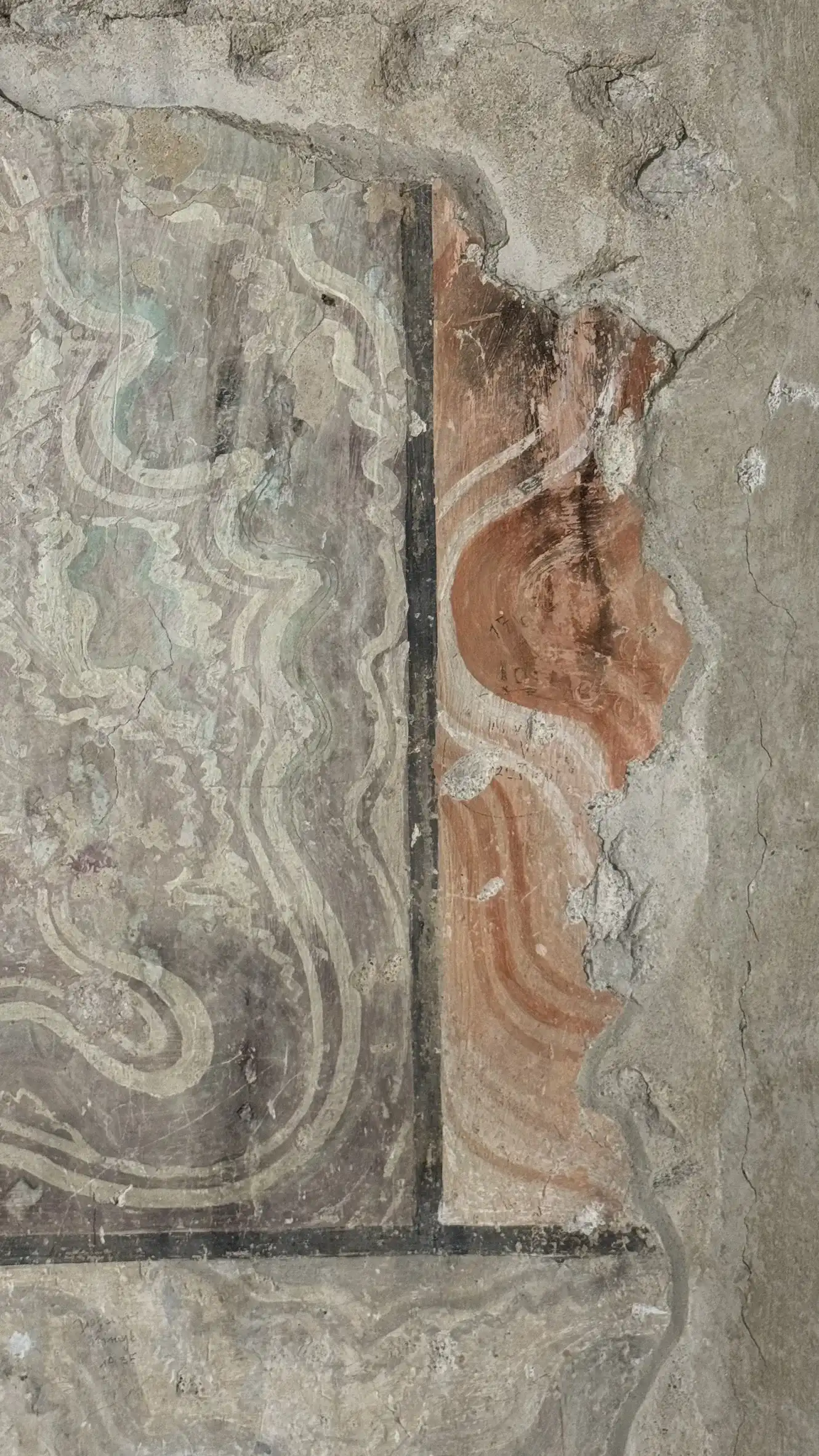
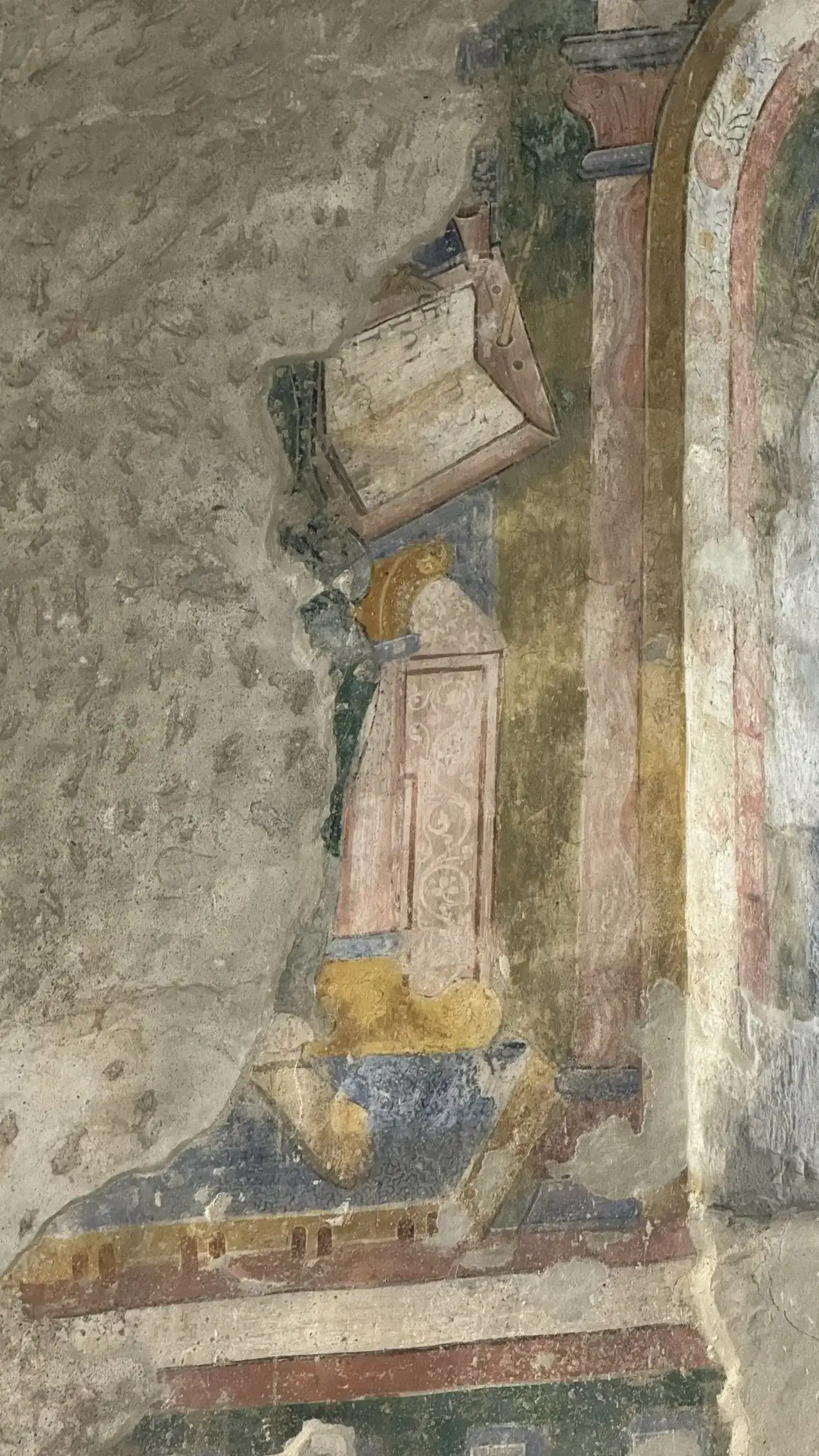
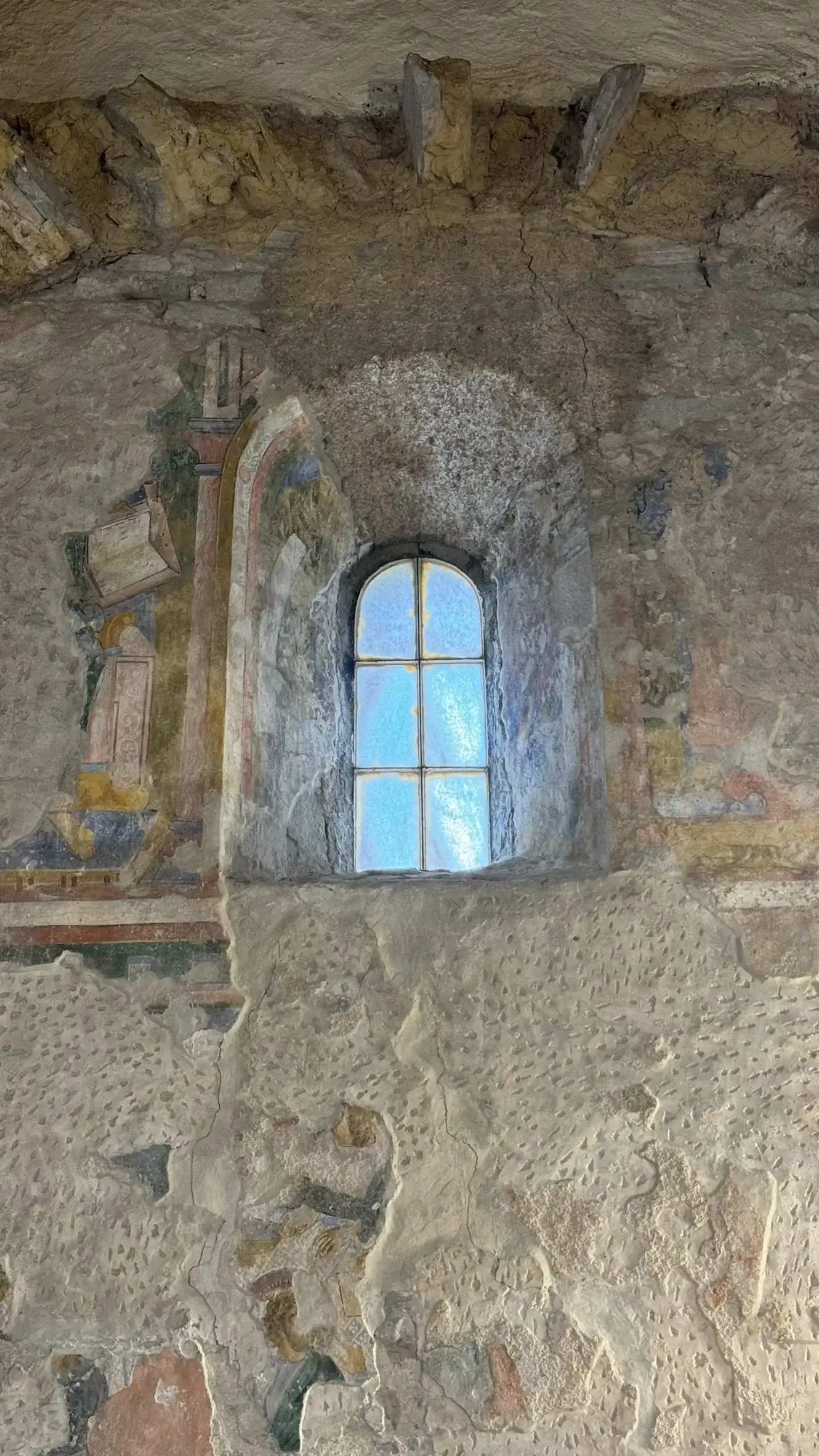
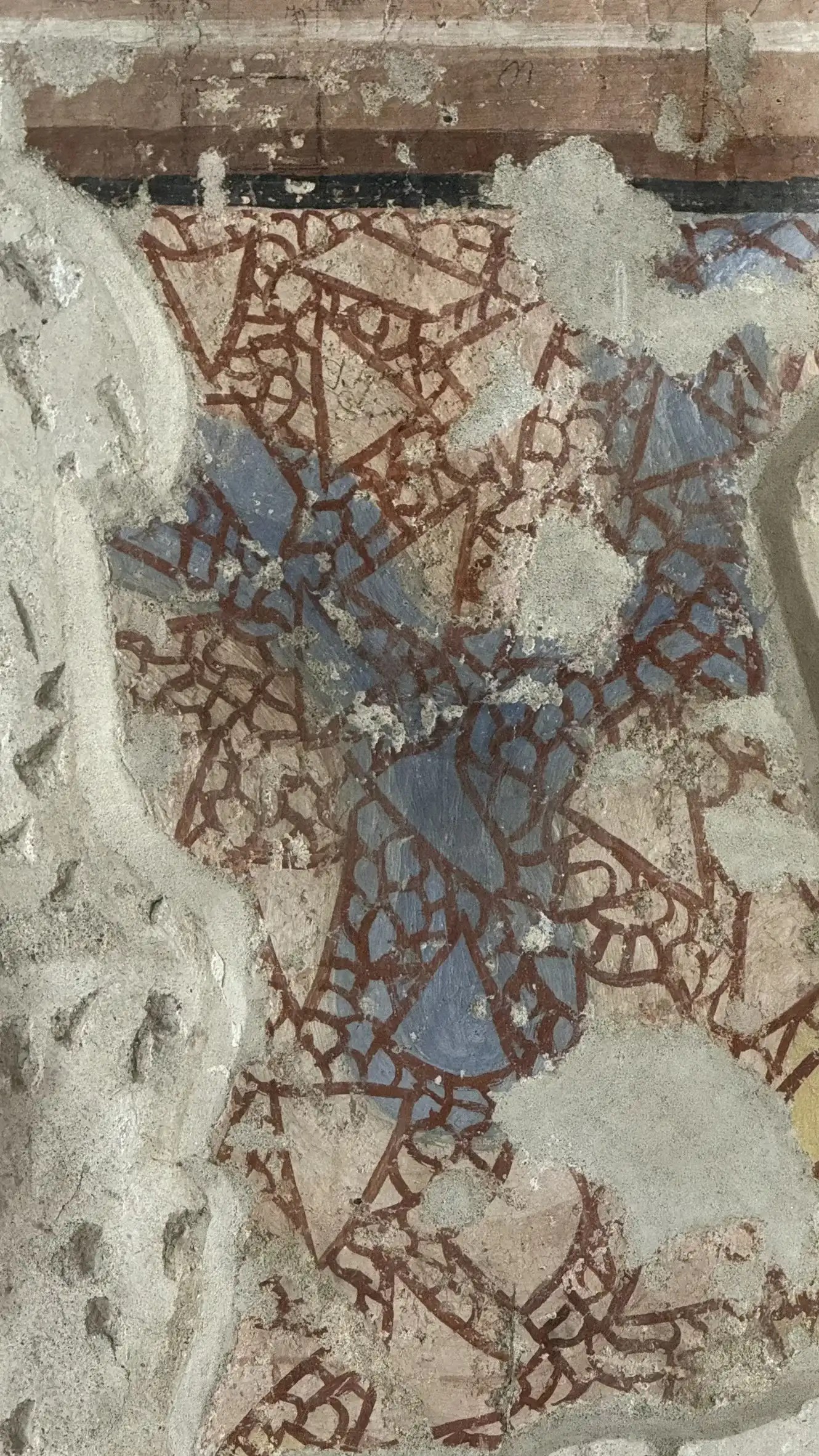
Fresco is a painting technique that involves the application of pigments mixed with water onto a layer of wet plaster. The word “fresco” comes from the Italian word for “fresh”. The fresco painting must be done quickly before the plaster dries. This method allows the pigments to become embedded in the plaster, creating a durable and long-lasting work of art. Fresco techniques have been used for centuries to decorate walls and ceilings in churches, palaces, and other buildings.
History of Fresco Painting
The origins of fresco painting can be traced back to ancient Egypt, where artists used a similar technique to decorate the walls of tombs and temples. However, it was the ancient Romans who perfected the art of fresco painting, using it to create elaborate murals in their villas and public buildings. Fresco painting reached its peak during the Renaissance, with artists like Michelangelo, Raphael, and Leonardo da Vinci using the technique to create some of the most iconic works of art in history.
Types of Frescoes
There are three common types of frescoes: buon, secco, and mezzo.
- To create a buon (“true”) fresco, an artist paints directly onto freshly mixed wet plaster on the surface of a wall or ceiling. Due to the natural adhesive properties of the wet intonaco, the pigment does not need a binding medium; instead, it can simply be mixed with water. As the plaster dries, the pigment is absorbed into the surface. The drying time of the plaster is very important for the fresco artist. Therefore, for each day of work, the artist prepares only enough wet plaster (intonaco) that can be painted in a single day.
- On the other hand, a secco (“dry”) fresco is painted onto a dry plaster. To make the paint stick to the plaster, the pigments must be mixed with a binding medium, such as a glue adhesive or egg yolk. This technique is often used on buon frescoes to touch up or add details. The colouration of secco frescoes is generally less vibrant than buon frescoes.
- A mezzo (“medium”) fresco is painted onto a nearly dry plaster The pigment is mixed with limewater to create a stronger bond between the plaster and the pigment. This technique helps to increase the amount of time the painter is able to work in a single day. Thus, larger areas of the surface can be covered with frescoes. During the Renaissance, this type of fresco became widely used, eventually surpassing buon fresco in popularity.
Materials and Tools for Fresco
The materials and tools needed for fresco painting are relatively simple and inexpensive. The most important material is lime plaster, which is made by mixing lime, sand, and water. Other materials include natural earth pigments, brushes or trowels for applying the paint. In addition, artists may use a variety of tools, such as sponges, spatulas, and stencils, to create different textures and effects in their fresco paintings.
Techniques for Creating Fresco
Creating a fresco painting requires a careful and methodical approach. The first step is to prepare the wall or surface by applying several layers of lime plaster. The artist can begin painting by applying pigments mixed with water onto the surface of the damp plaster. The artist must work quickly and efficiently, as the painting must be completed before the plaster dries. Once the painting is finished, the plaster will slowly absorb the pigments, creating a vibrant and long-lasting work of art.
Image Gallery