Ecclesiastical Art | Paintings and Sculptures
Reading Time: 1:30 min
Ecclesiastical art refers to art that is created for use in religious settings, particularly within Christian traditions. This type of art is focused on religious themes, such as the lives of saints, biblical scenes, and depictions of Christ. It is commonly found in churches, monasteries, and other places of worship.
During the Middle Ages in Carinthia, ecclesiastical art was closely linked to the church and played a key role in both religious life and community identity. Much of the art was created for church interiors, altars, and religious objects, and it often aimed to educate the largely illiterate population about Christian teachings.
Some key features of ecclesiastical art in Carinthia during the Middle Ages include:
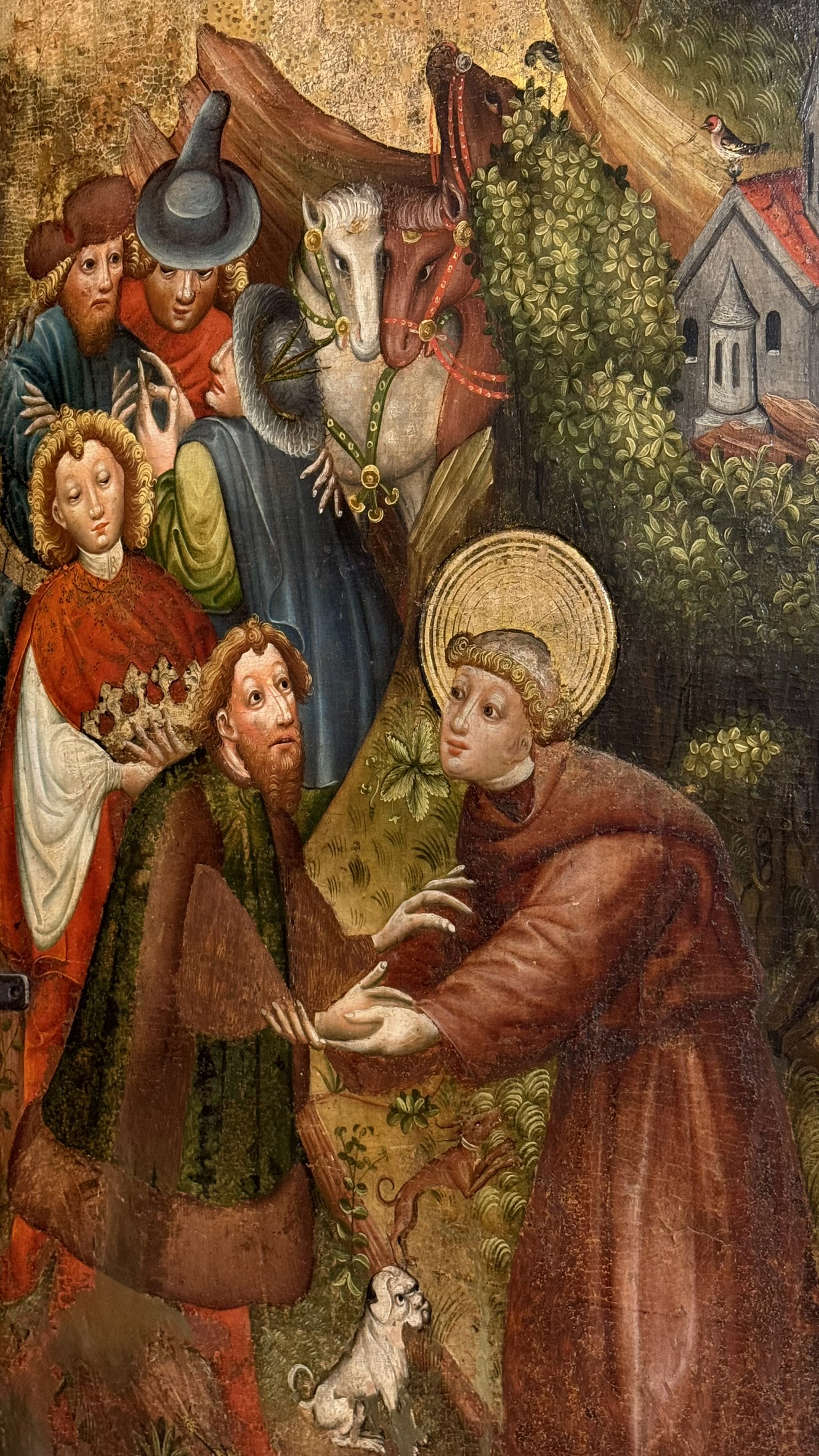
Altarpieces: These were often large, elaborate paintings or carvings that depicted scenes from the life of Christ, the Virgin Mary, or saints. These altarpieces would have been placed at the front of the church, serving both as a focus for worship and a visual representation of the divine.
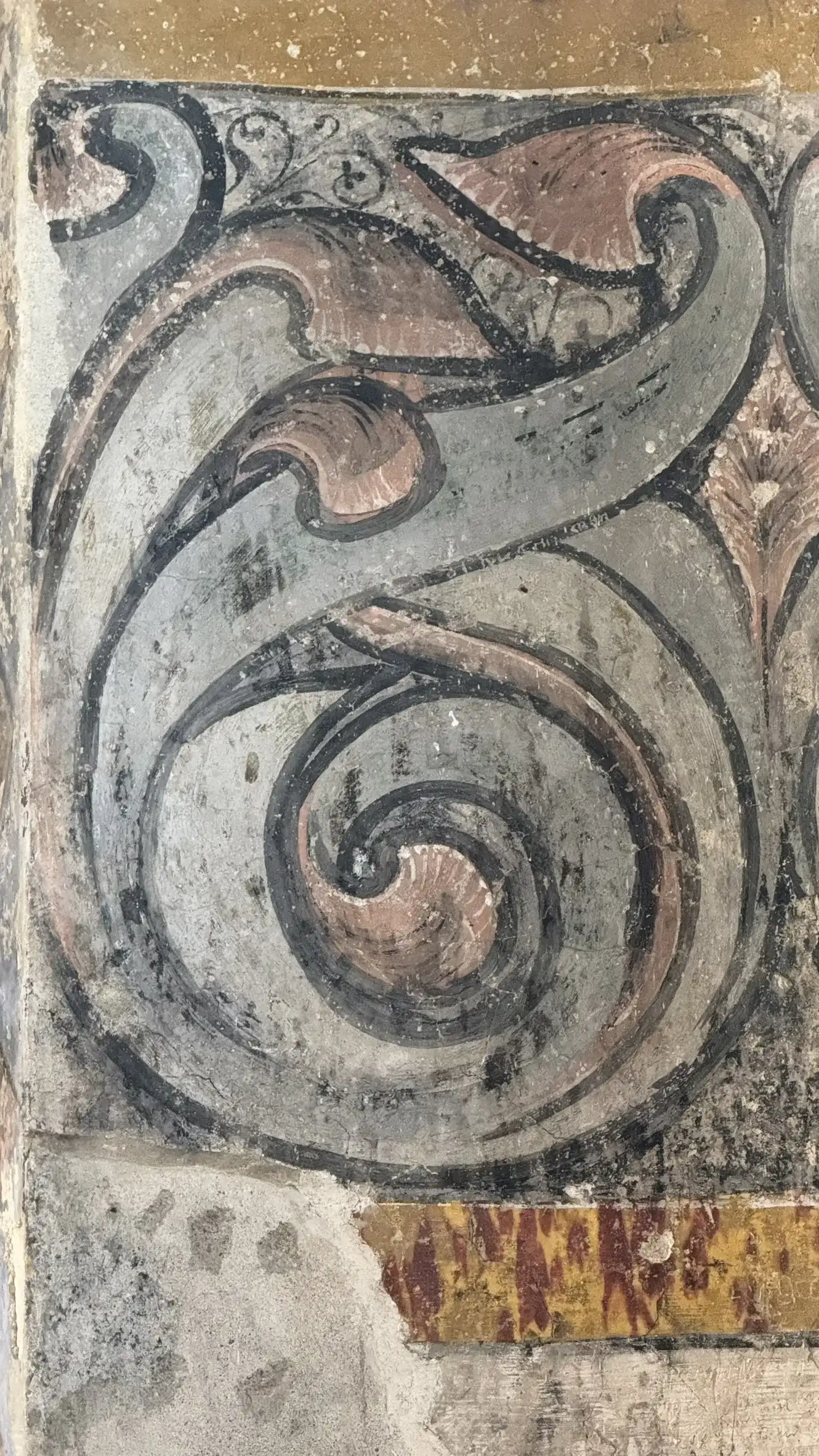
Frescoes and Mosaics: Many churches were decorated with frescoes or mosaics that covered walls and ceilings. These images would often show biblical stories or heavenly scenes to inspire devotion among the congregation.
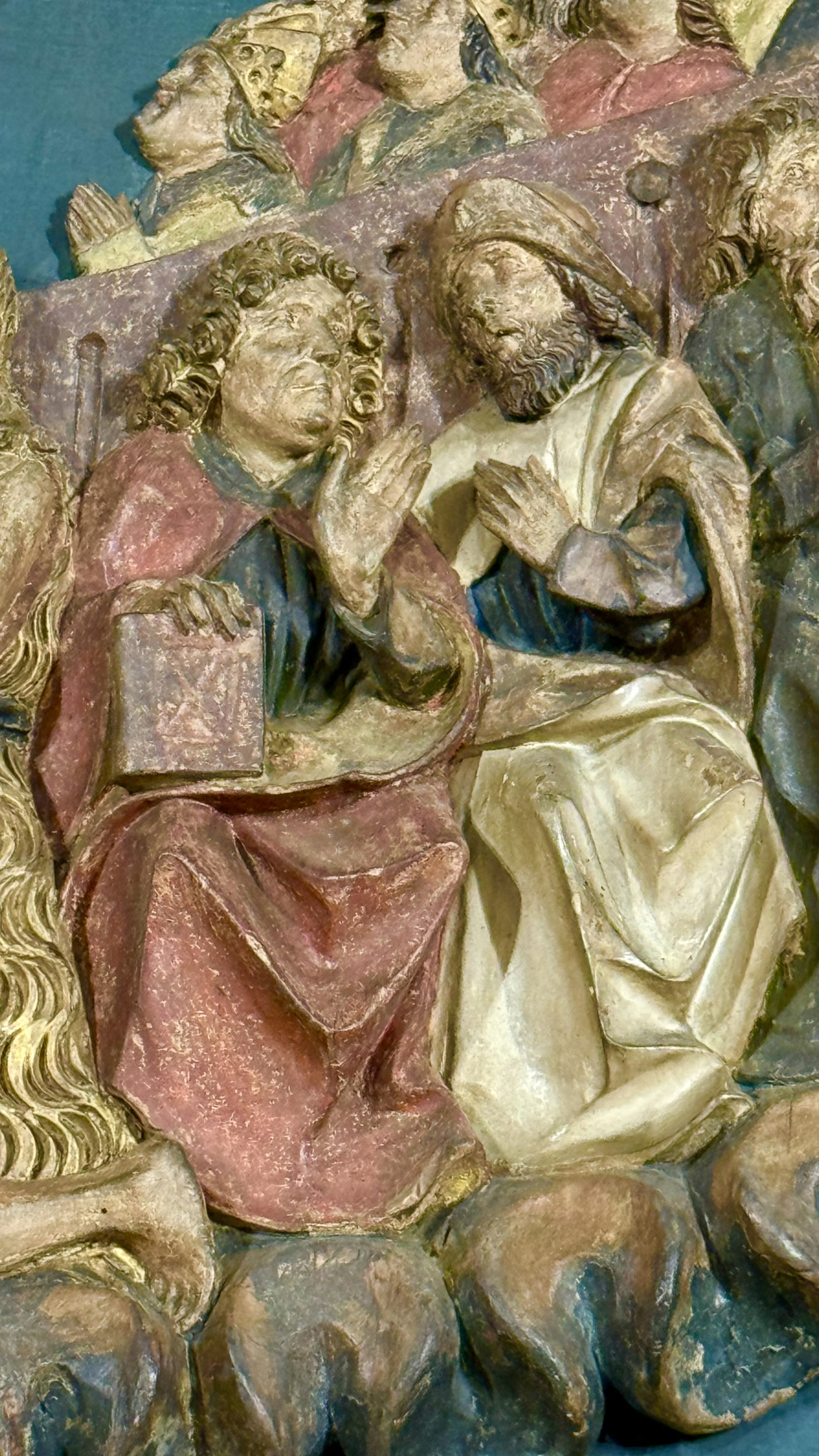
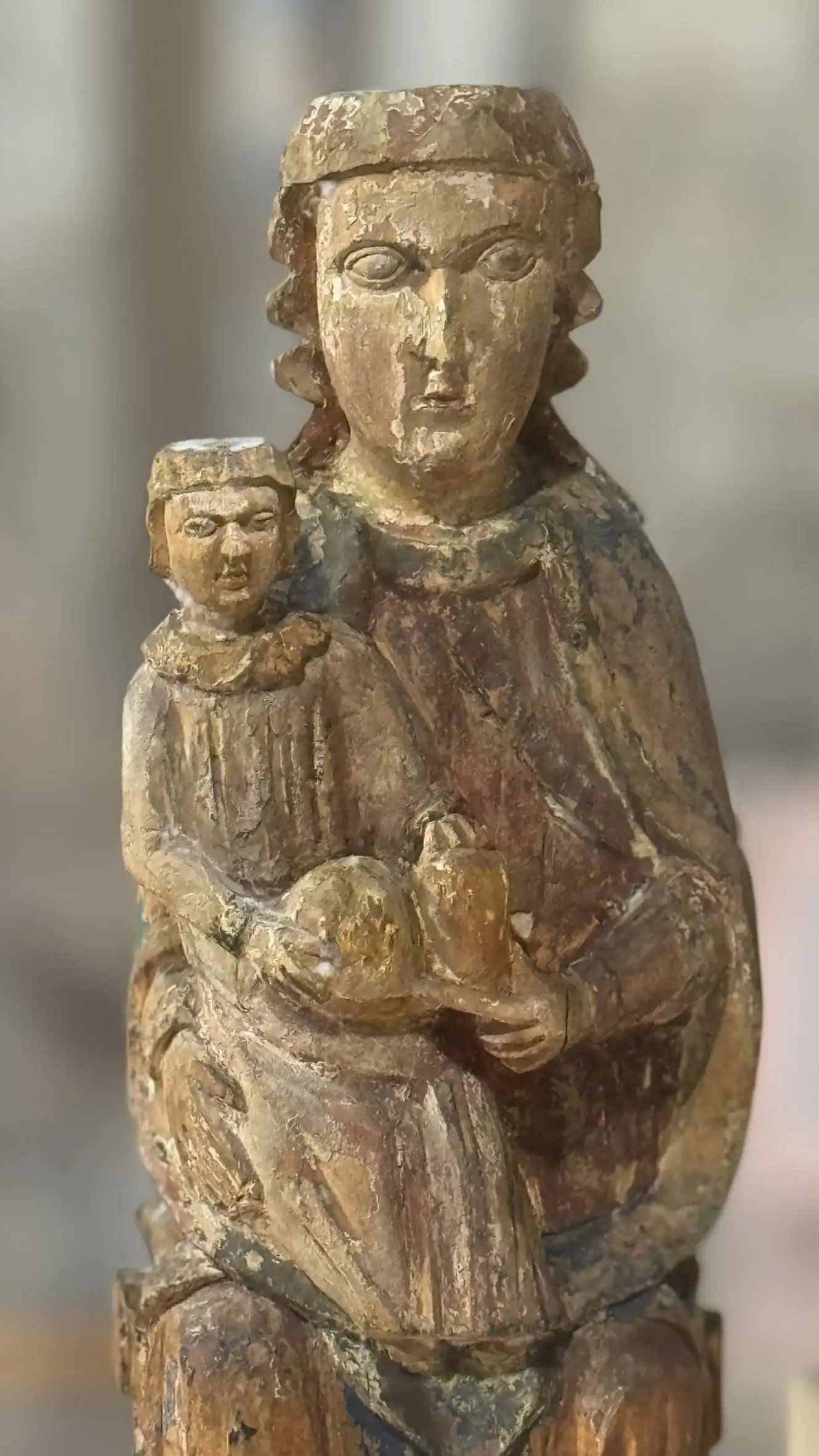
Sculpture: Carinthian medieval churches often featured sculptures of saints, angels, and biblical figures. These were placed around the church or in niches, and they helped bring religious stories to life for worshippers.
Illuminated Manuscripts: Monasteries in Carinthia would have been involved in the creation of illuminated manuscripts (beautifully decorated books), often containing religious texts like the Bible or psalms. These manuscripts were hand-written and adorned with intricate illustrations and gold leaf.
Gold and Silverwork: Religious objects such as chalices, altars, and crosses were often crafted from gold, silver, and other precious materials. These items were not only functional but also decorative, reflecting the importance of the sacred.
Ecclesiastical art in Carinthia during the Middle Ages helped to communicate religious beliefs and foster a deep sense of spirituality within the local community. It was both a tool for worship and a way of glorifying God through beauty and craftsmanship.
Image Gallery