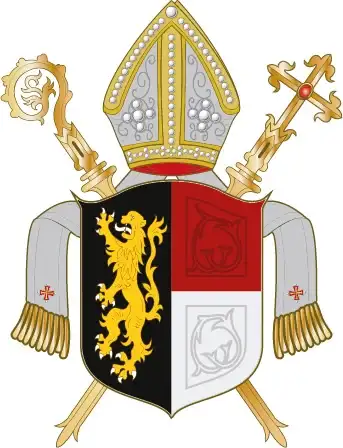
Hierarchical Structure of the Catholic Diocese of Gurk
Reading Time: 0:30 min
– Bishop of Gurk | Top of the Hierarchy
– Dean and Canons | Cathedral Chapter
– Auxiliary Bishops and Vicar General | Assistants to the Bishop
– Local Parish Priests
– Gurk Abbey with its Abbot and Monks | Monastic Order
– Noble Families and Local Rulers | Lay Leadership and Secular Authorities
This structure reflects the blend of spiritual authority and secular influence that defined the Diocese of Gurk throughout history. The bishops were the central figures in the religious hierarchy, but their authority was often supported or challenged by the political dynamics of the time.
Hierarchical Structure of the Catholic Diocese of Gurk
Reading Time: 2:30 min
The hierarchical structure within the Diocese of Gurk, where the bishops held central spiritual, administrative, and often political authority, is outlined below.
1. Bishop of Gurk | Top of the Hierarchy
The Bishop of Gurk was the highest authority within the diocese, responsible for overseeing all religious, administrative, and ecclesiastical matters within the territory. The bishop was the spiritual leader for the Catholic population of the diocese and held substantial political influence, often involved in local and regional governance. The bishop was also responsible for appointing clergy, administering sacraments, and ensuring the diocese’s financial and material needs were met.
2. Dean and Canons | Cathedral Chapter
The Cathedral Chapter was a collective body of clergy, including canons and other high-ranking church officials, who supported the bishop in the administration of the diocese. The chapter had a role in the governance of the diocese, especially in electing the bishop (historically, the election of a new bishop was an important function of the chapter). The chapter also played a key role in maintaining the cathedral and overseeing liturgical activities.
Dean of the Chapter: The dean was the head of the Cathedral Chapter and was responsible for ensuring that the daily operations of the cathedral, including the liturgical services, ran smoothly. The dean worked closely with the bishop on important matters concerning the diocese.
Canons: These were high-ranking clerics, often priests, who served the bishop and cathedral. They assisted in religious ceremonies, administered the sacraments, and sometimes had roles in the administration of parishes or church properties.
3. Auxiliary Bishops and Vicar General | Assistants to the Bishop
In some periods, the bishop of Gurk would appoint auxiliary bishops or a vicar general to assist in the governance of the diocese, particularly if the territory was large or if the bishop had multiple administrative duties. The vicar general was often the bishop’s right-hand person, responsible for overseeing the day-to-day management of the diocese and sometimes acting as the bishop’s representative in certain areas.
4. Local Parish Priests
Below the Cathedral Chapter, the parochial clergy and priests played an essential role in the local spiritual life. Each parish in the diocese had its own priest or pastor, who was responsible for the spiritual welfare of the congregation, including performing mass, administering sacraments, and guiding the community. They reported to the bishop and were often involved in diocesan initiatives.
5. Gurk Abbey with its Abbot and Monks | Monastic Order
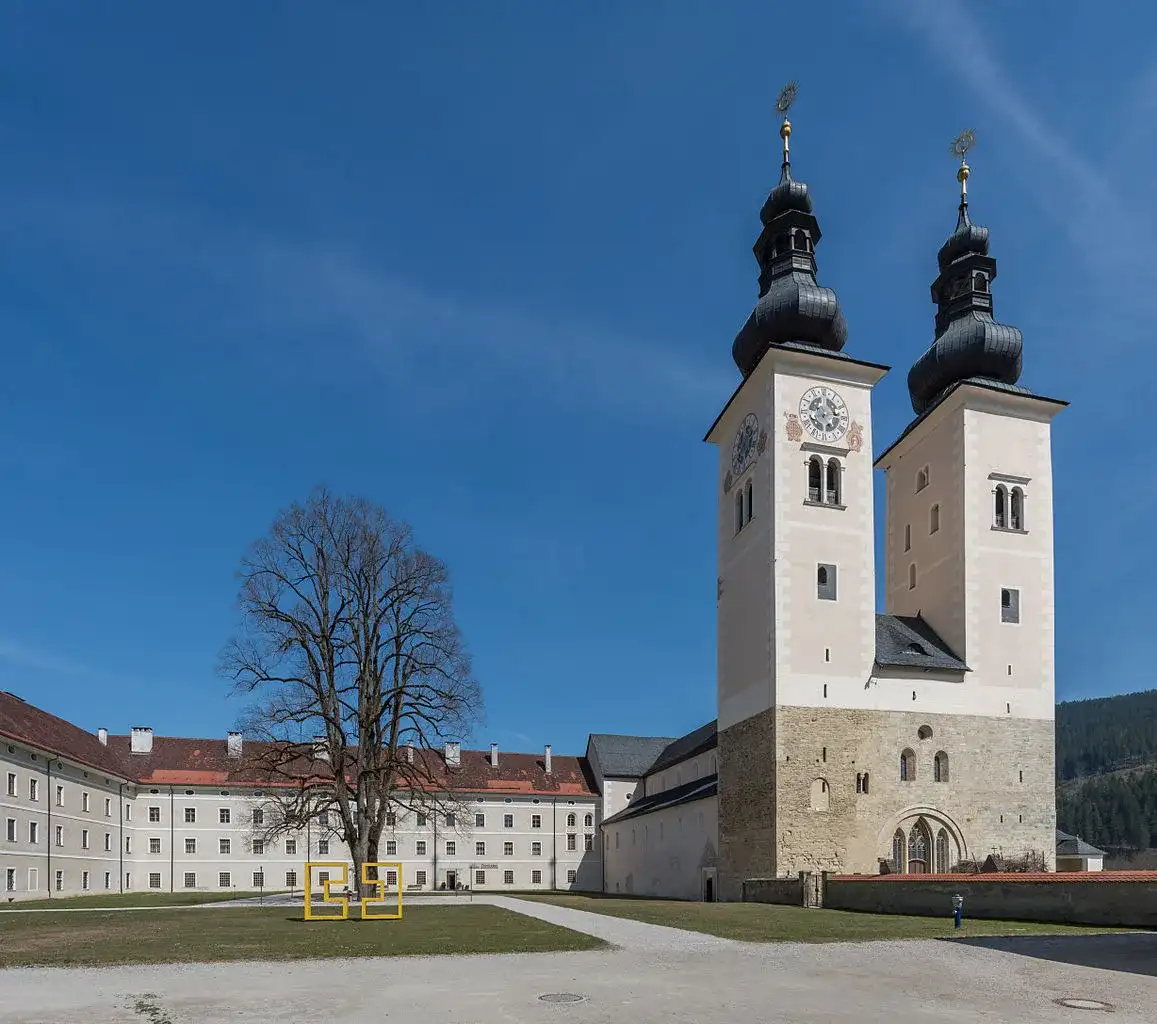
Within the Diocese of Gurk, certain monastic orders, such as Benedictine monks, also held significant influence. Gurk Abbey, founded by Hemma von Gurk, was one of the most important religious centres and played a role in the ecclesiastical structure. The abbot of the monastery would often have a close relationship with the bishop, and the monks would contribute to the religious and cultural life of the diocese.
6. Noble Families and Local Rulers | Lay Leadership and Secular Authorities
Although the bishop and clergy held spiritual and administrative authority, secular leaders, such as noble families and local rulers, often played influential roles in diocesan affairs. These figures might be involved in the appointment of bishops, as was often the case in the Middle Ages when political and religious powers were closely intertwined. The church relied on these secular leaders for support and protection of church property and interests.