


Ceramics in Europe | Key Developments
Romanesque → Gothic → Renaissance → Baroque
Reading Time: 2:05 min
Romanesque Period
– Pottery was mainly functional and locally produced.
– Earthenware dominated everyday life.
– Glazes were limited; many vessels remained unglazed or simply lead-glazed.
– Pottery was used primarily for cooking, storage, and transport of food.
Gothic Period
– Technical improvements in kilns allowed higher firing temperatures.
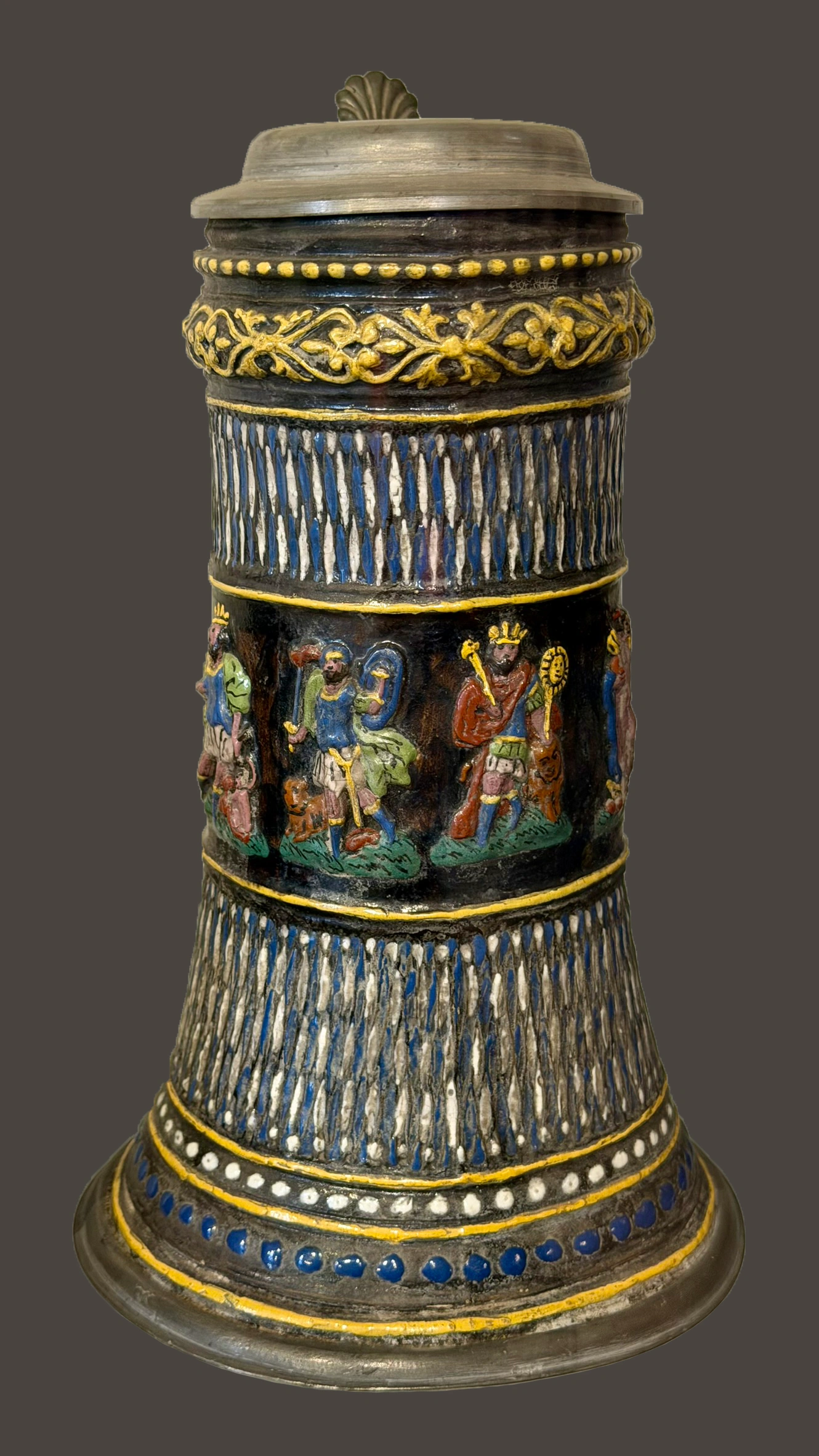
– Stoneware production expanded, especially in the Rhineland.
– Pottery forms became more refined, including drinking jugs and table vessels.
– Decorative floor tiles and architectural ceramics were used in churches, monasteries, and castles.
Renaissance Period
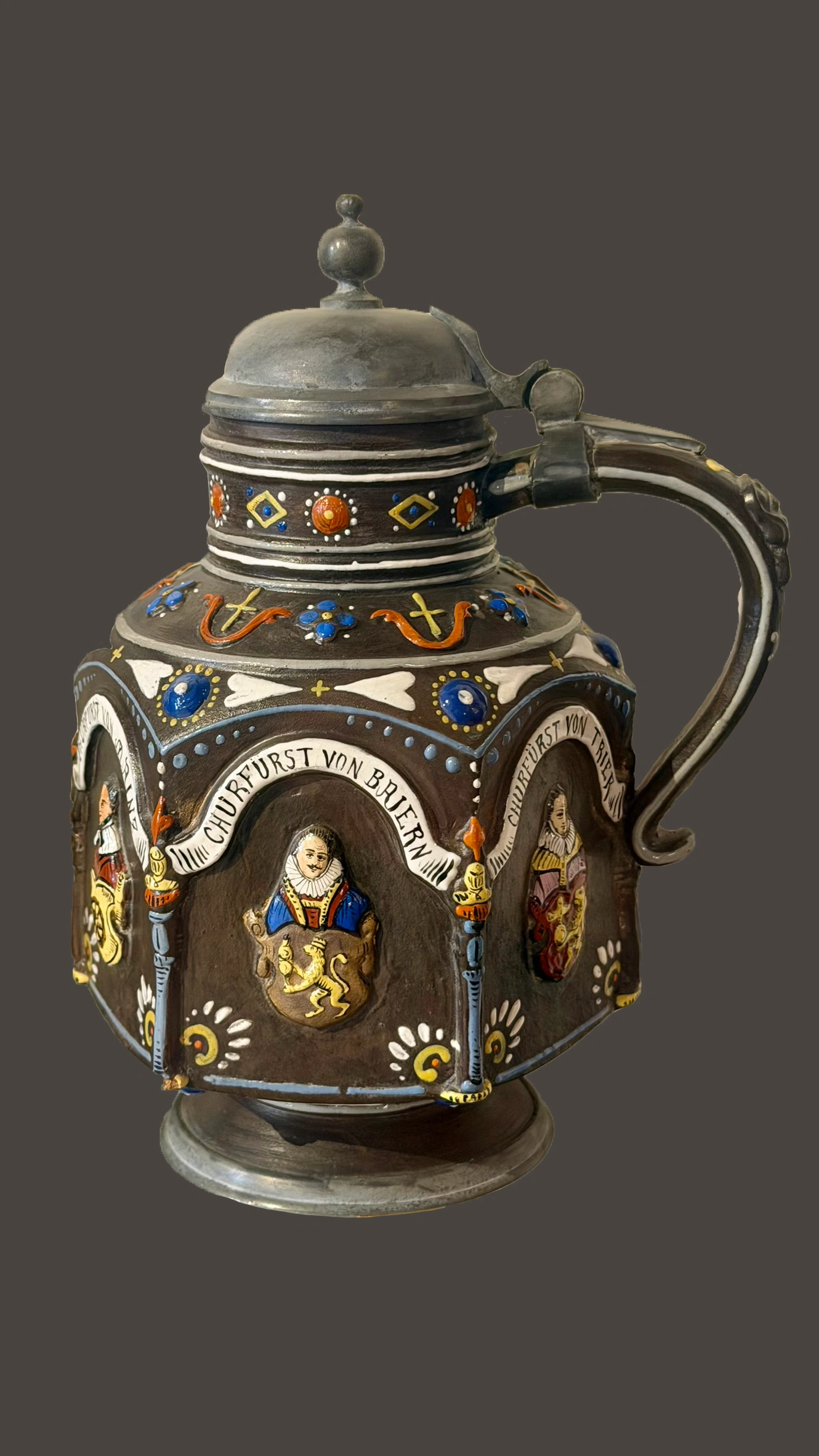
– The Renaissance brought a strong artistic dimension to ceramics.
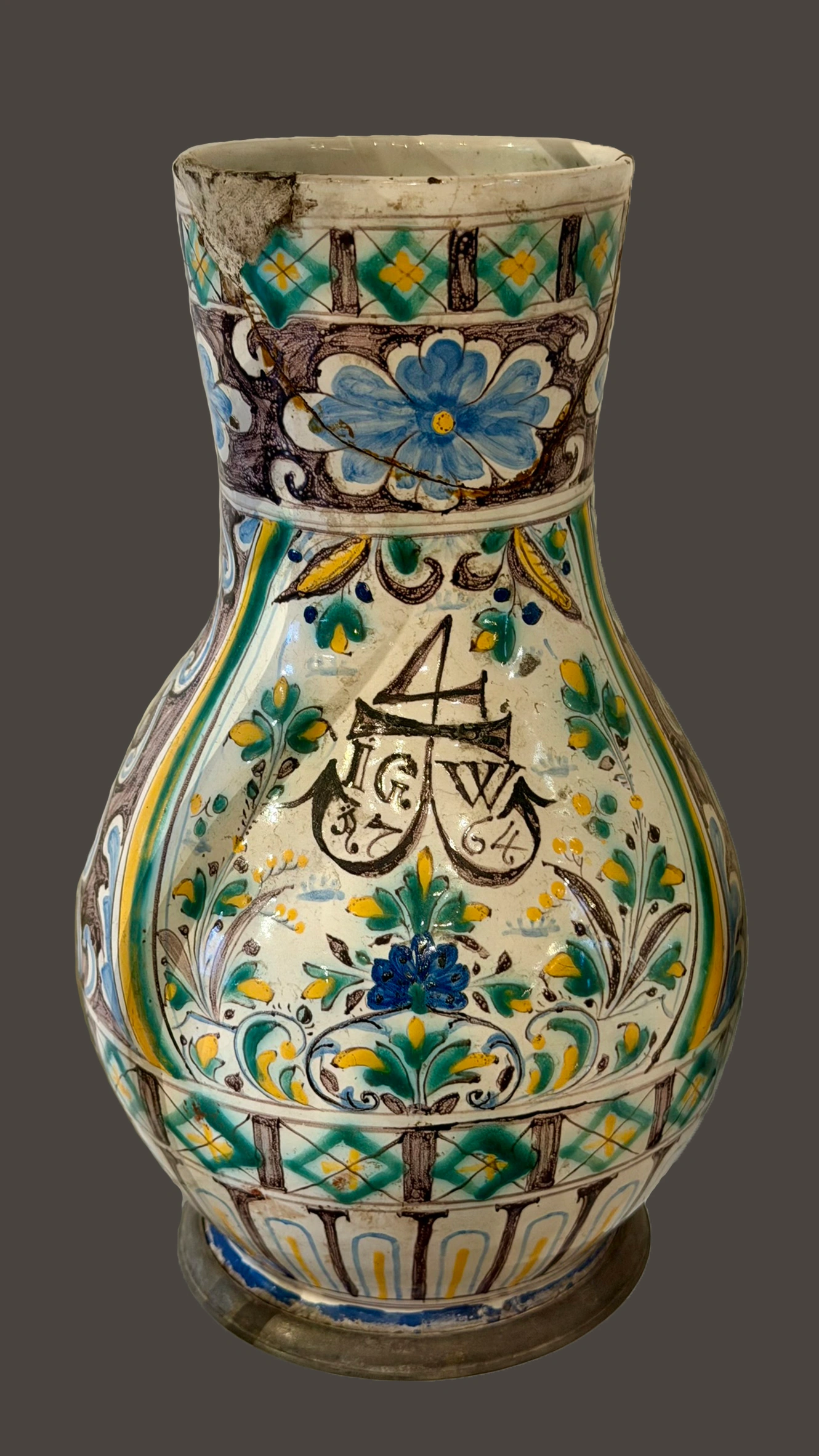
– Tin-glazed faience (maiolica) spread across Europe.
– Potters began creating painted narrative scenes, heraldry, and ornamental designs.
– Ceramics increasingly served both practical and decorative purposes.
Baroque Period
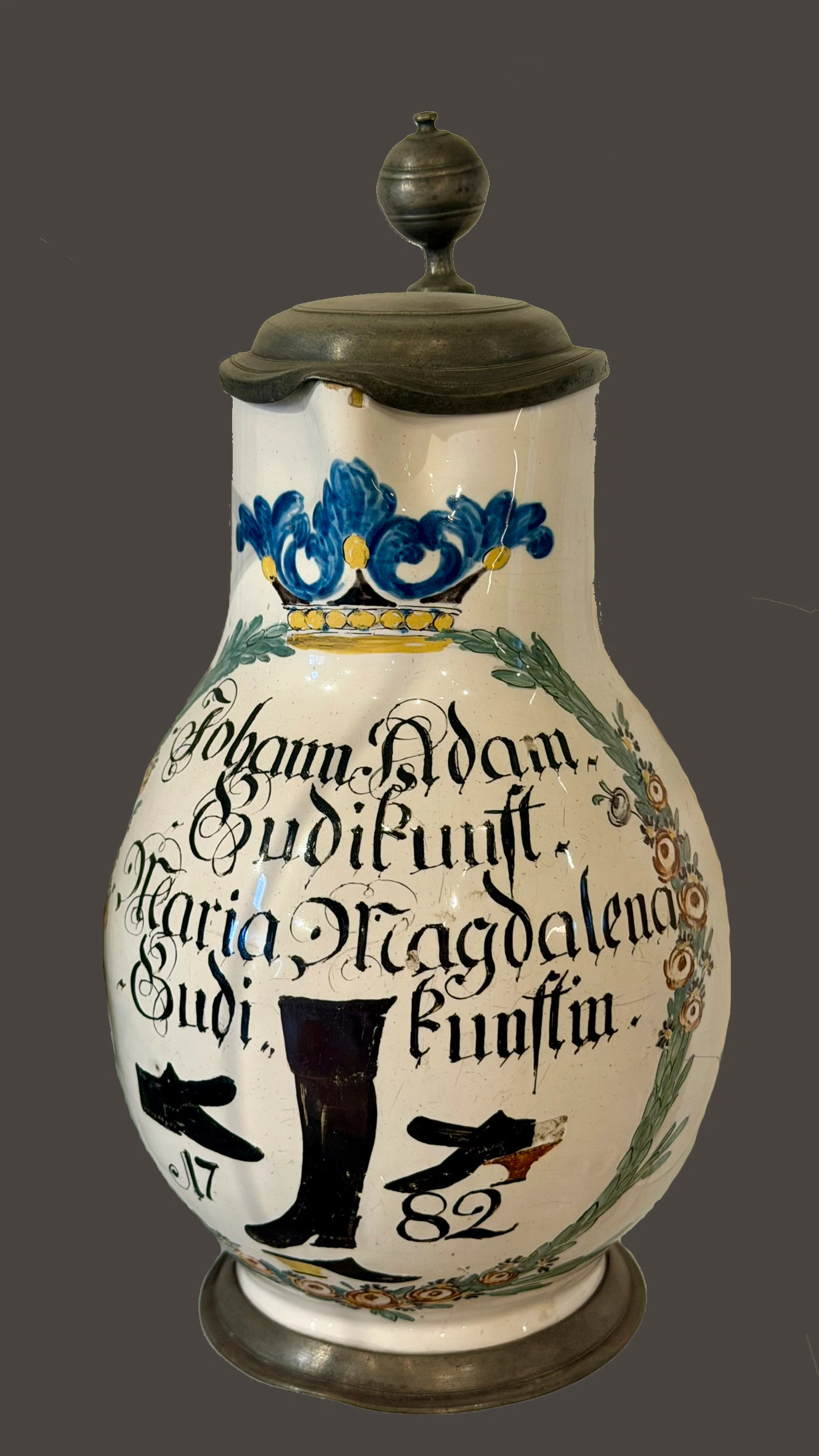
– The Baroque era emphasised luxury, colour, and elaborate ornament.
– European potters attempted to imitate imported Chinese porcelain, which was highly valued.
– Faience workshops flourished across France, Germany, and the Low Countries.
– In the early 18th century, true European porcelain was finally produced, most famously at Meissen Porcelain Manufactory.
– Ceramics became important status objects for aristocratic households, including figurines, decorative plates, and elaborate table services.
Ceramics in Europe
Typical Materials by Period
Period | Dominant Materials |
Romanesque | Earthenware |
Gothic | Earthenware and stoneware |
Renaissance | Faience, refined stoneware, early porcelain experimentation |
Baroque | Faience and porcelain |
Ceramic Production Centres in Carinthia
Below is an overview of ceramic production centres in Carinthia, showing how important towns developed pottery traditions during different art periods. The structure links centres of production, types of ceramics, and the artistic period in which they were most prominent.
Teurnia
Types of Ceramics Produced
Roman domestic pottery, tableware, storage jars, fine red wares similar to Terra Sigillata
Main Art Period(s)
Roman
Notes
One of the most important Roman settlements in Carinthia; pottery workshops supplied the surrounding region.
Virunum
Types of Ceramics Produced
Wheel-thrown Roman household pottery, amphorae, tableware
Main Art Period(s)
Roman
Notes
Capital of the Roman province of Noricum; ceramics largely influenced by wider Roman production.
Friesach
Types of Ceramics Produced
Cooking pots, storage jars, jugs, glazed tableware
Main Art Period(s)
Romanesque → Gothic
Notes
Major medieval trading town; pottery served both local households and travelling merchants.
St. Veit an der Glan
Types of Ceramics Produced
Domestic pottery, glazed vessels, decorative jugs
Main Art Period(s)
Gothic → Renaissance
Notes
As a ducal residence town, demand increased for better-quality tableware and decorated ceramics.
Villach
Types of Ceramics Produced
Glazed household ceramics, stove tiles, decorative pottery
Main Art Period(s)
Gothic → Renaissance
Notes
Trade connections with northern Italy influenced shapes and glazing techniques.
Klagenfurt
Types of Ceramics Produced
Tableware, decorative plates, stove tiles, glazed ceramics
Main Art Period(s)
Renaissance → Baroque
Notes
Growth of urban households increased demand for refined ceramics and decorative objects.
Gmünd
Types of Ceramics Produced
Rural pottery, cooking vessels, storage pottery
Main Art Period(s)
Late Medieval → Early Modern
Notes
Small workshops supplied surrounding Alpine communities with durable everyday pottery.