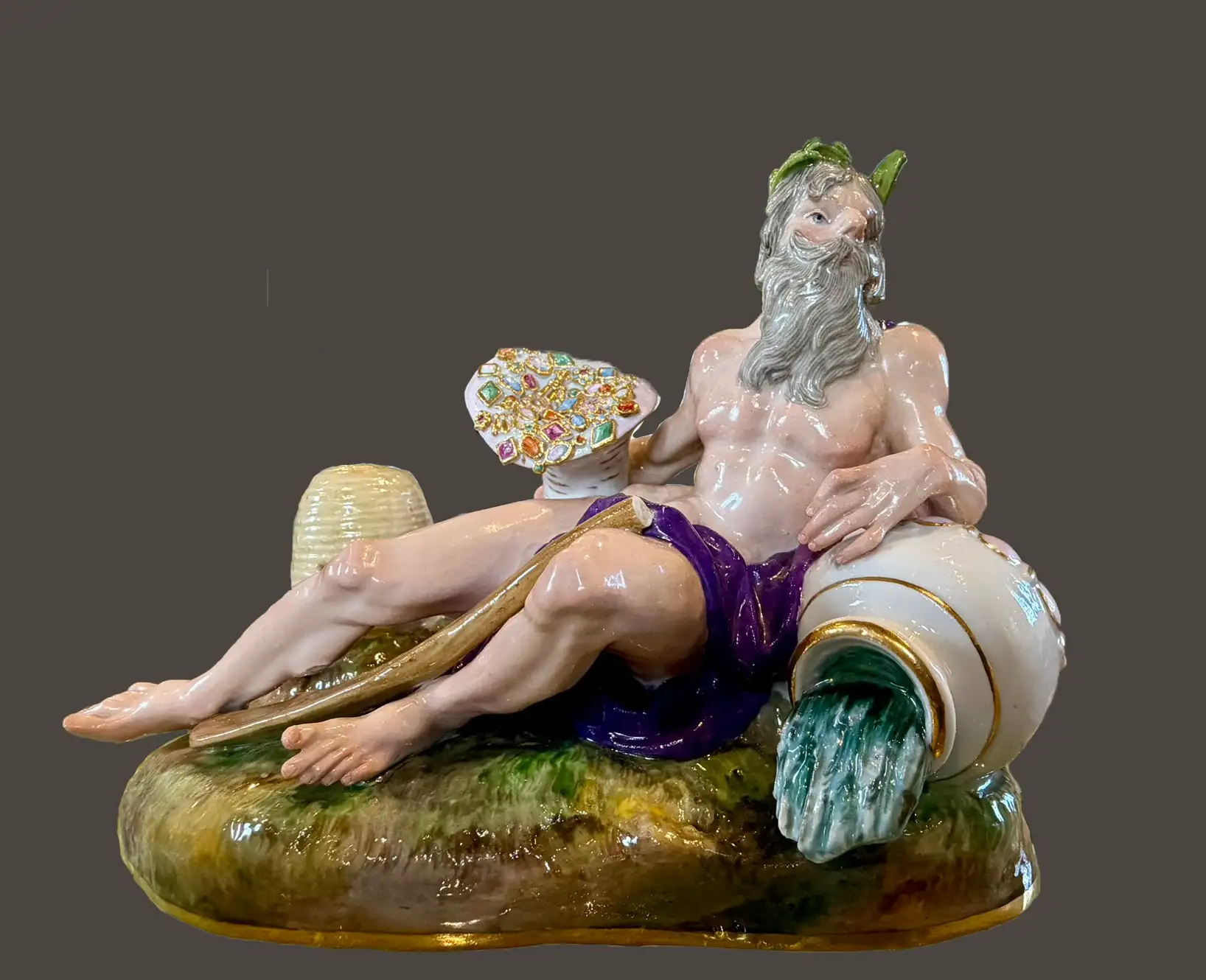
Porcelain Figurines, 19th Century
Carinthia and Austria
Reading Time: 1:25 min
Introduction
In the nineteenth century, porcelain figurines were highly valued decorative objects in Austria, including Carinthia. Combining fine craftsmanship with artistic expression, they reflected contemporary tastes, cultural ideals, and the growing interest in domestic ornamentation.
Types of Objects
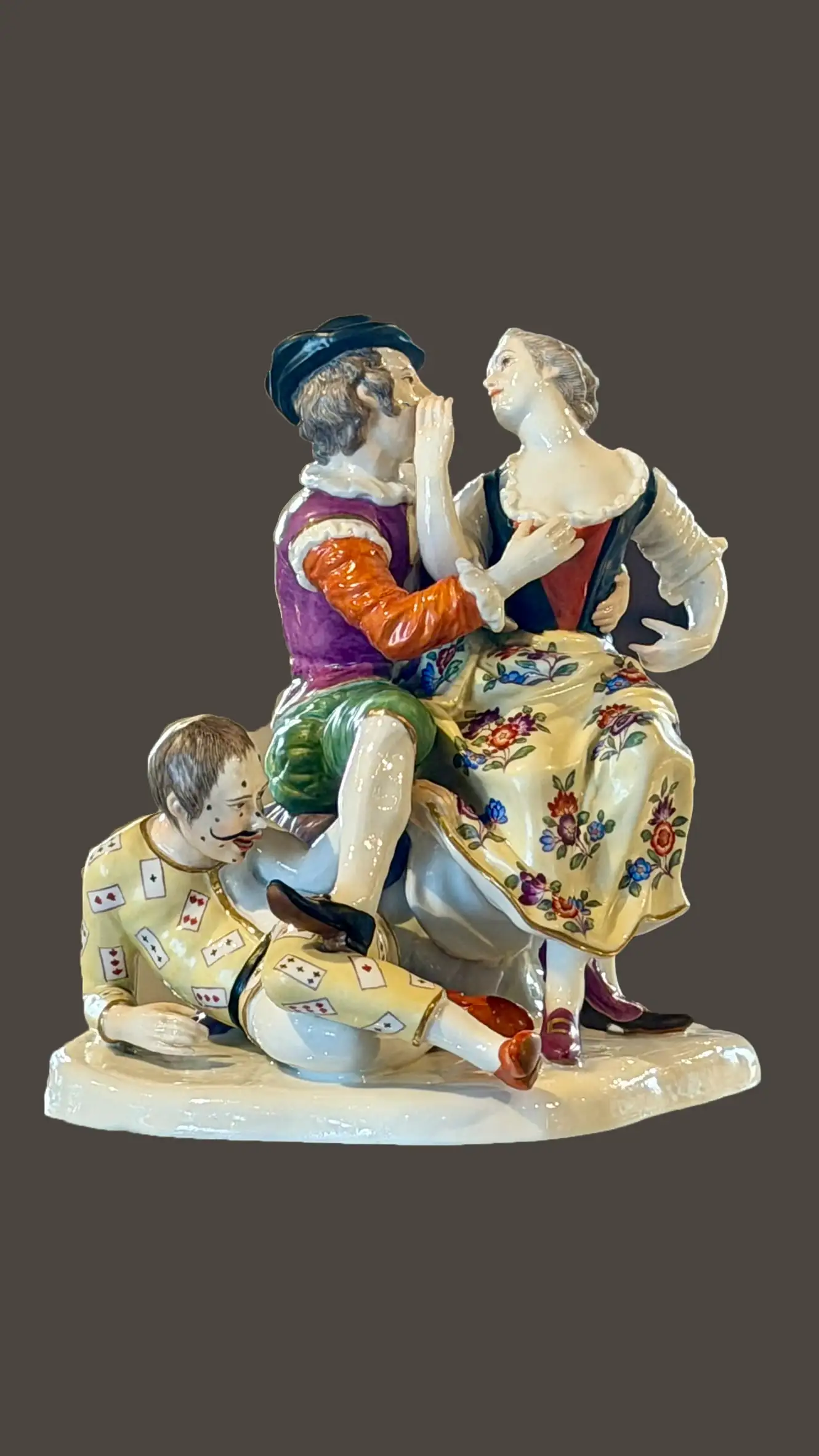
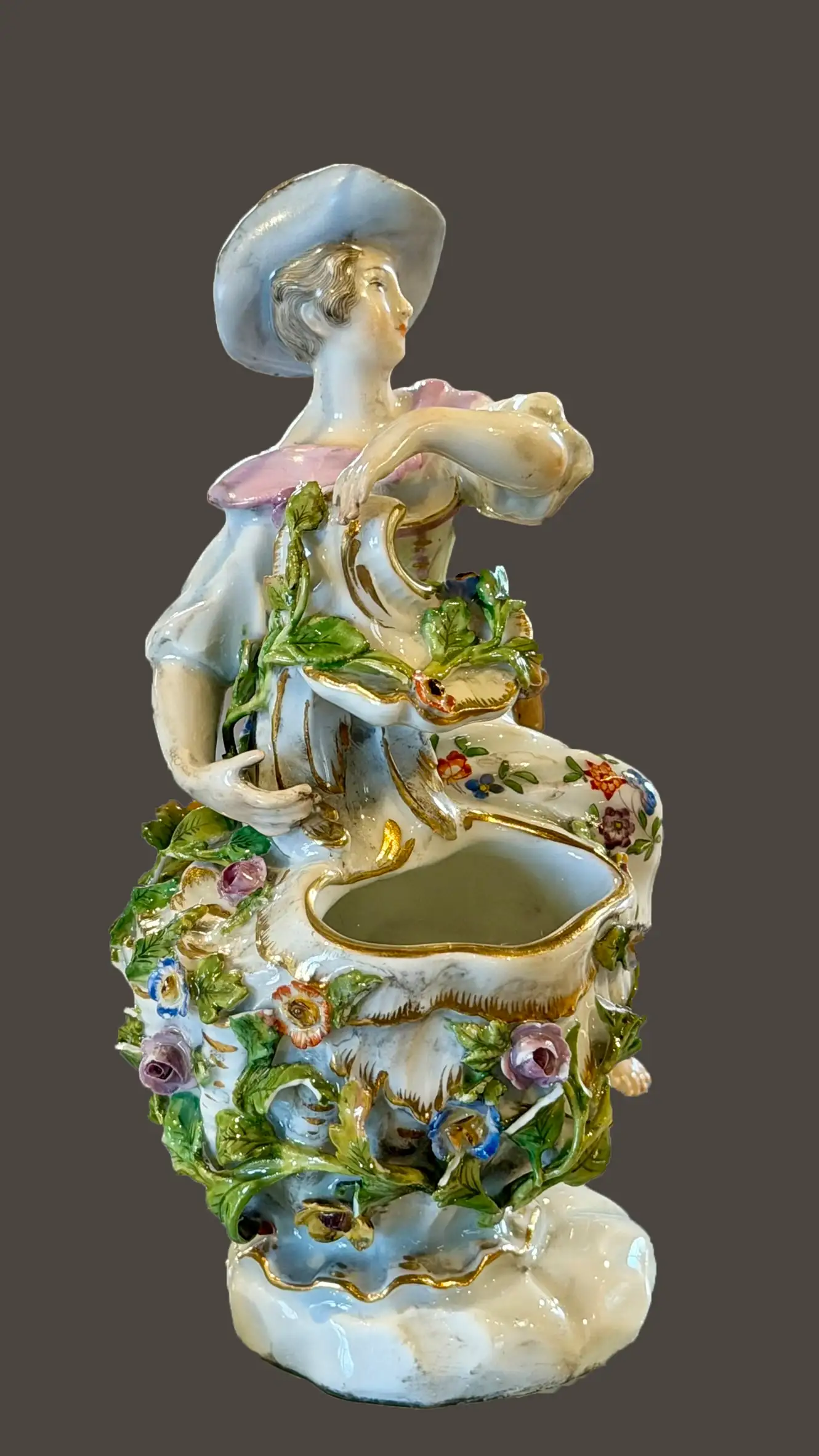
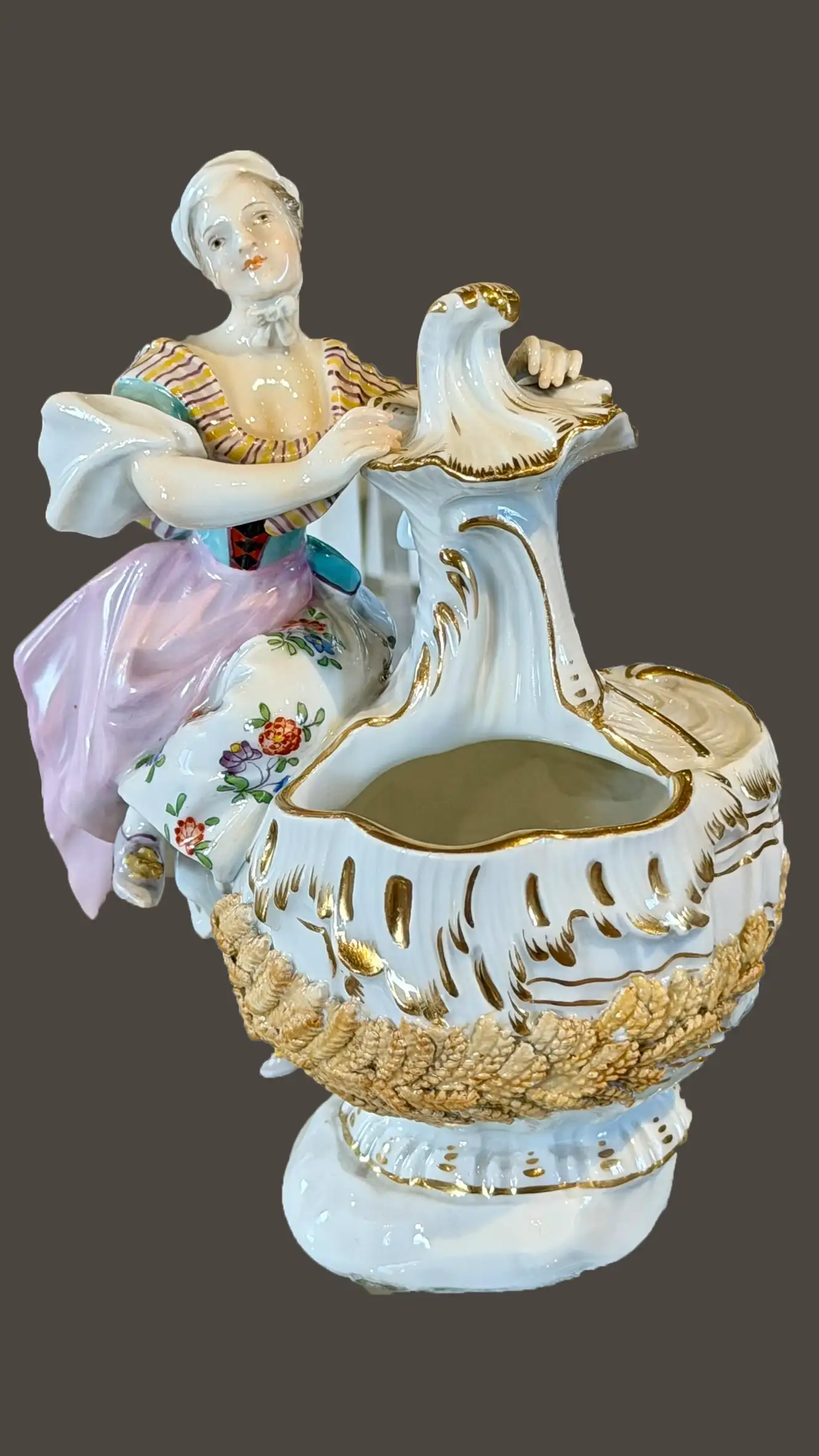
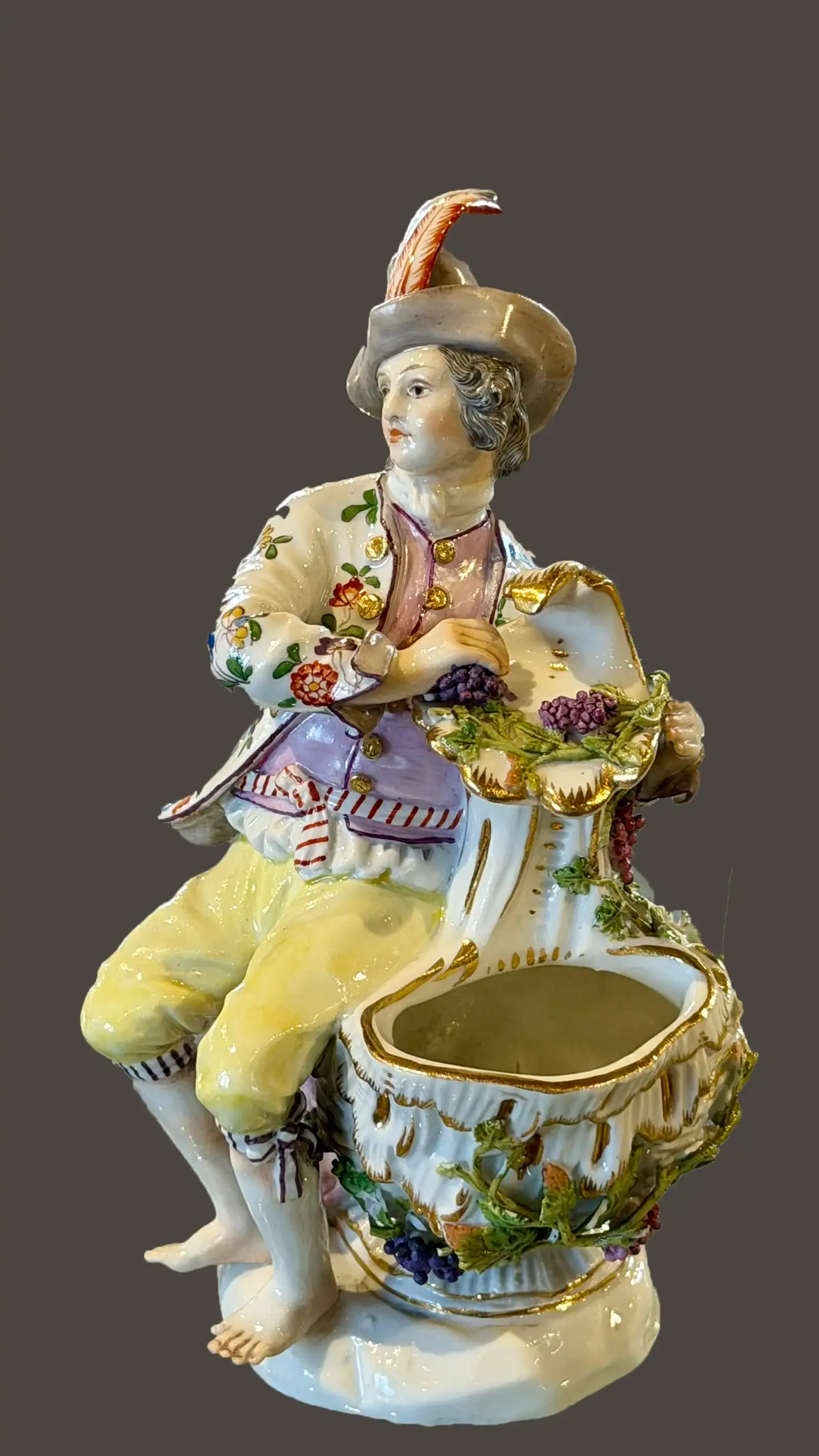
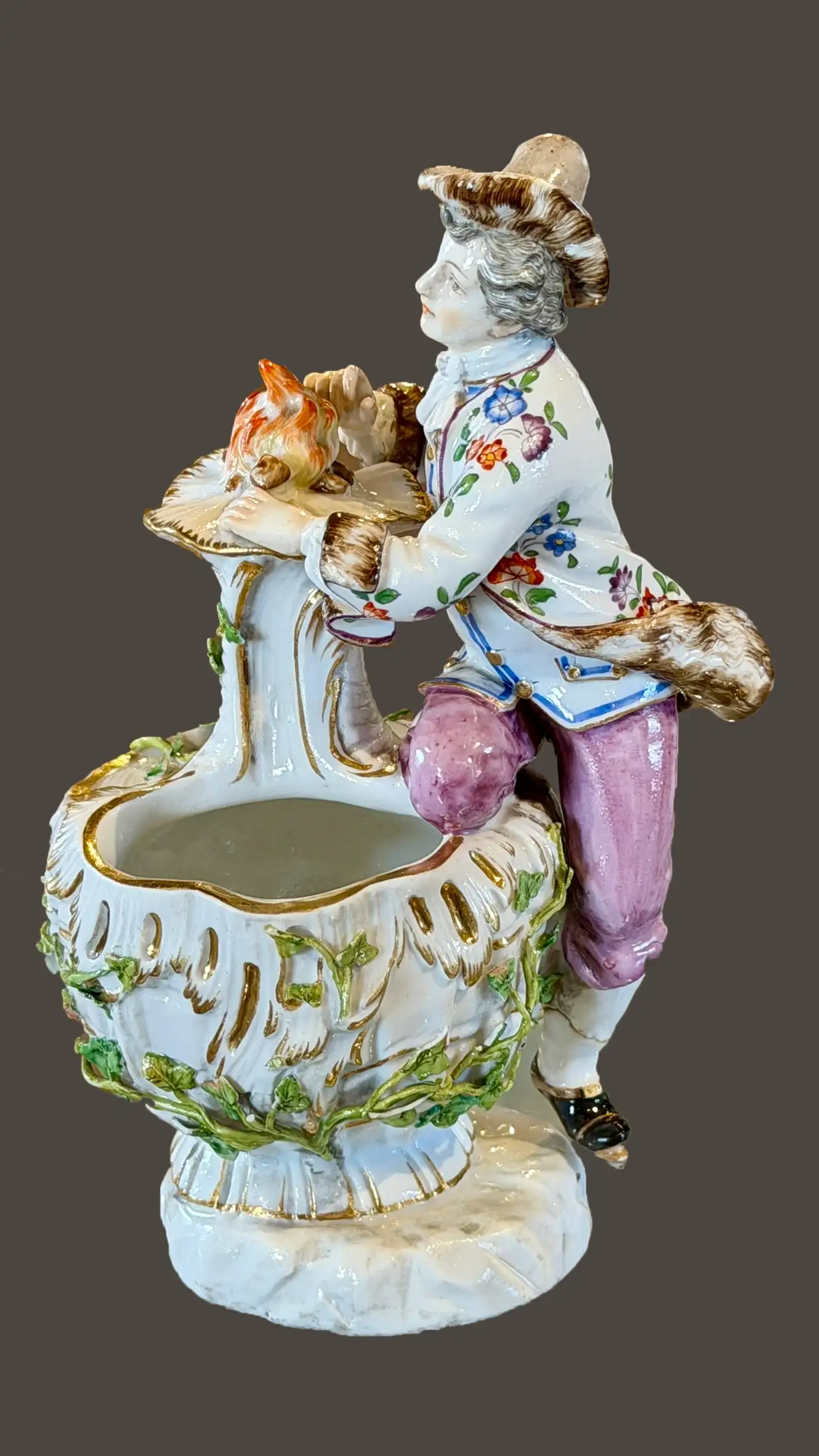
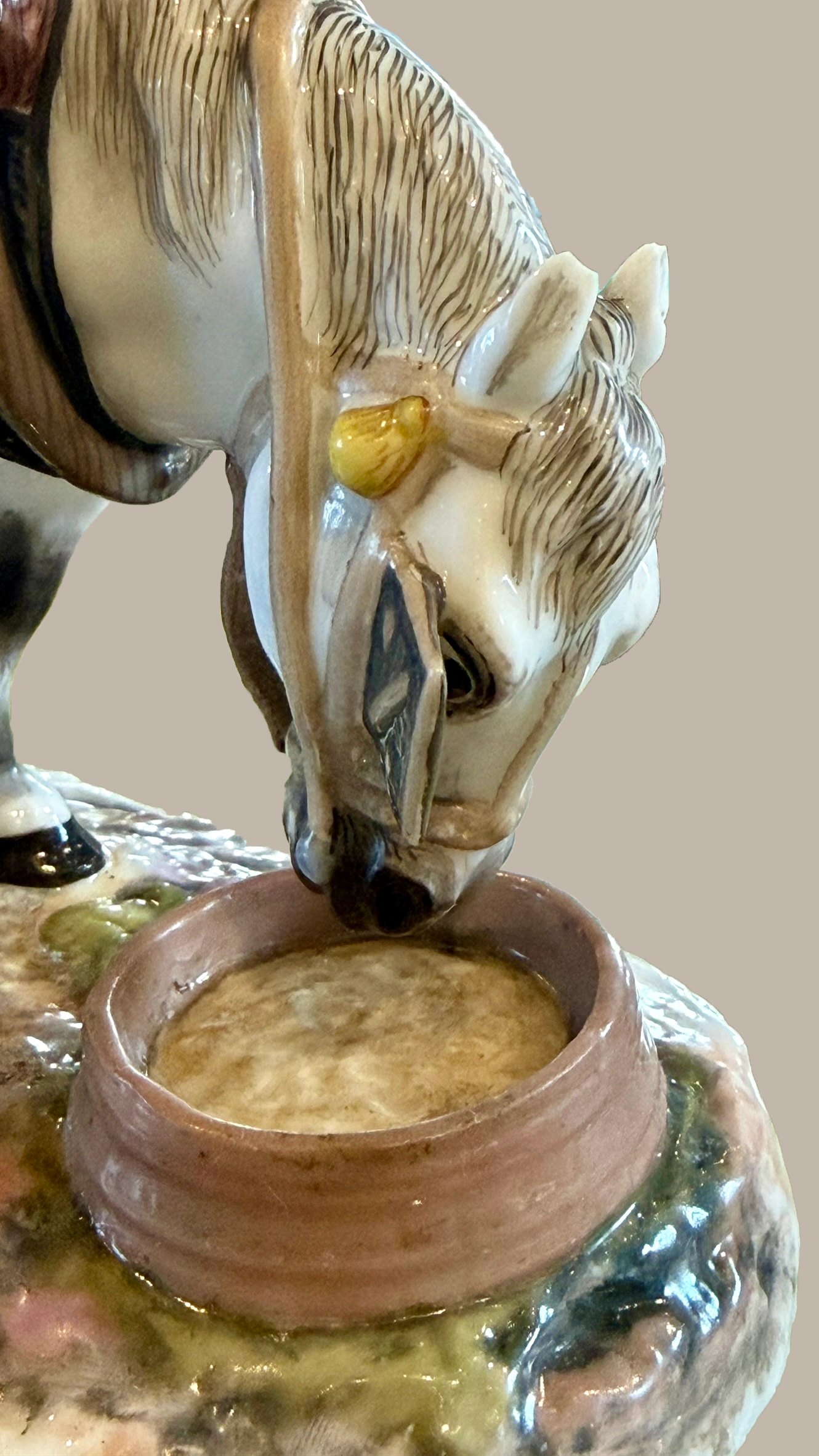
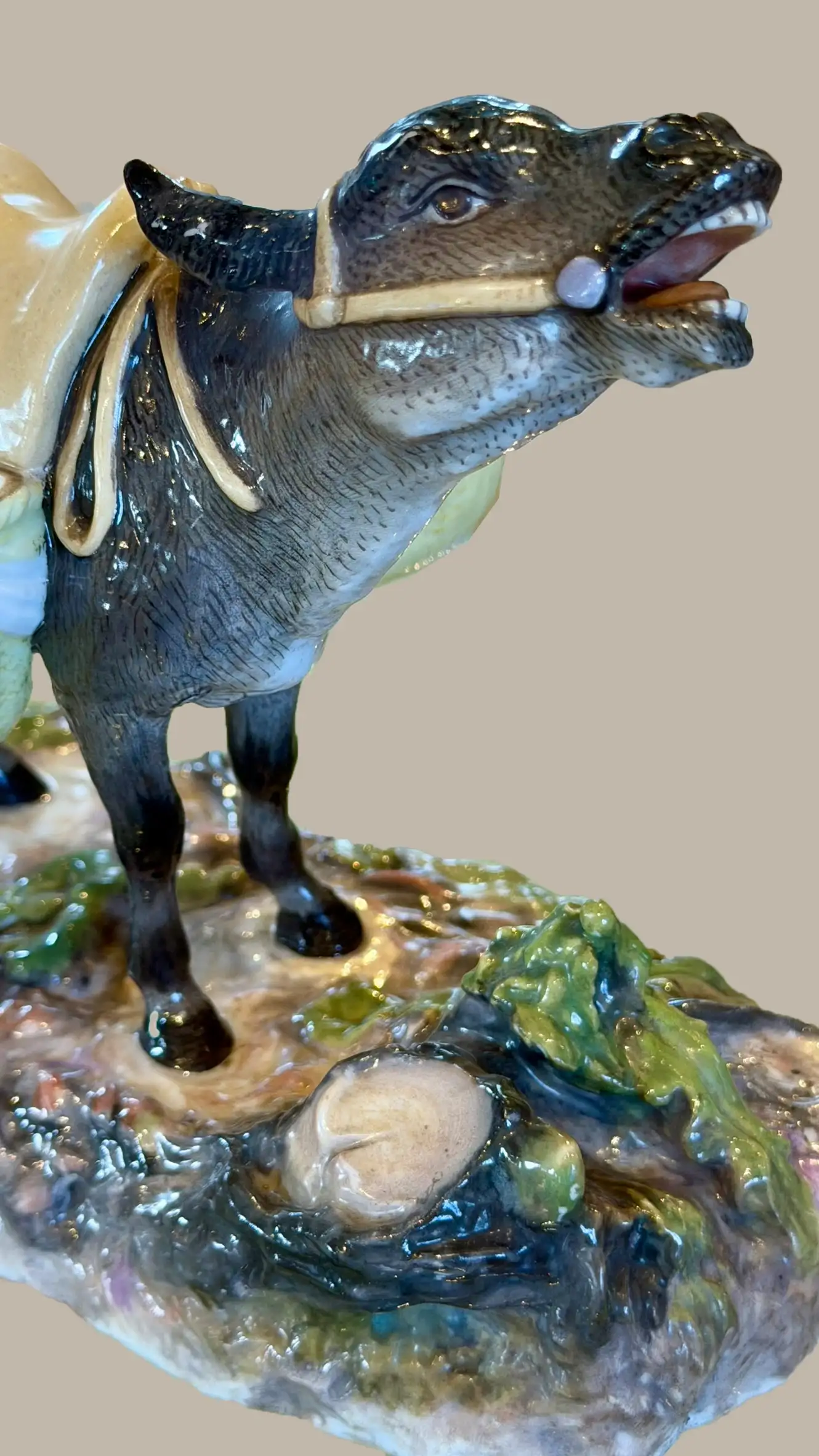
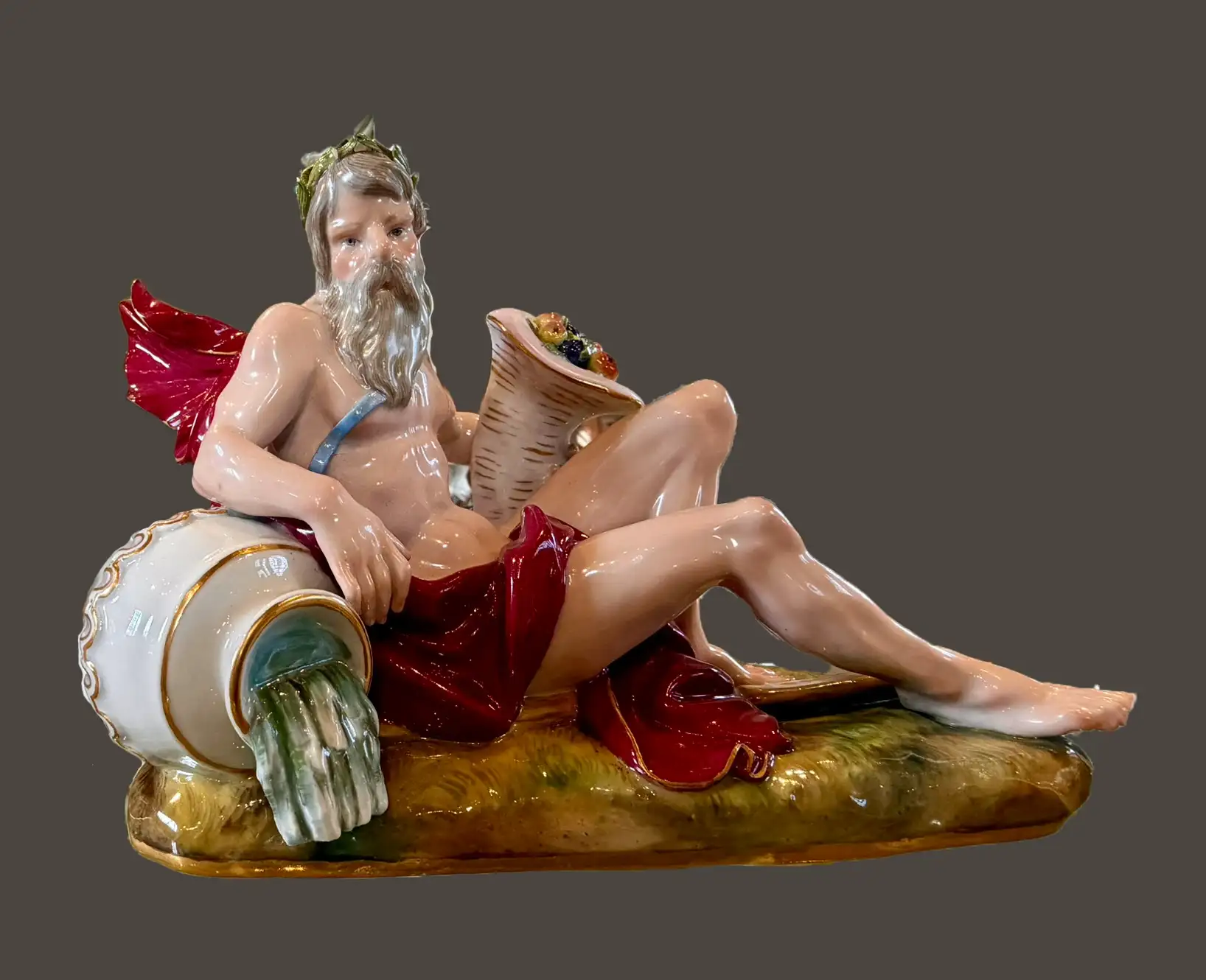
A wide variety of figurines was produced. These included pastoral scenes with shepherds and rural life, mythological figures, allegorical representations, and depictions of elegantly dressed men and women. Genre scenes, often portraying everyday activities or romantic encounters, were especially popular, alongside small groups of figures arranged as decorative compositions.
Types of Porcelain
The figurines were primarily made of hard-paste porcelain, valued for its strength, fine texture, and slightly translucent quality. This material allowed for detailed modelling and delicate forms. In some instances, soft-paste porcelain or mixed compositions were also used, particularly in earlier workshops or for specific effects.
Technique
Production involved careful modelling, usually by hand or with the aid of moulds. After shaping, the figures were fired, glazed, and then finely decorated. Hand-painting brought out facial expressions, clothing details, and ornamental elements, while gilding added highlights and refinement. Multiple firings ensured durability and precision in the final finish.
Craft Forms and Skills
The making of porcelain figurines required a combination of specialised crafts: sculptural modelling, ceramic production, painting, and gilding. Skilled modellers created expressive forms, while painters added colour and detail, resulting in objects that balanced artistic design with technical expertise.
Patrons and Buyers
Initially associated with aristocratic collections, porcelain figurines became increasingly popular among the urban middle classes in the nineteenth century. They were acquired as decorative items that reflected refinement, education, and an appreciation of art.
Household Use
In domestic interiors, figurines were displayed on cabinets, mantelpieces, and tables. They served primarily as decorative objects, enhancing the visual character of rooms and expressing personal taste. As collectible items, they also contributed to curated displays within the home, embodying both aesthetic pleasure and social aspiration.