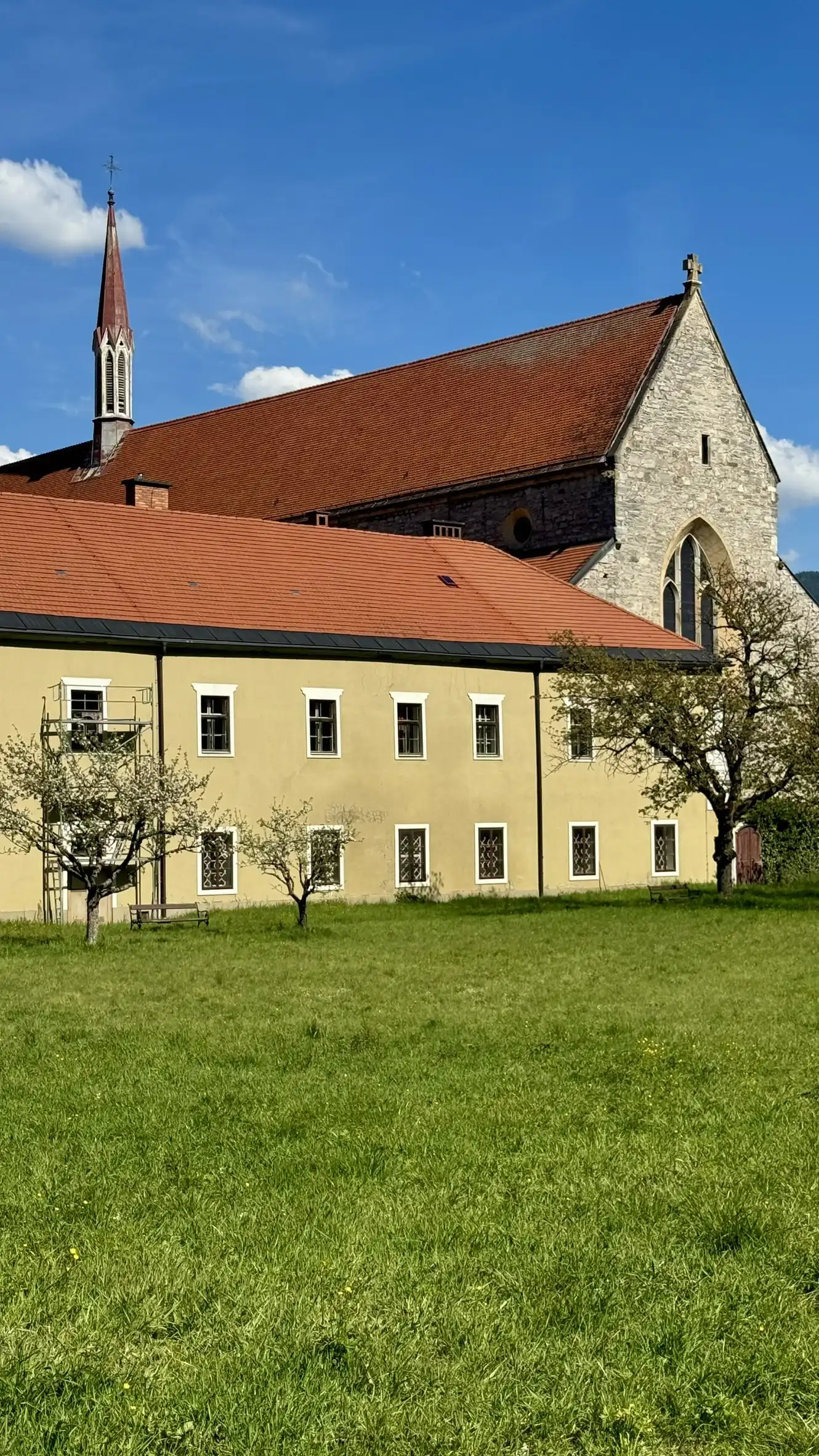
Dominican Order
Reading Time: 2:50 min
The Dominican Order, officially known as the Order of Preachers, was founded in 1216 CE by Saint Dominic de Guzmán, a Spanish priest.
Saint Dominic’s mission was to combat heresy, by preaching and teaching orthodox Catholic doctrine. He believed that a life of poverty, study, and preaching was the best way to spread the Gospel.
The Dominican Order quickly grew and became known for its commitment to education, scholarship, and preaching.
Dominicans were also involved in the establishment of universities and intellectual movements during the Middle Ages, most notably Thomas Aquinas, one of the order’s most famous members, whose writings shaped Christian philosophy.
The Dominicans live according to a rule of life based on the principles of poverty, chastity, and obedience.
Their distinctive habit is a white robe with a black cloak and a white scapular.
The order places a strong emphasis on study and intellectual engagement, and many Dominicans have contributed significantly to theology, philosophy, and the arts.
A key element of Dominican spirituality is “preaching” as a means of spreading God’s word. This includes both formal preaching in churches and more informal conversations. Their motto is “Veritas” (Truth), and their primary mission remains to preach the truth of the Gospel to all people.
Over time, the order expanded worldwide, with members living in communities (often called “houses”) and engaging in a variety of activities, including teaching, missionary work, and social justice advocacy. Today, the Dominican Order continues to thrive globally, maintaining its commitment to preaching, education, and service to the Church.
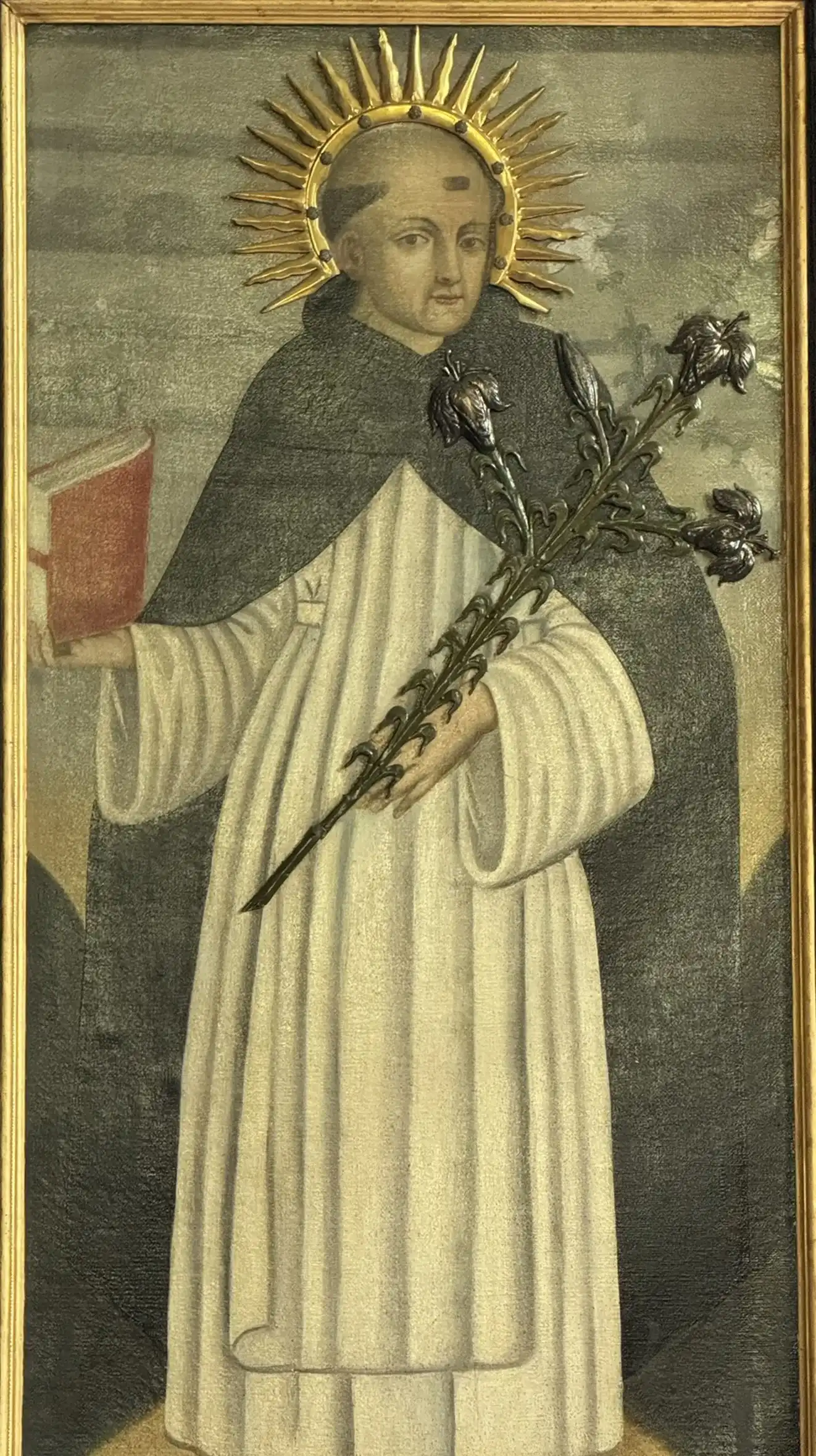
St. Dominic
St. Dominic (1170 CE – 1221 CE) was a Spanish priest and the founder of the Dominican Order. He was born in Caleruega, Spain, and became known for his deep faith, teaching, and commitment to spreading Christianity.
St Dominic believed in the importance of education and preaching. He wanted to counteract the spread of heresies (beliefs that went against the Church’s teachings). To do this, he formed the Order of Preachers, commonly known as the Dominicans. This order focused on preaching, teaching, and studying, and it became known for its dedication to learning and spreading the Gospel.
St. Dominic was known for his simple lifestyle, prayer, and devotion to helping the poor. His followers, the Dominicans, continue to carry out his mission of preaching, teaching, and promoting faith around the world. St Dominic was canonised as a saint in 1234 CE, just 13 years after his death.
Dominican Church | Dominican Monastery
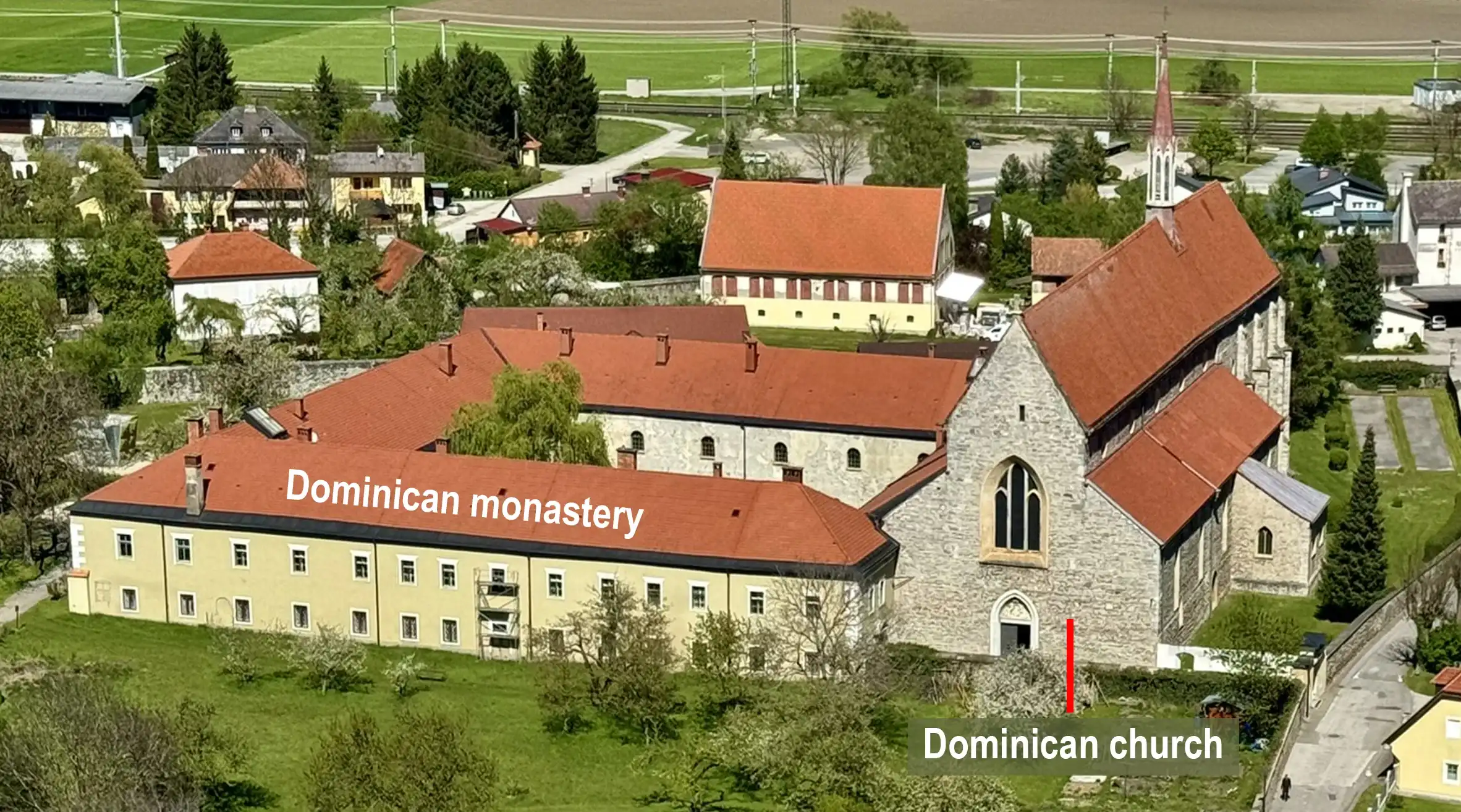
The Dominican Church in Friesach, Carinthia
The Church of St. Nicholas is also known as the Dominican Church.
It lies to the north of the town’s moat. It is 74 metres long. This makes it the longest church in Carinthia.
In accordance with the rules of the Dominican order, the church does not have a tower, but only small roof turret.
The patron saint of the church is Saint Nicholas.
History
– The oldest Dominican monastery in the German-speaking area was founded in Friesach, in 1217 CE.
– After 1255, the Dominicans moved to the north of Neumarkter Tor (current location of the Dominican Monastery and church).
– The construction of the nave began after 1255 and was completed around 1265.
– The long chancel was built around 1270.
– The consecration dates of the church are 1300 and 1320.
– In 1320, the chapel-like sacristy was added.
– In 1509, the St. Dominic’s Chapel was attached to the south aisle. The chapel was built by Balthasar Thannhausen.
– The church was restored from 1596 to 1626.
– The original beamed ceiling was replaced by a groin vault in 1690 by Lorenz Moser.
Dominican Church | Image Gallery
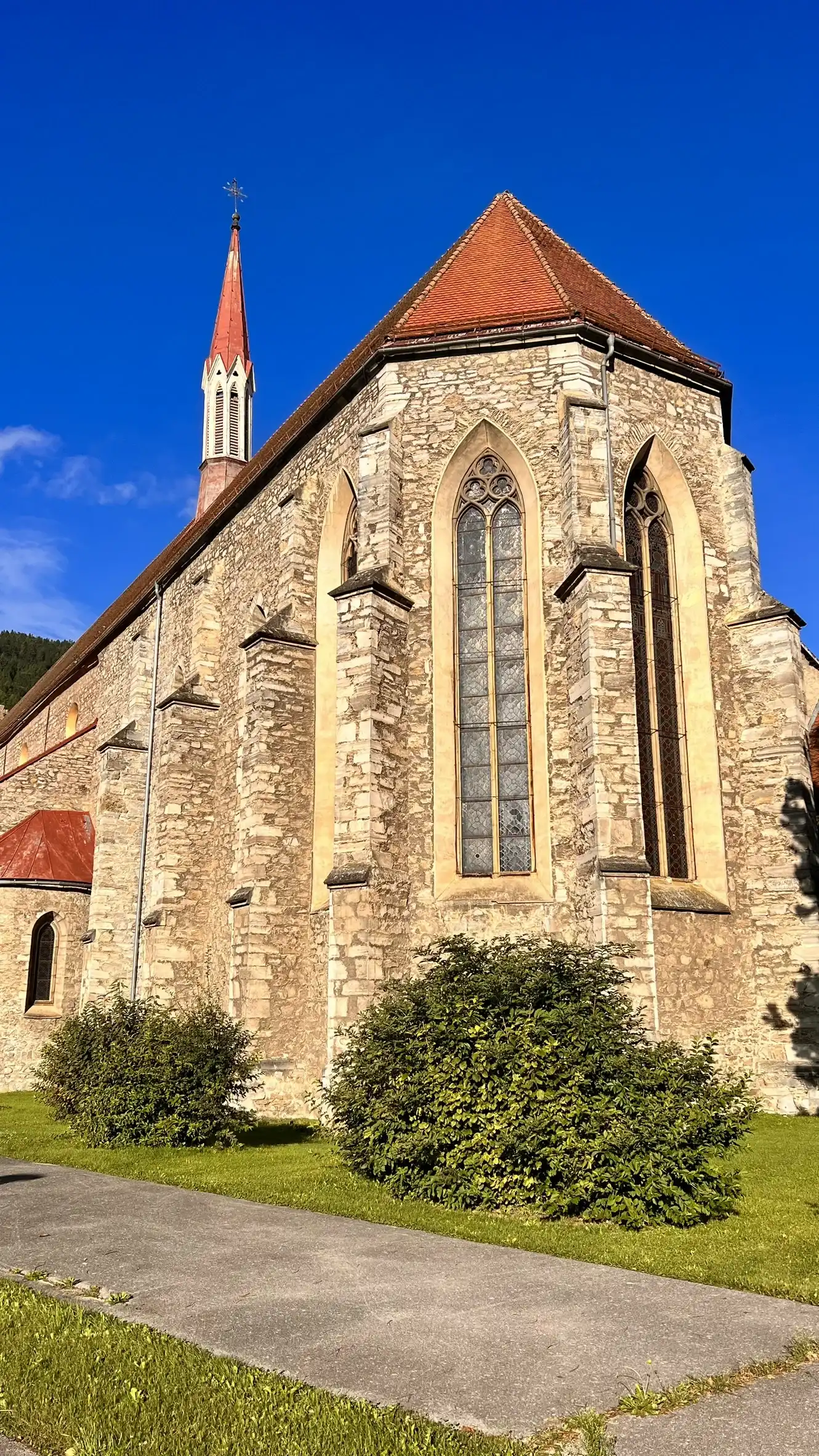
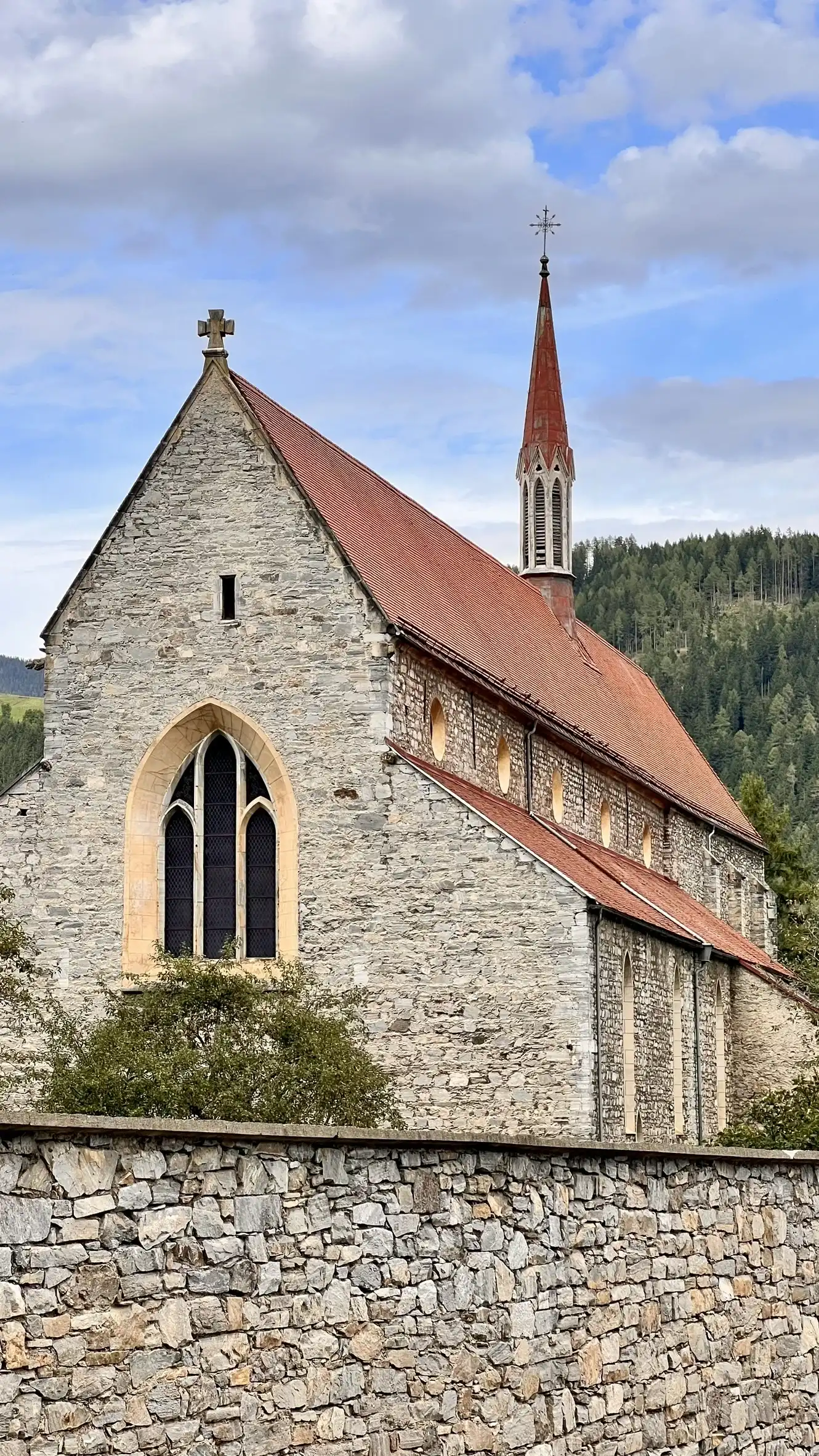
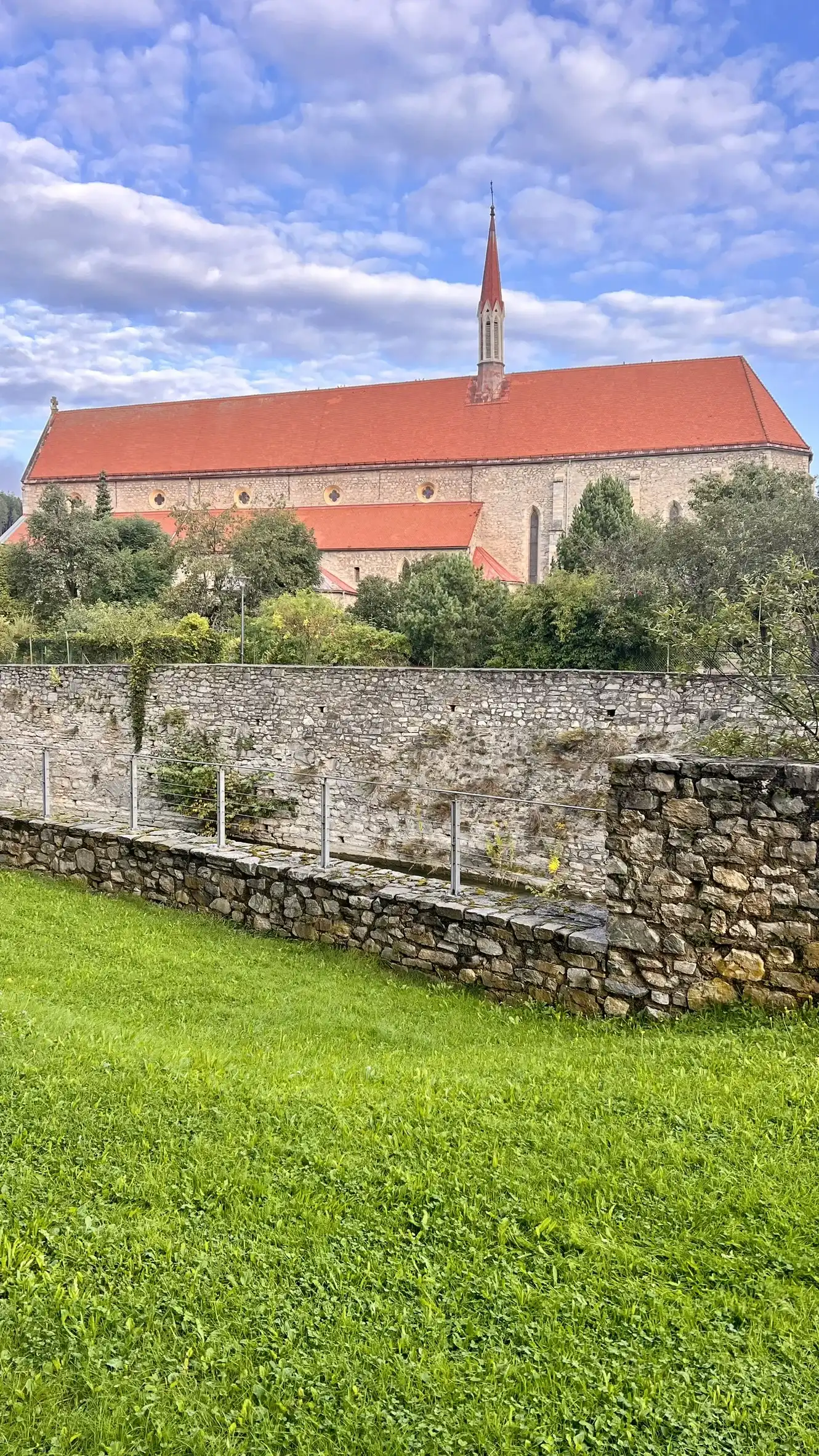
The Dominican Monastery in Friesach, Carinthia
The monastery building, built in 1673 CE, is a simple two-storey building around a square courtyard with a monastery chapel.
In the cloister, there are remarkable gravestones displaying coats of arms from the 13th to 16th centuries.
Dominican Monastery