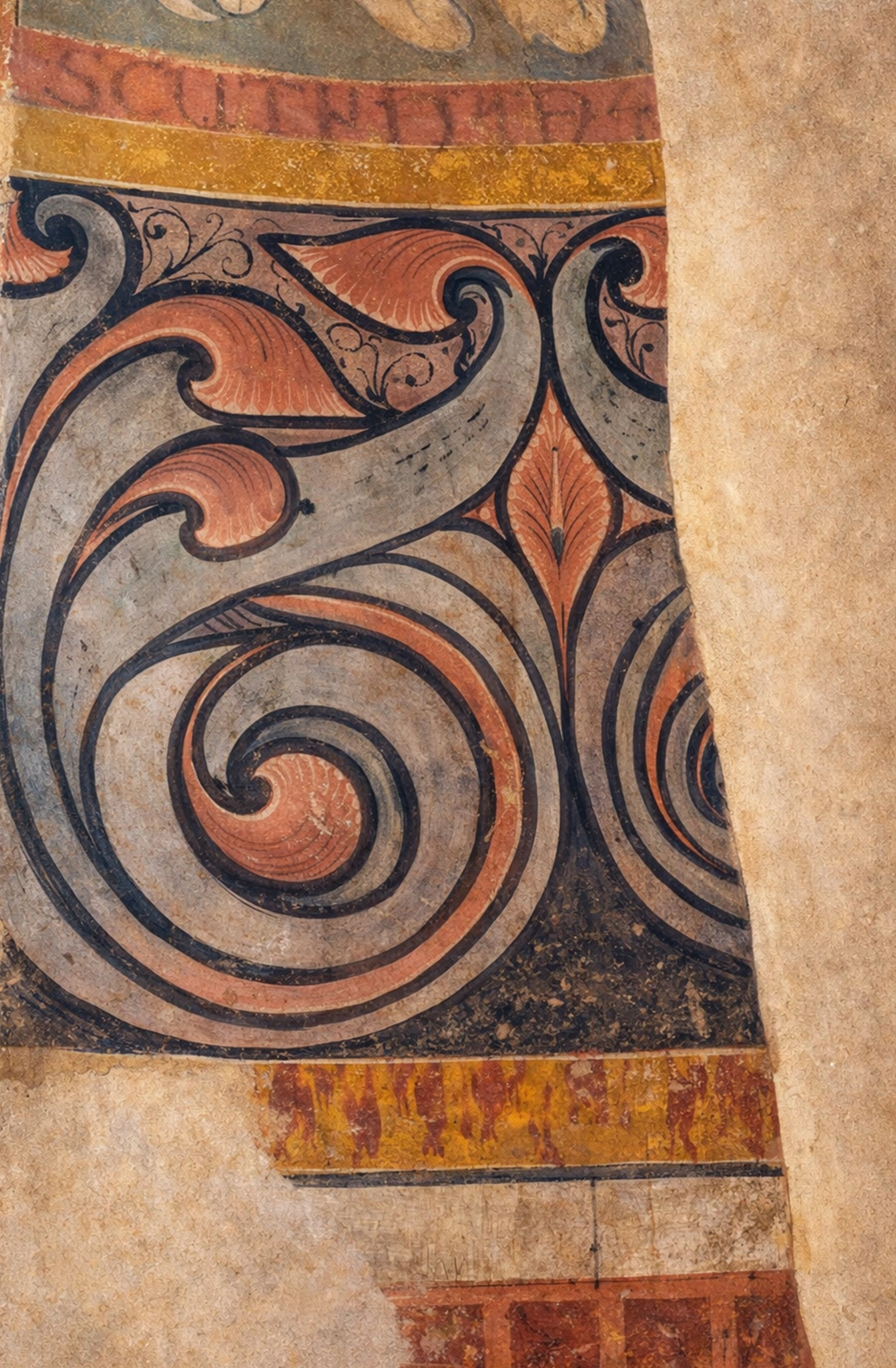
Sources of Colours used in Carinthian Chapel Frescoes
Romanesque and Gothic Periods
Reading Time: 1:30 min
Romanesque Period (11th–13th Centuries)
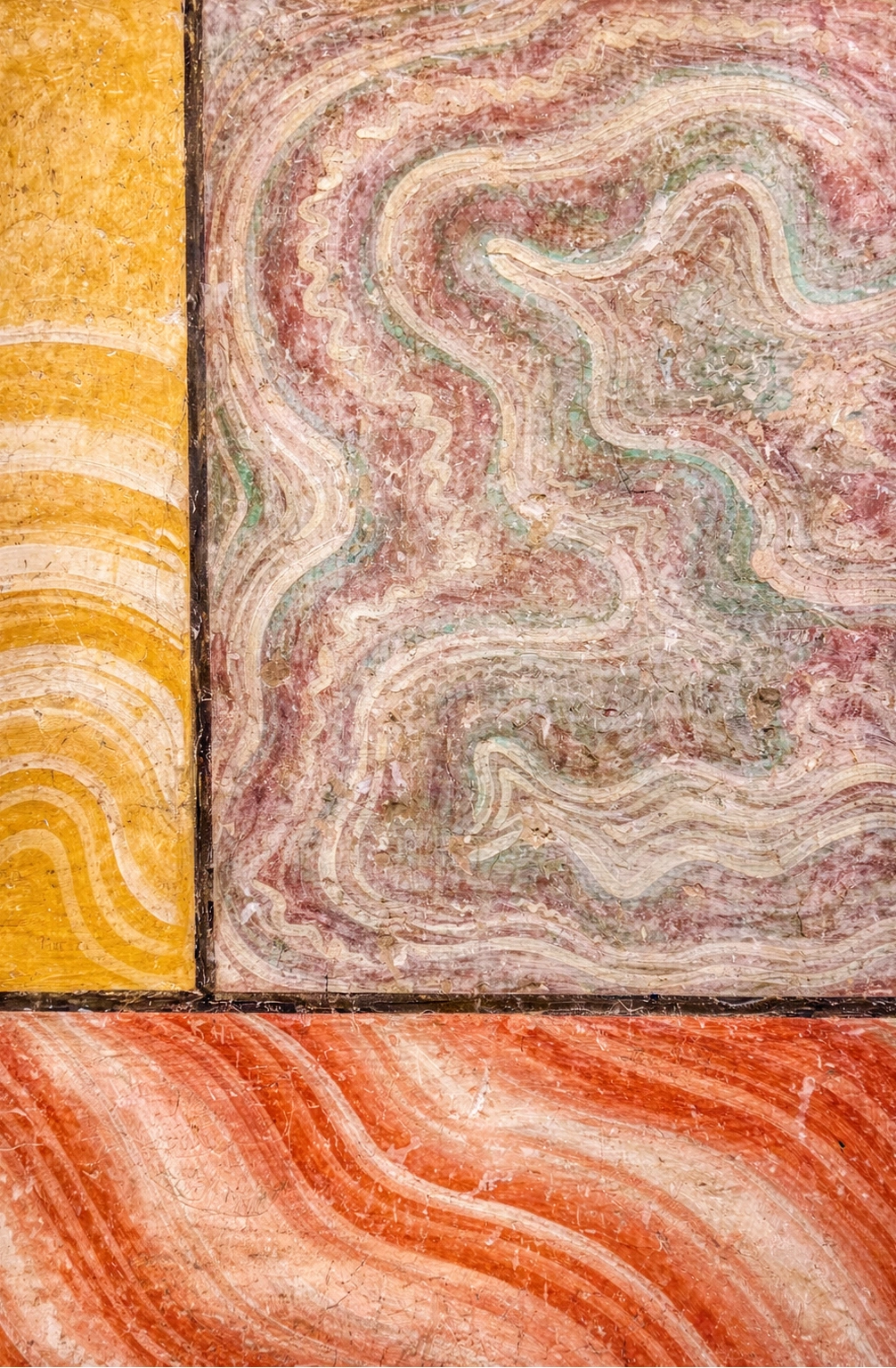
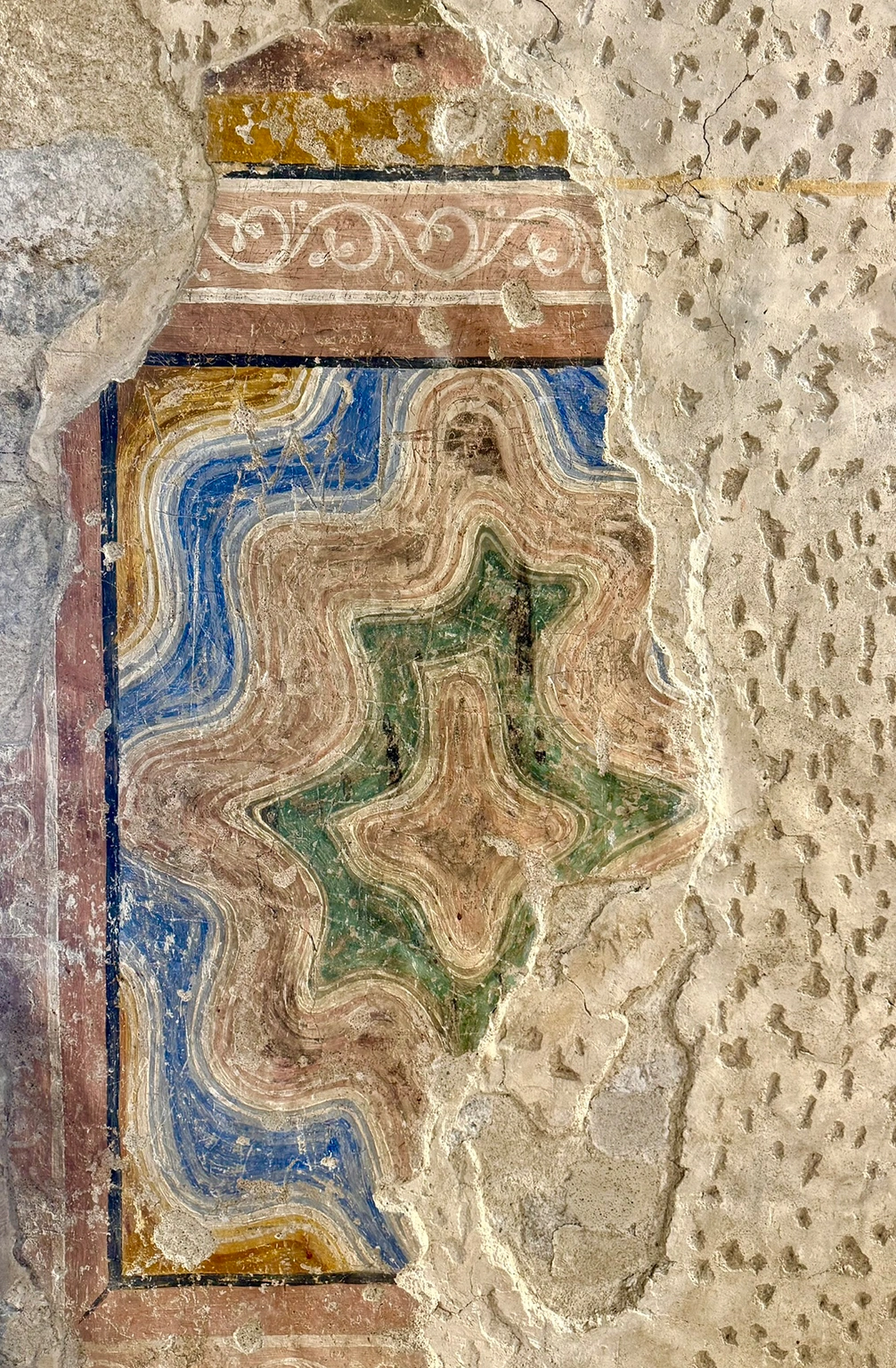
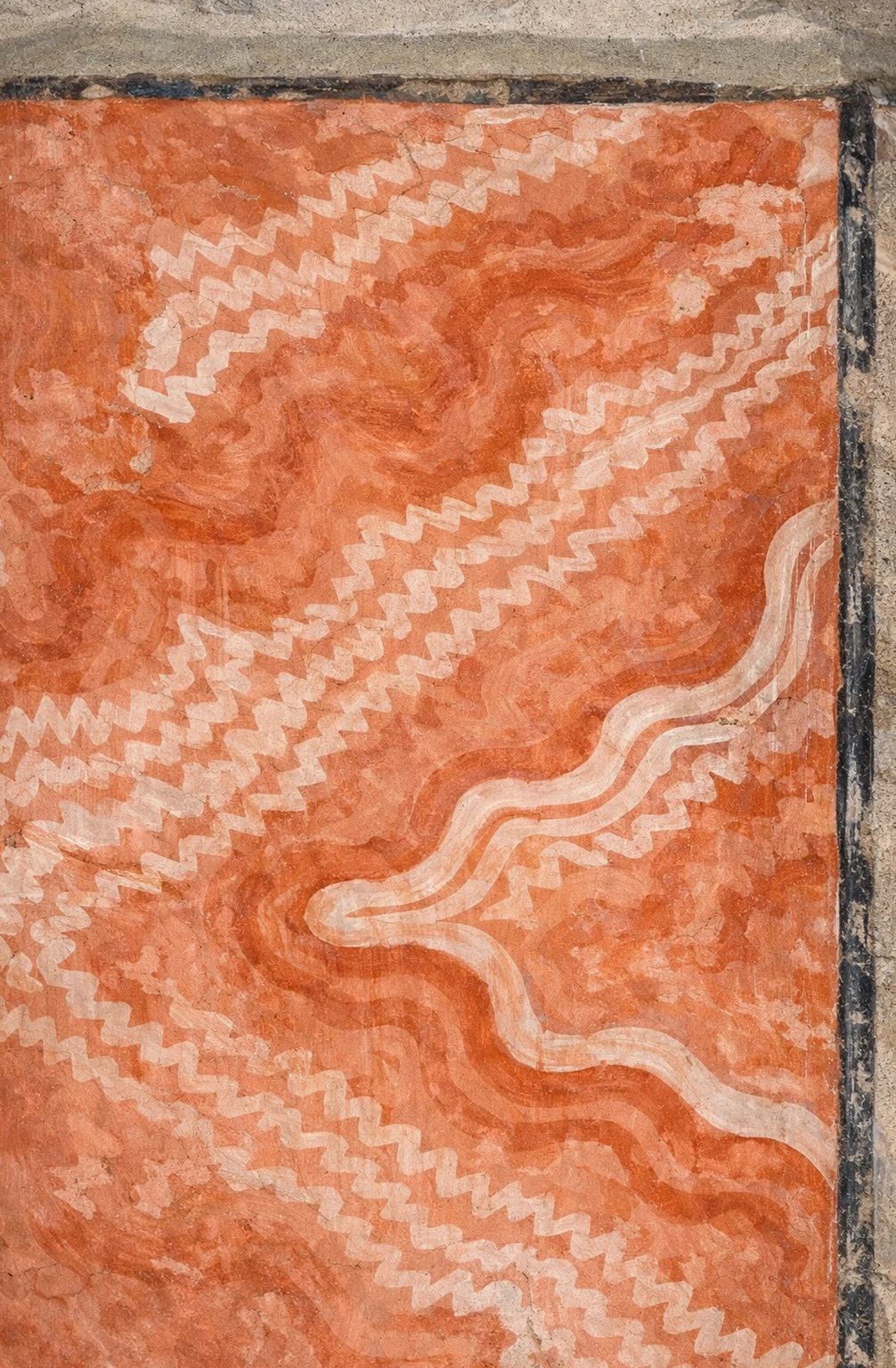
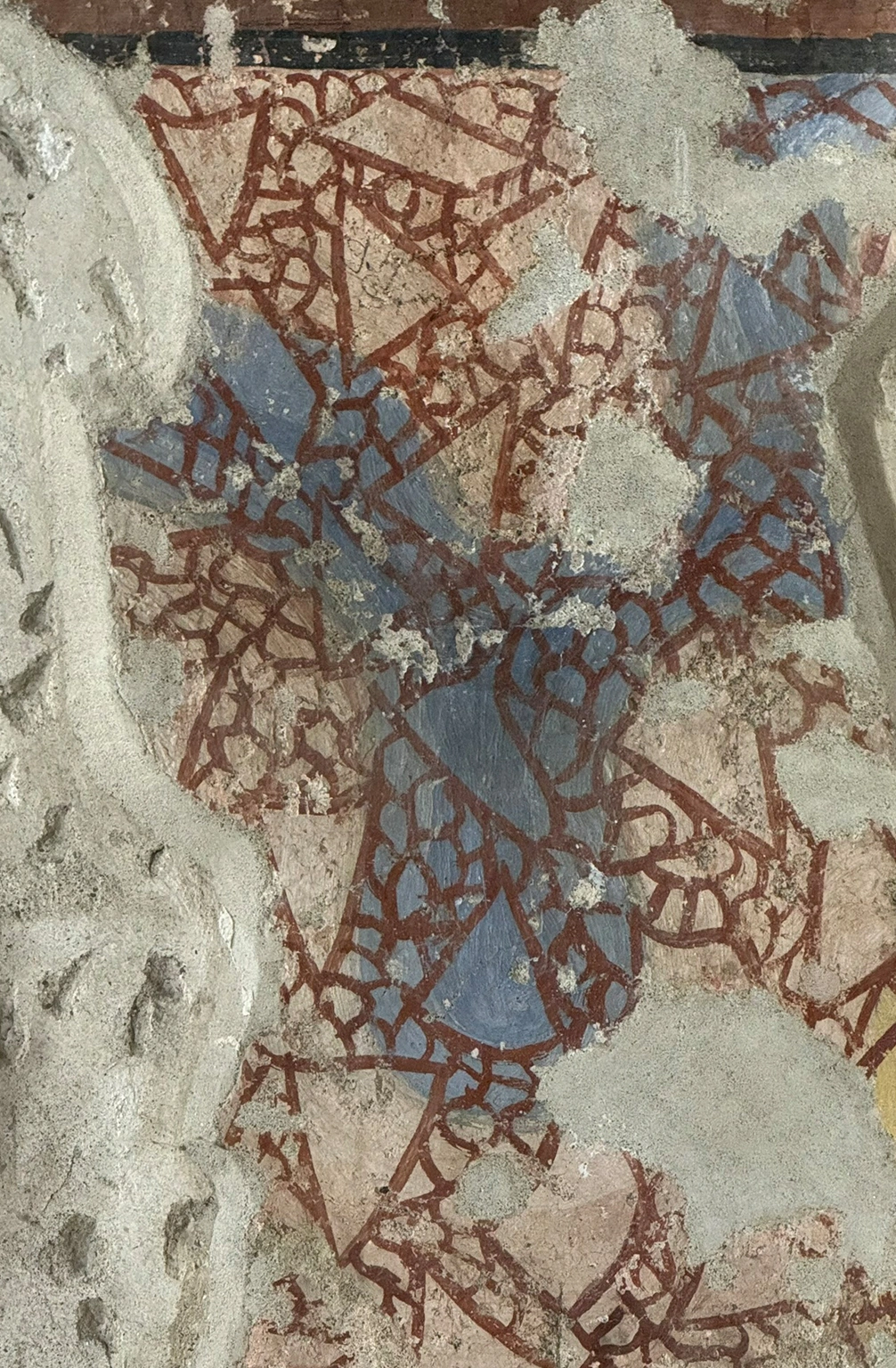
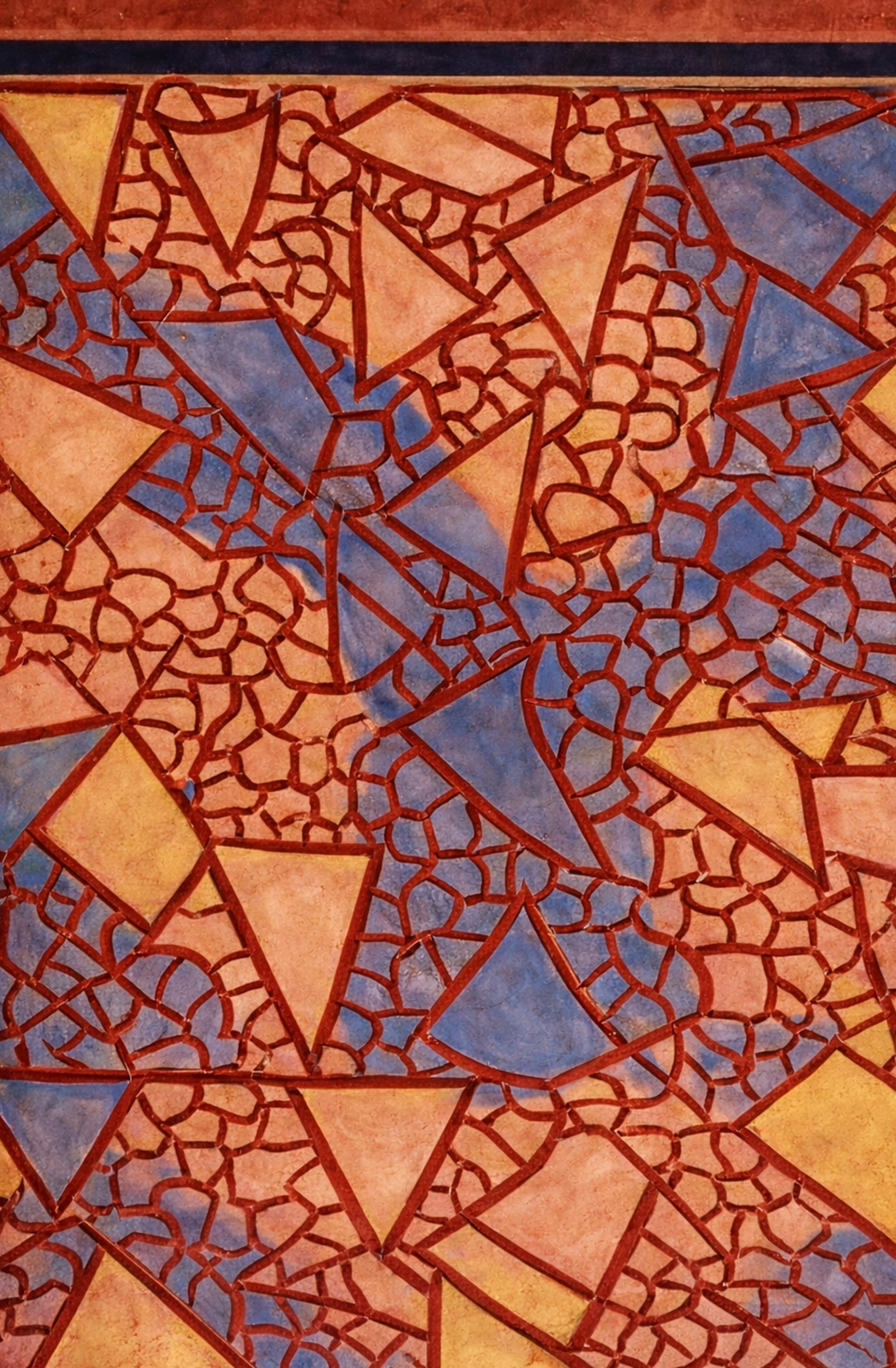
During the Romanesque period, fresco painters in Carinthia primarily used natural mineral and earth pigments.
These included:
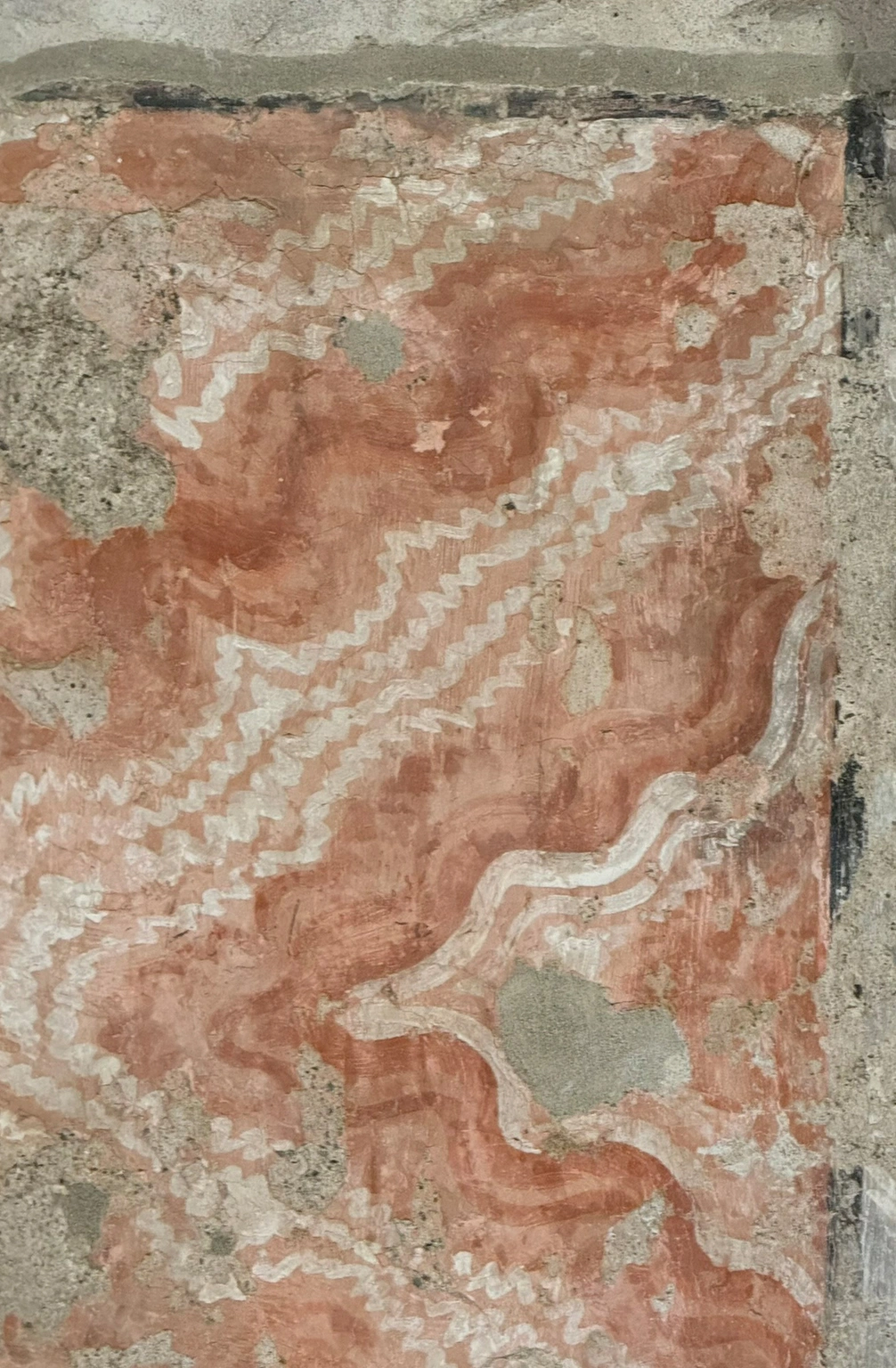
– Red: Made from red ochre (iron oxide) or cinnabar (mercury sulphide).
– Yellow: Ochres and yellow earths.
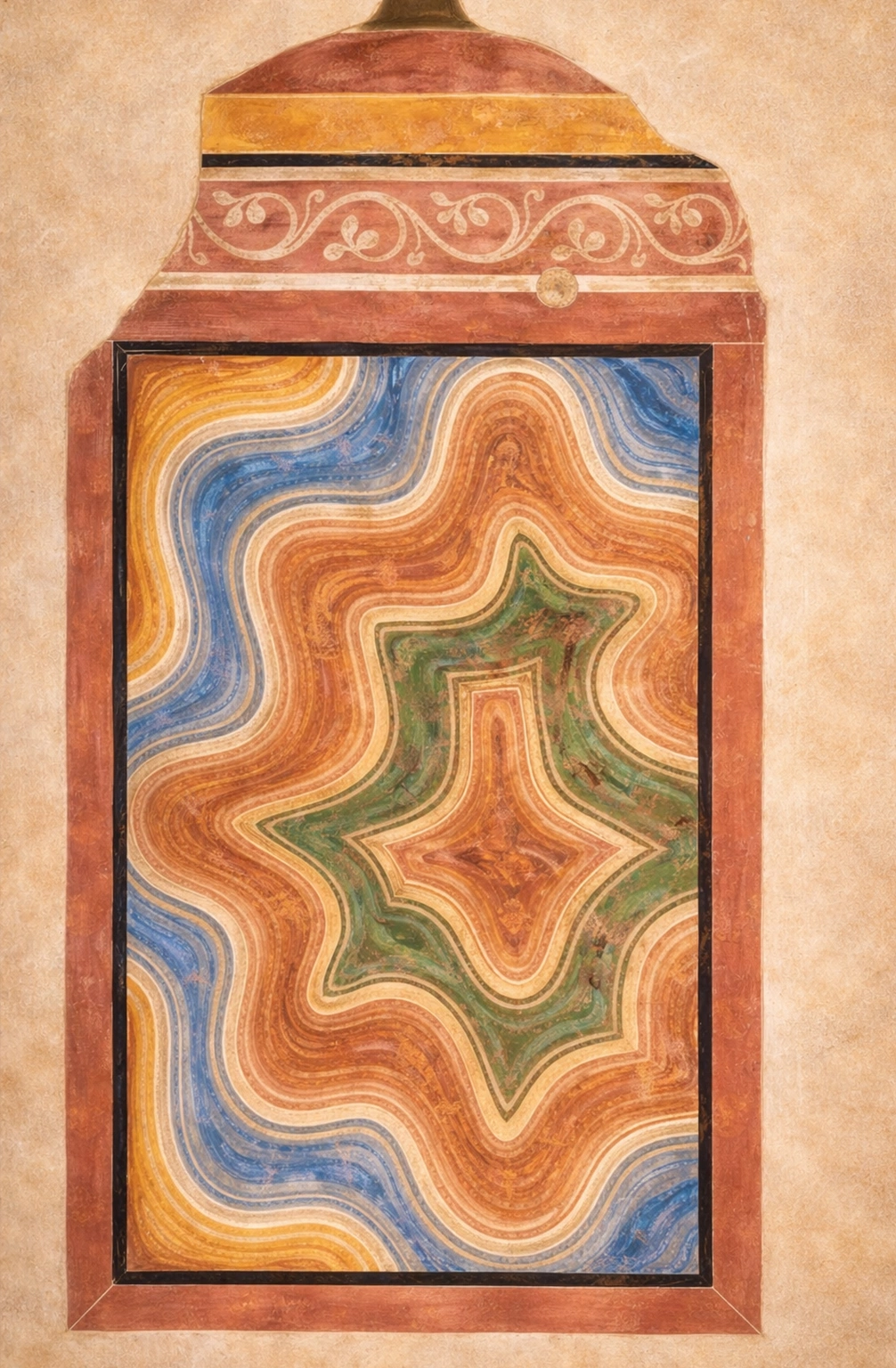
– Blue: Rare and expensive; usually azurite (a copper carbonate) or imported lapis lazuli.
– Green: Verdigris (copper acetate) or mixtures of yellow and blue pigments.
– White: Lime (from the wet plaster itself) or chalk.
– Black: Carbon black from burnt bones, charcoal, or soot.
The colours were mixed with water and applied directly onto the wet plaster (buon fresco), which helped the pigments bond permanently with the wall.
Gothic Period (13th–15th Centuries)
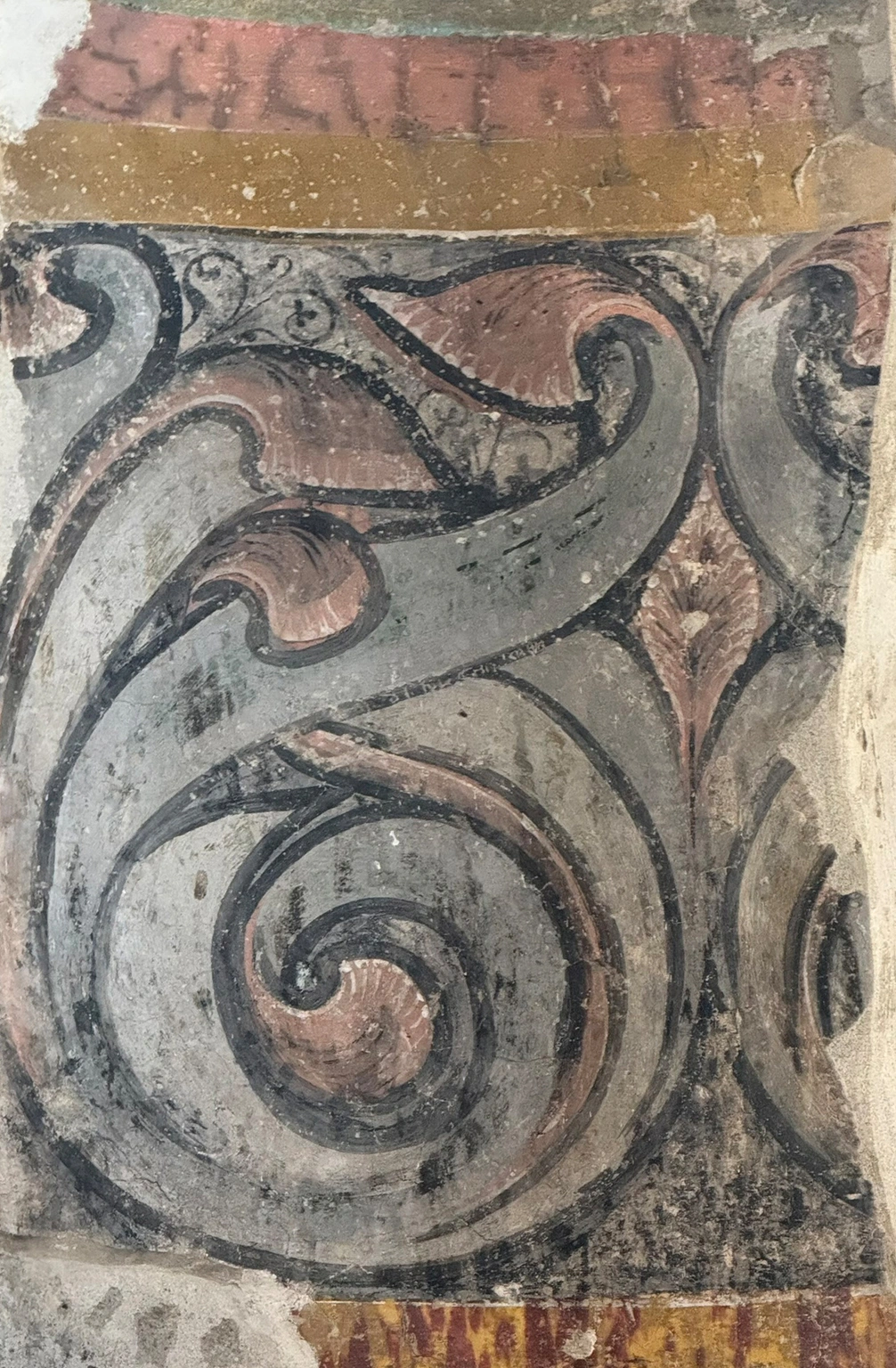
In the Gothic period, the colour palette became richer and more varied, reflecting advances in trade and pigment preparation.
Key sources included:
– Red: Red ochre, cinnabar, and sometimes madder plant-based dyes.
– Blue: Lapis lazuli remained prized for bright ultramarine; azurite was still used.
– Green: Verdigris, malachite, or mixtures of blue and yellow earths.
– Yellow: Ochres and orpiment (arsenic sulphide) for brighter tones.
– Brown: Umber and burnt sienna, providing shading and depth.
– Black & White: Same as Romanesque, with carbon black and lime/chalk.
Gothic painters also sometimes layered pigments and glazes to achieve deeper tones, and a few organic dyes were used to add subtle colour effects.