Pipe Smoking Culture, 19th Century
Carinthia and Austria
Reading Time: 3:10 min
Introduction
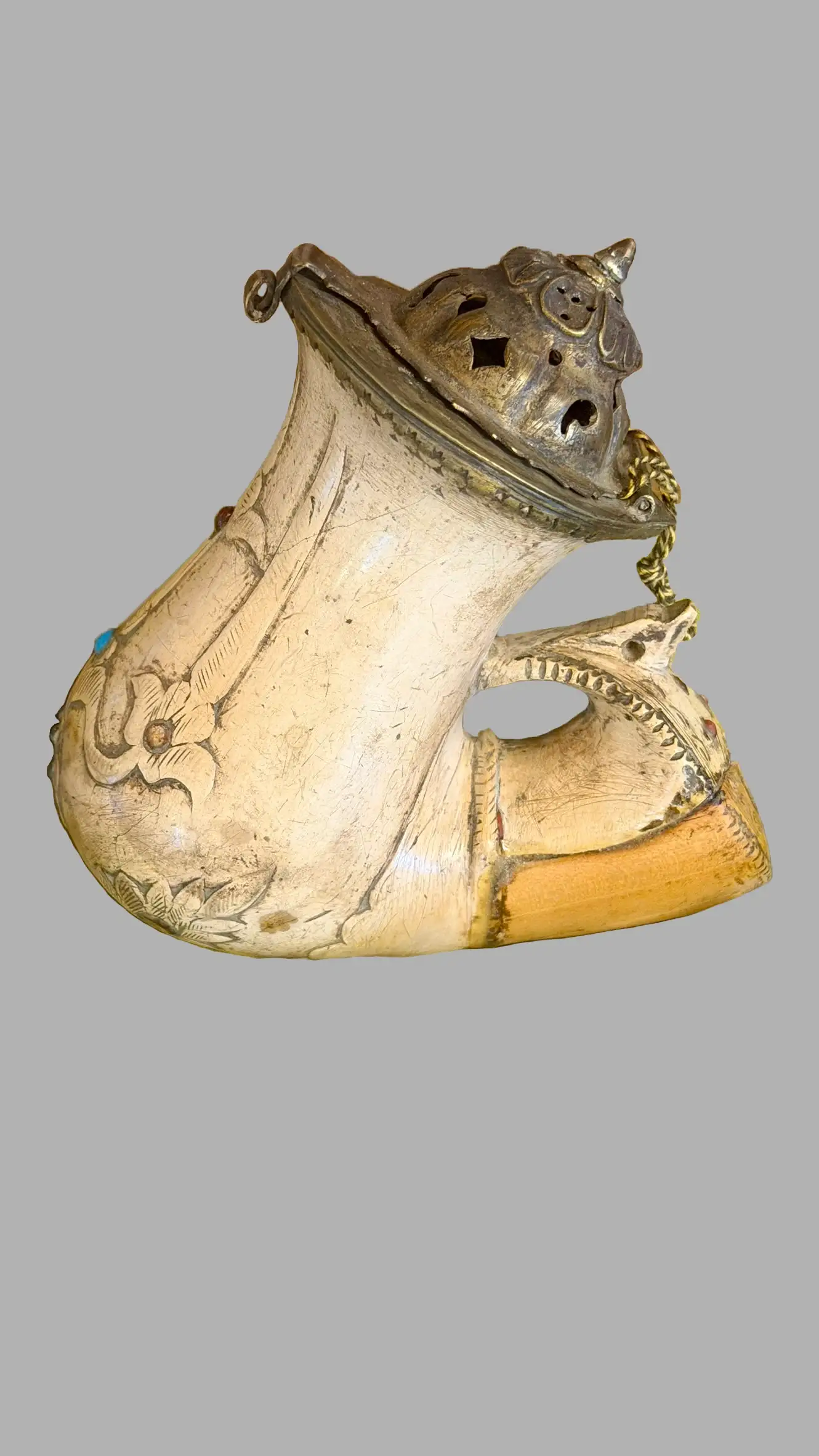
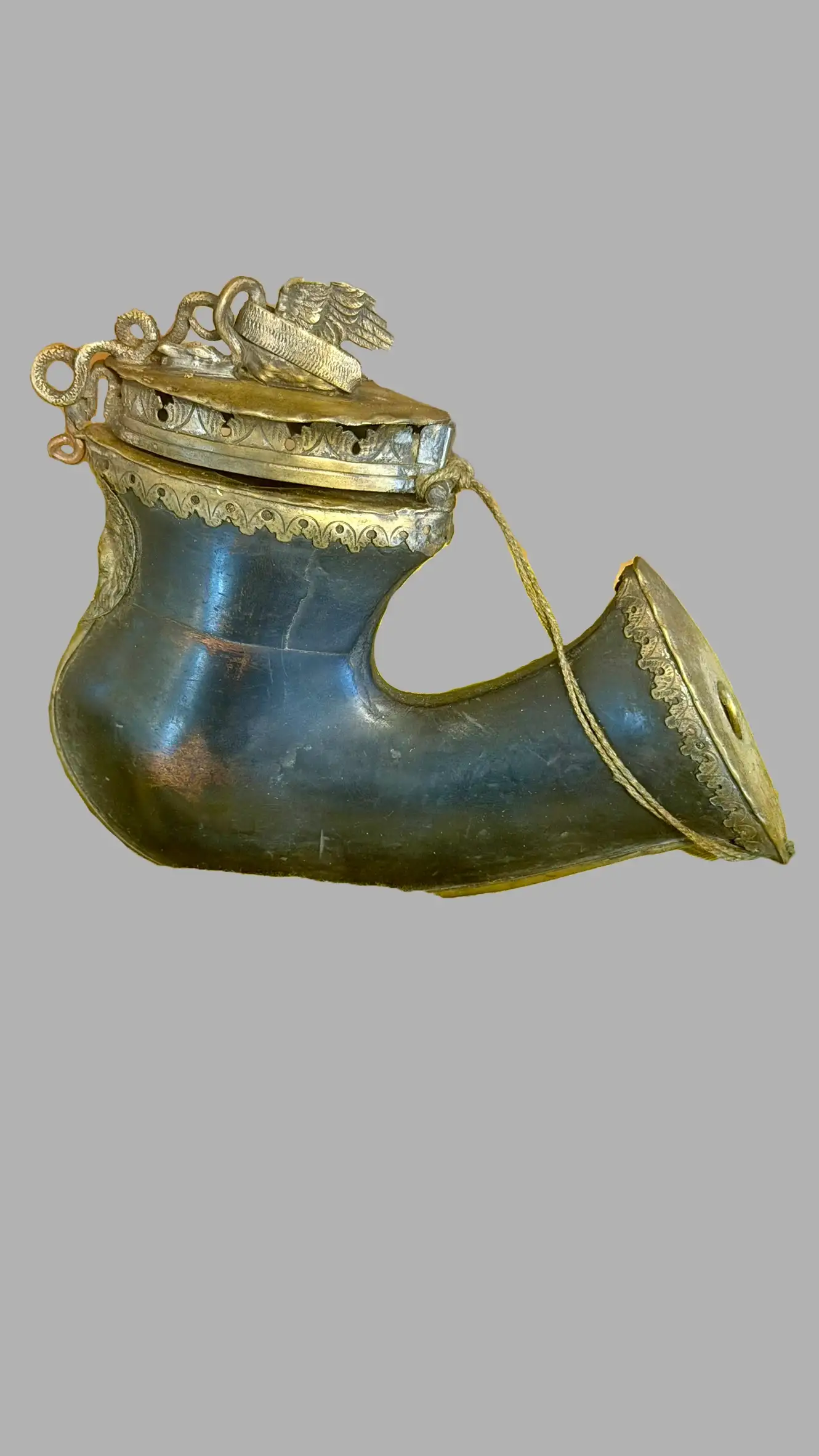
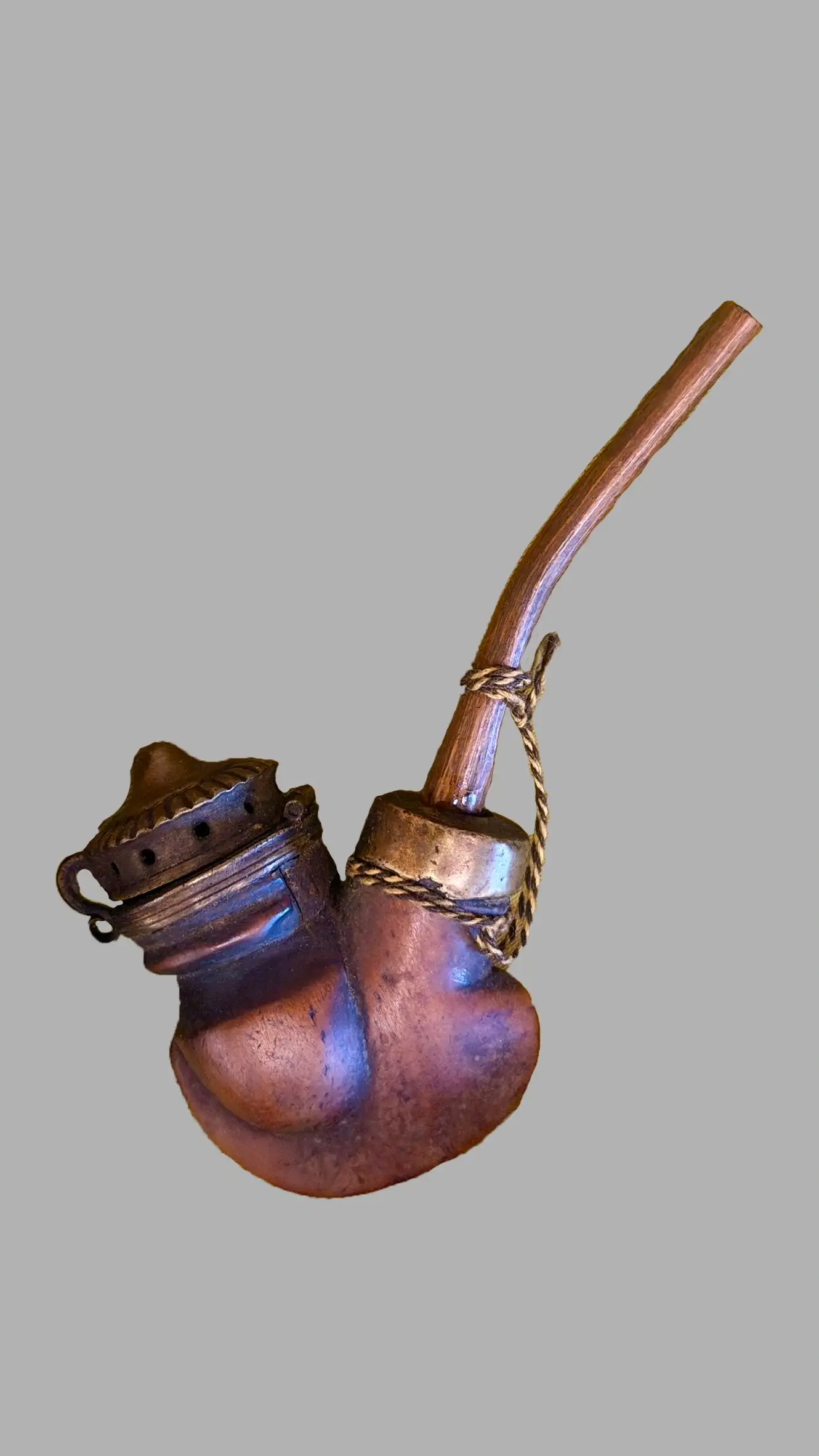
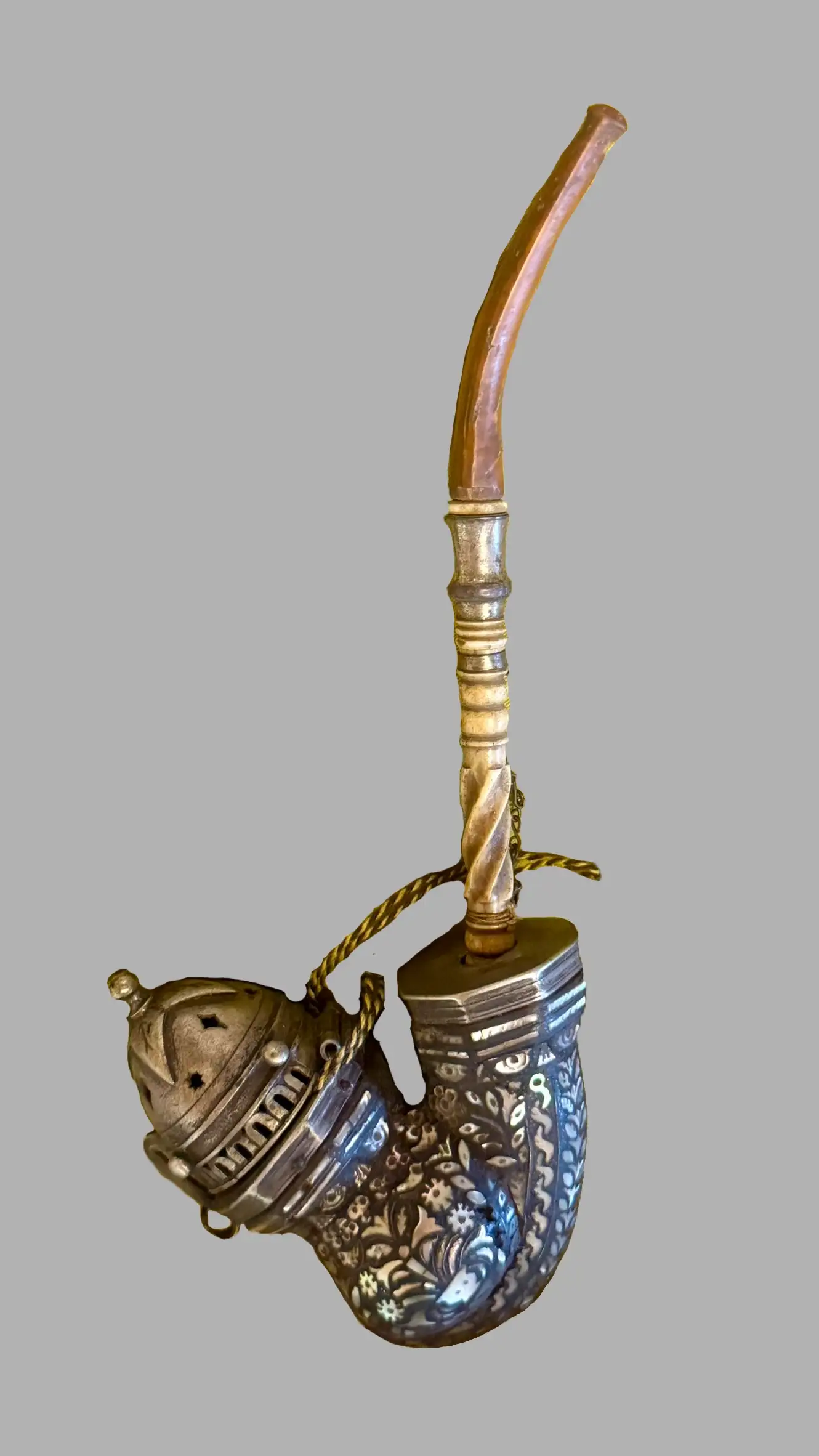
In the 19th century, pipe smoking was a widespread and socially accepted practice across Carinthia and the wider Austrian lands. It served not only as a means of consuming tobacco but also as a symbol of status, leisure, and identity, particularly among men. Pipes were often personalised objects, reflecting regional craftsmanship and individual taste.
Pipe smoking was deeply embedded in everyday life.
Social Ritual
Smoking was a communal activity in inns, workshops, and homes – often accompanying storytelling and music.
Symbol of Identity
Pipes could reflect:
– occupation (guild symbols)
– military service
– regional pride.
Gift Culture
Decorated pipes were popular souvenirs and gifts, especially among soldiers and travellers.
Rural Tradition
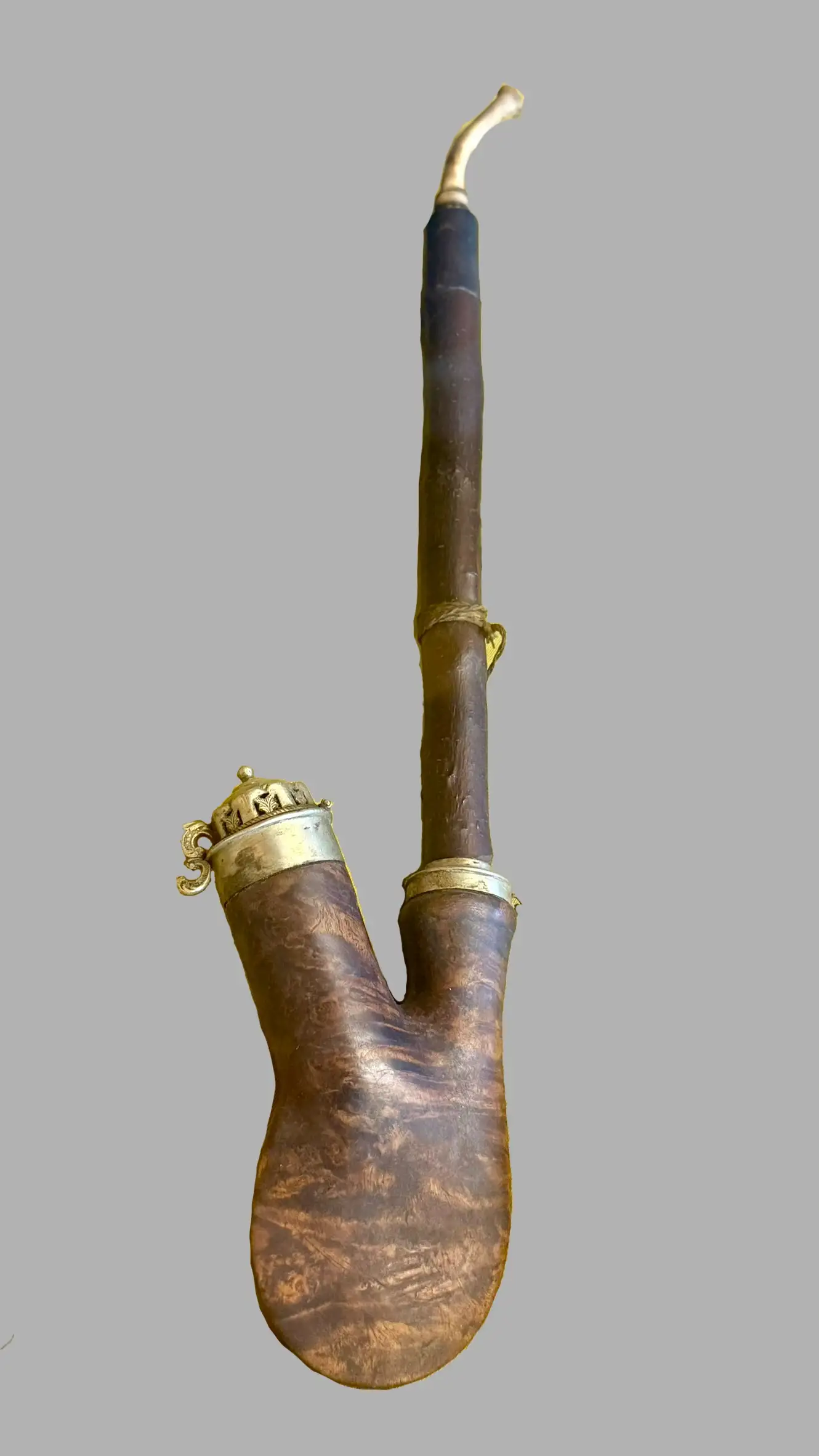
In Alpine regions like Carinthia, long pipes were part of traditional attire, especially among hunters and farmers.
Pipe smoking was predominantly a male activity, though social boundaries varied:
– Peasants and labourers used simple and durable pipes.
– Craftsmen and townsmen favoured more decorative or personalised pieces.
– Soldiers commonly used pipes in military life and often carried ones with symbolic motifs.
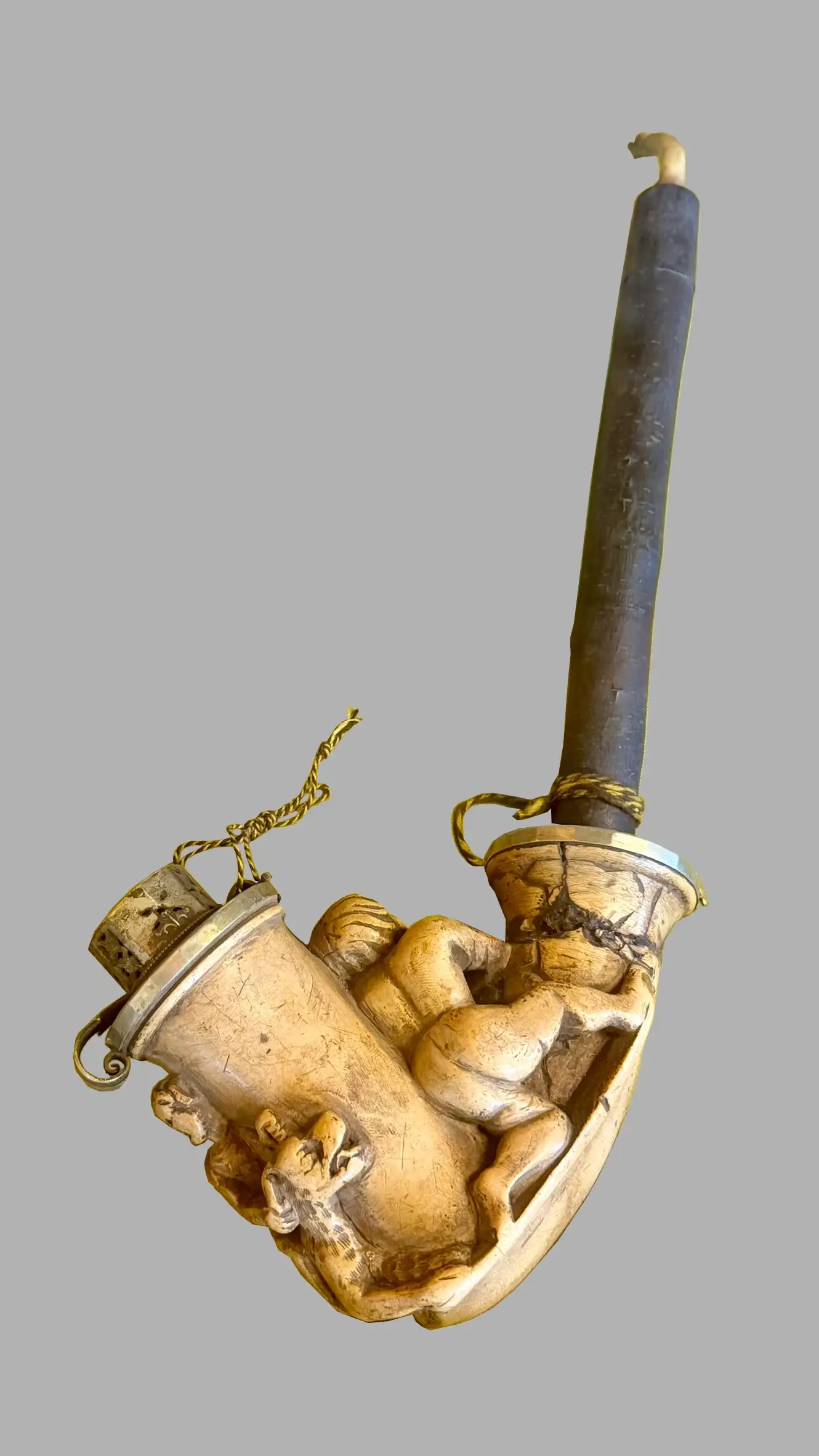
– The nobility and the bourgeoisie preferred finely crafted meerschaum or porcelain pipes.
Pipes could signal regional identity, profession, or even political affiliation.
Tobacco was not native to Europe and was imported.
Tobacco was initially imported from the Americas, especially Virginia and the Caribbean.
It was later cultivated within the Habsburg Empire, including regions of present-day Hungary.
It was processed into various forms, including cut tobacco, pressed cakes, and flavoured blends.
The state often controlled tobacco production and sale through monopolies, making it an important source of revenue.
Pipes and tobacco were widely available.
Tabaktrafiken were licensed shops that sold tobacco and smoking accessories.
At markets and fairs, local craftsmen sold handmade pipes.
In workshops, specialised pipe makers produced pieces, especially in meerschaum and porcelain.
Urban shops offered imported and luxury goods.
In Austria, the regulated tobacco trade meant that official outlets played a central role in distribution.
Early 19th Century:
Pipes were still relatively simple, with clay or wooden bowls and modest decoration.
Biedermeier Period:
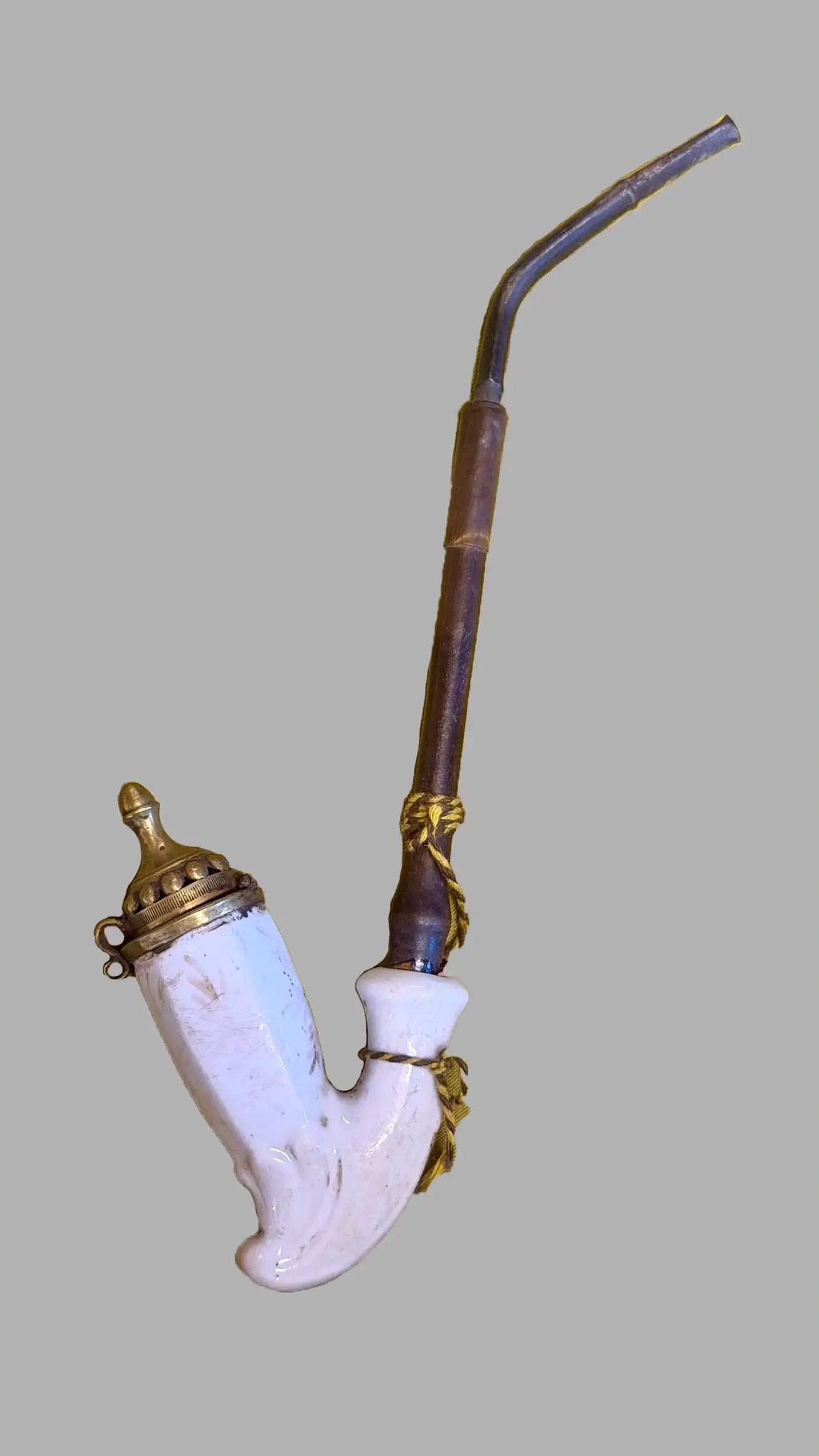
Increasing emphasis on craftsmanship, domestic culture, and personal objects. Porcelain bowls became popular, often hand-painted with:
– landscapes
– religious scenes
– regimental insignia.
Mid–Late 19th Century:
Industrialisation enabled mass production, but handcrafted pipes remained valued. Materials diversified, and detachable components became standard.
Late 19th Century:
Introduction of vulcanite mouthpieces and more standardised forms, while decorative traditions continued in rural regions like Carinthia.
Pipes were made from a variety of materials, each influencing durability, taste, and cost:
– Clay was inexpensive and widely used, especially earlier in the century.
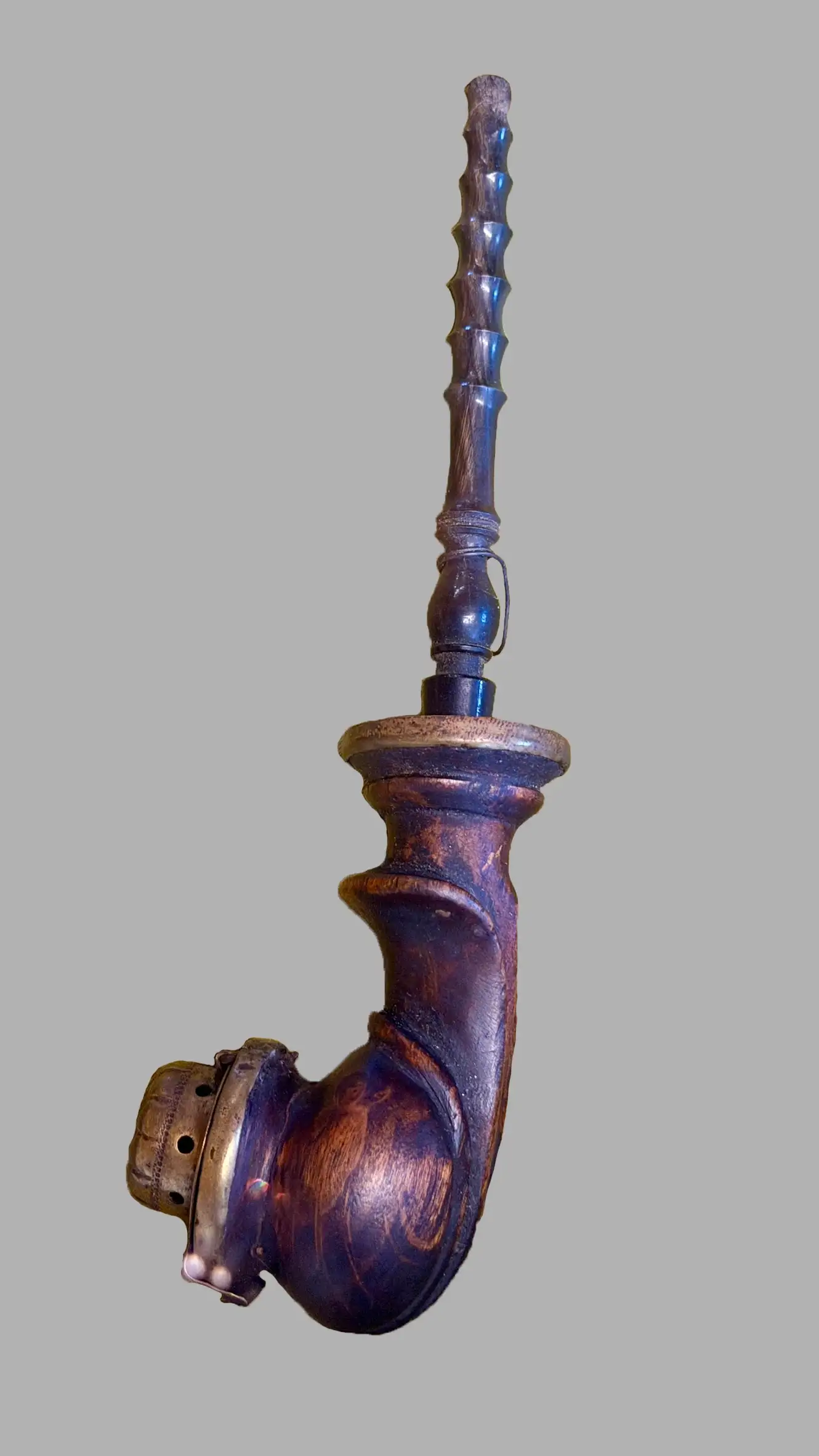
– Wood, particularly cherry wood, was common in Central Europe.
– Meerschaum is a soft white mineral (hydrated magnesium silicate). It was highly prized for its ability to absorb nicotine and develop a rich patina over time.
– Porcelain bowls were often decorated with painted scenes, coats of arms, or inscriptions.
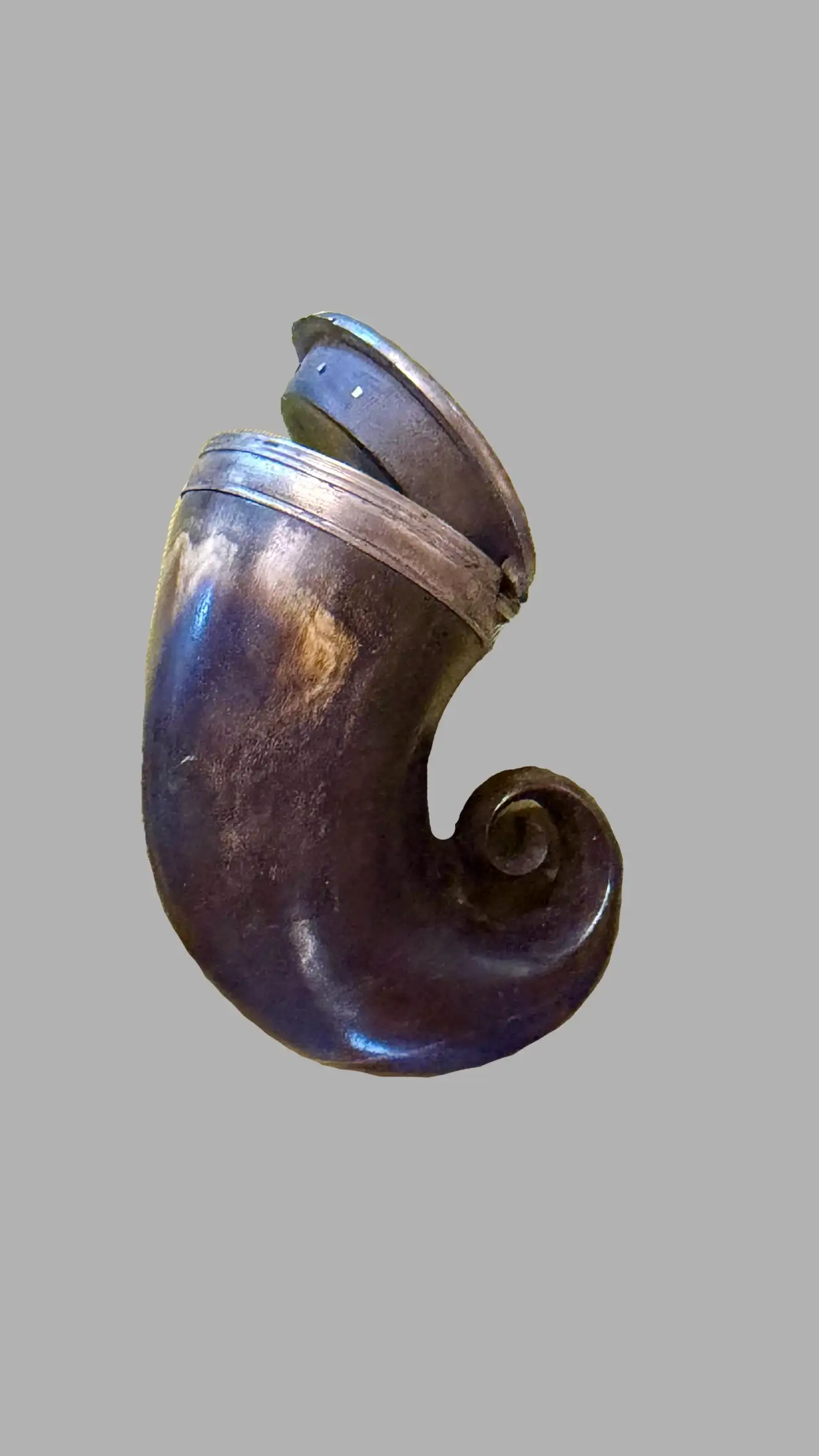
– Horn and bone were used for mouthpieces and decorative elements.
Material vs. Uses
fired clay material | earlier, more utilitarian bowls
wood (cherry, beech) | stems
porcelain | more expensive bowls (often painted)
horn and bone | mouthpieces
vulcanite | later 19th-century mouthpieces
metal (silver, brass, pewter) | mounts and lids
Several specialised crafts contributed to pipe-making:
Ceramics and Porcelain Painting
Fine bowls produced in workshops and decorated with detailed imagery.
Woodworking
Turning and shaping long wooden stems.
Metalworking
Creating mounts, lids, and decorative fittings.
Horn and Bone Craft
Shaping mouthpieces from organic materials.
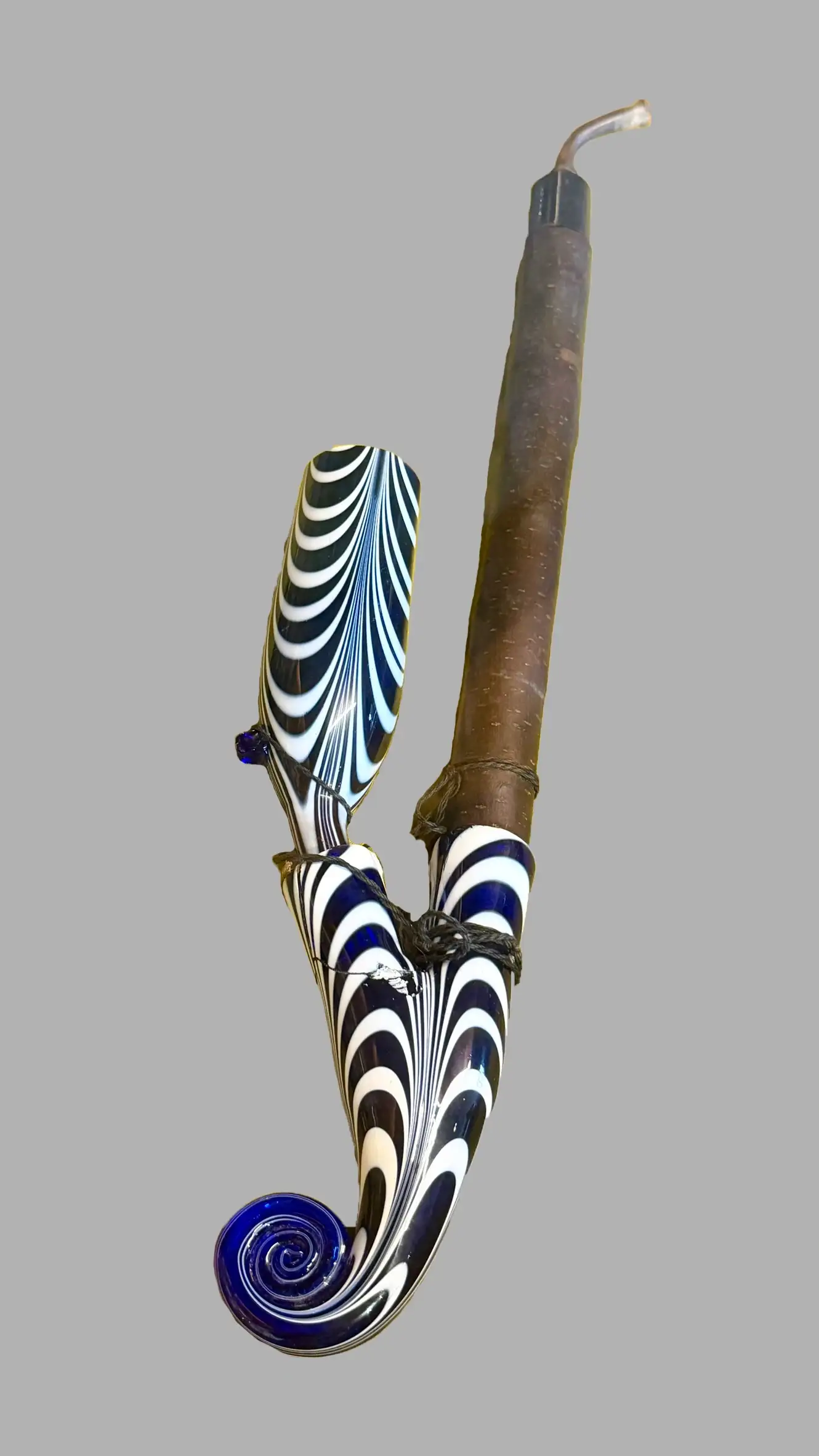
Glass Painting
Rare inserts or decorative elements.
These crafts often operated in collaboration, making each pipe a composite work.
Parts vs. Functions of a 19th Century Pipe
The bowl held the tobacco and was often the most decorative part.
The stem (shank) connected the bowl to the mouthpiece and channelled the smoke.
The mouthpiece (bit) is where the smoker inhaled and was designed for comfort.
An optional lid served as a metal cover to protect the burning tobacco, especially outdoors.
In some pipes, a condensation chamber reduced moisture and improved the smoking experience.

1 | bowl
2 | tobacco chamber
3 | airway (inside the shank and mortise)
4 | shank
5 | mortise
6 | tenon
7 | stem
8 | mouthpiece
9 | bit
10 | bore (of the mouthpiece and stem)