Porcelain Objects, 19th Century
Carinthia and Austria
Reading Time: 1:40 min
Introduction
In the nineteenth century, porcelain became an essential feature of refined domestic life across Austria, including Carinthia. Both decorative and practical, these finely crafted objects reflected changing tastes, technical innovation, and the growing availability of luxury goods beyond aristocratic circles.
Types of Objects
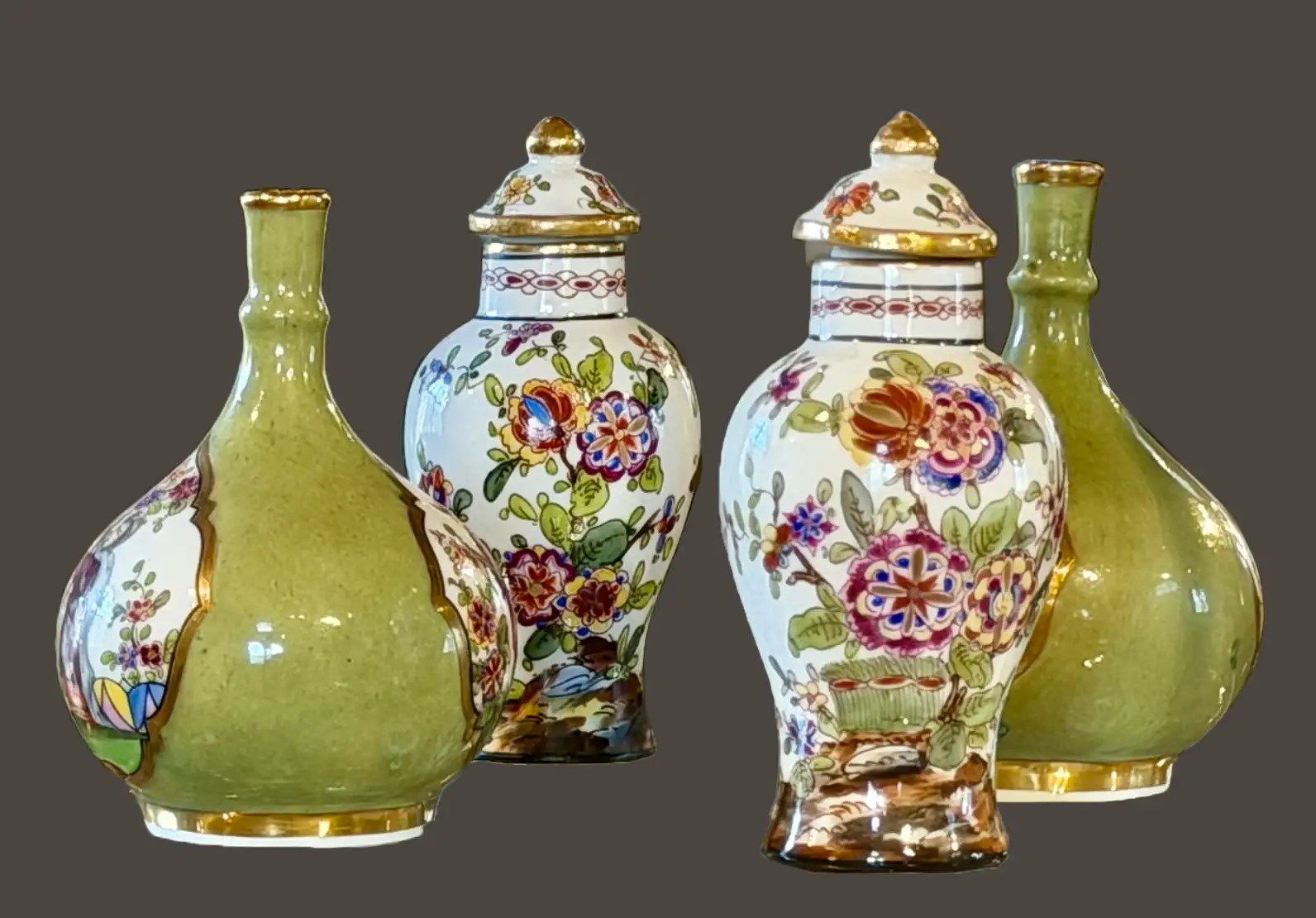
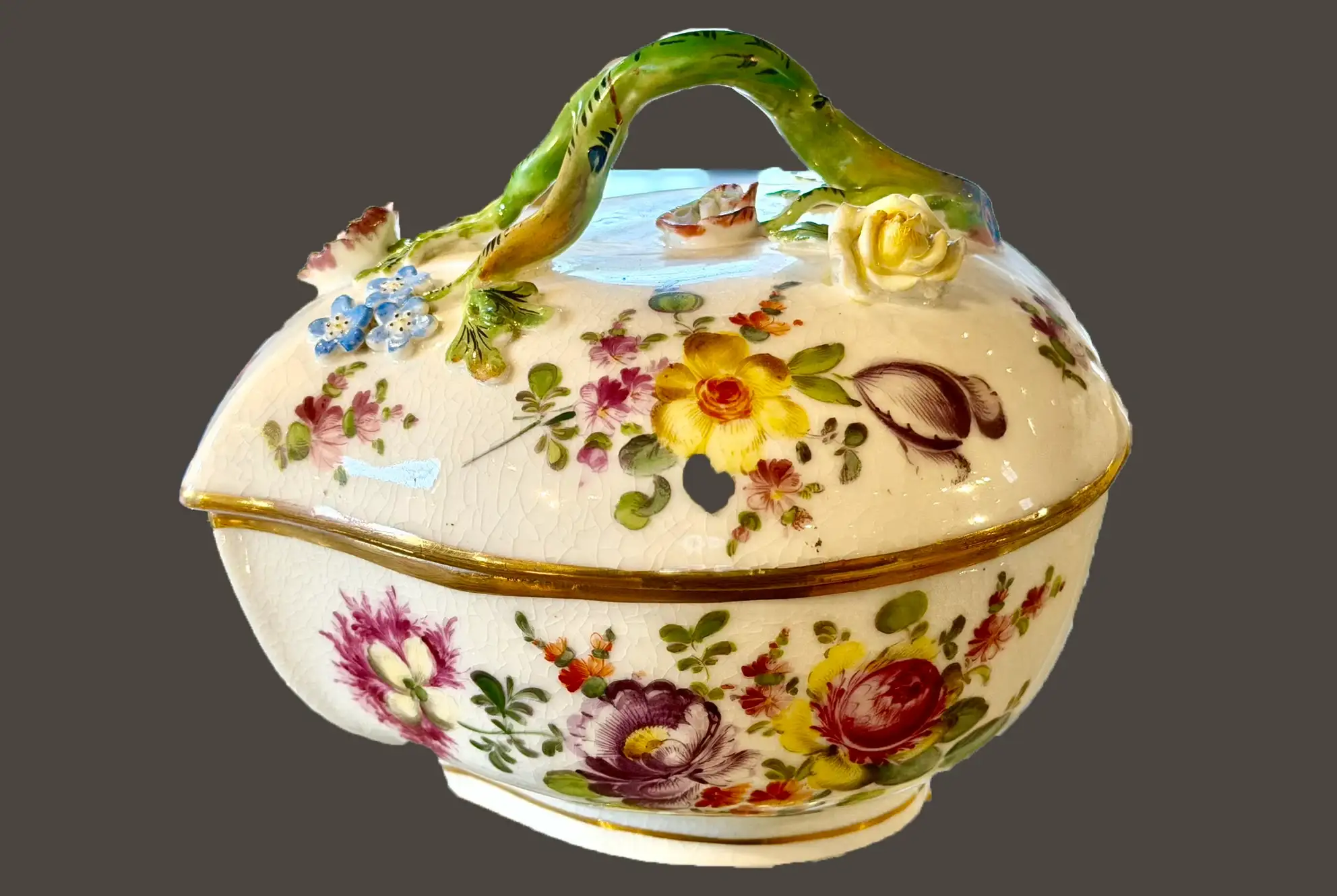
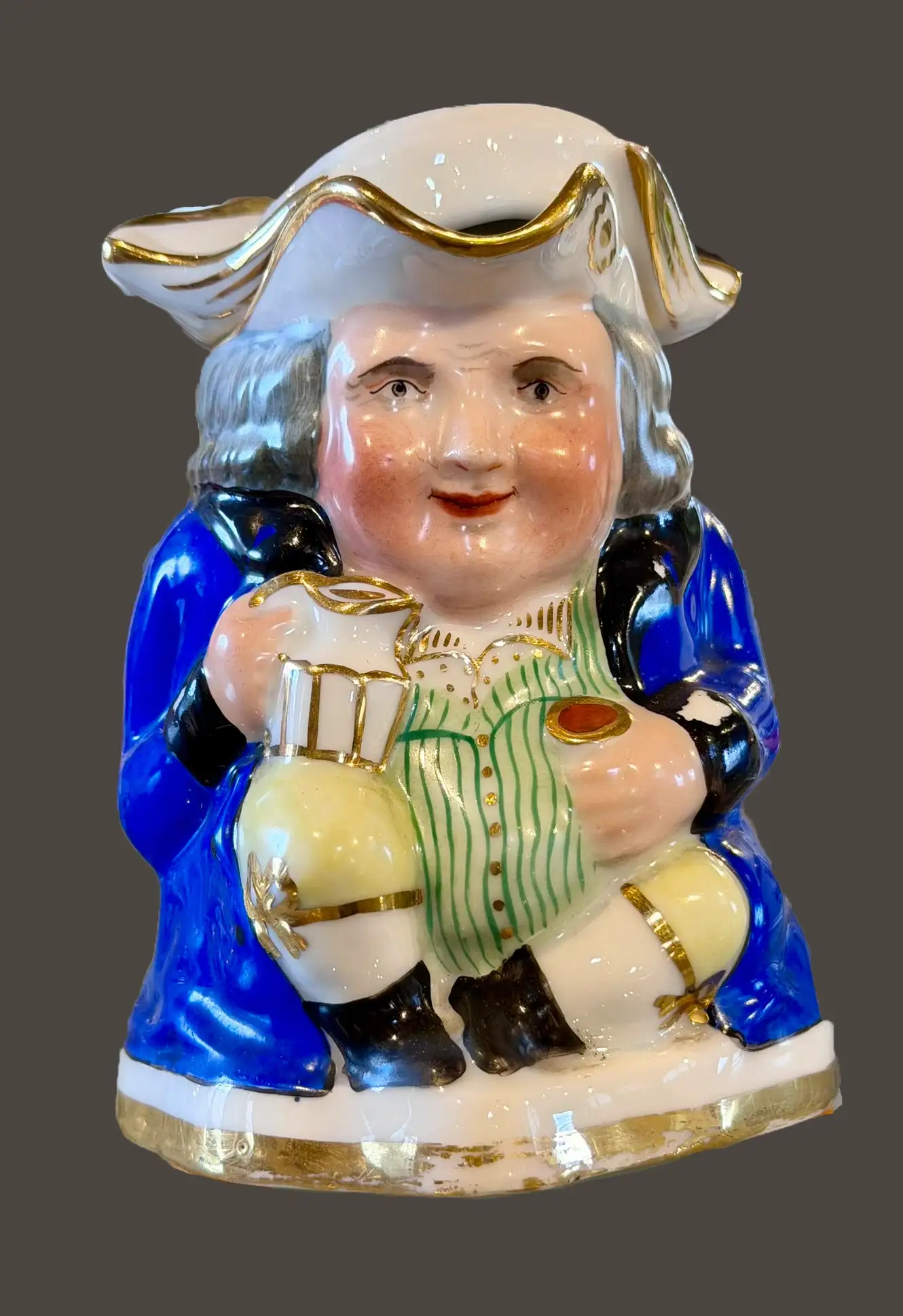
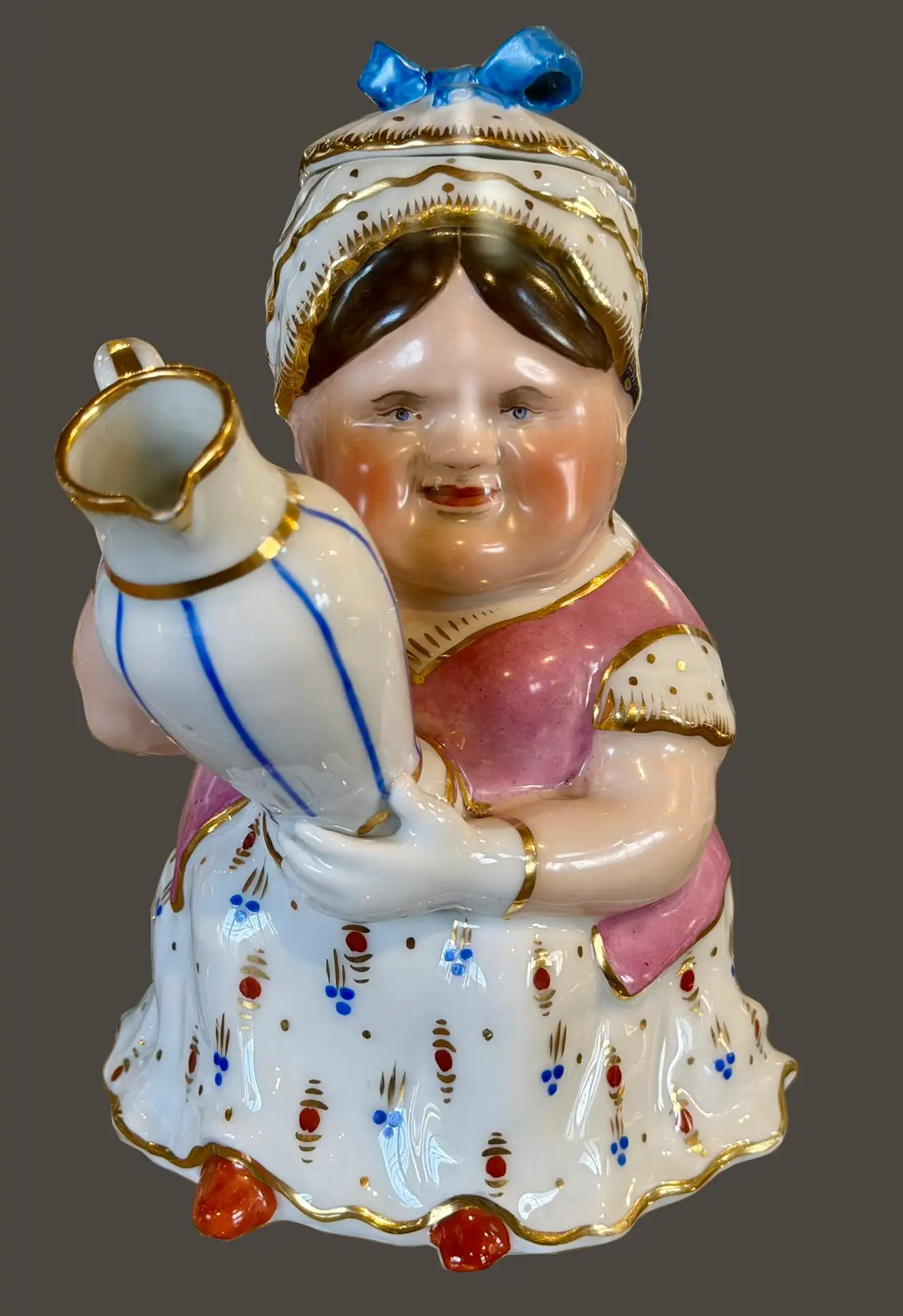
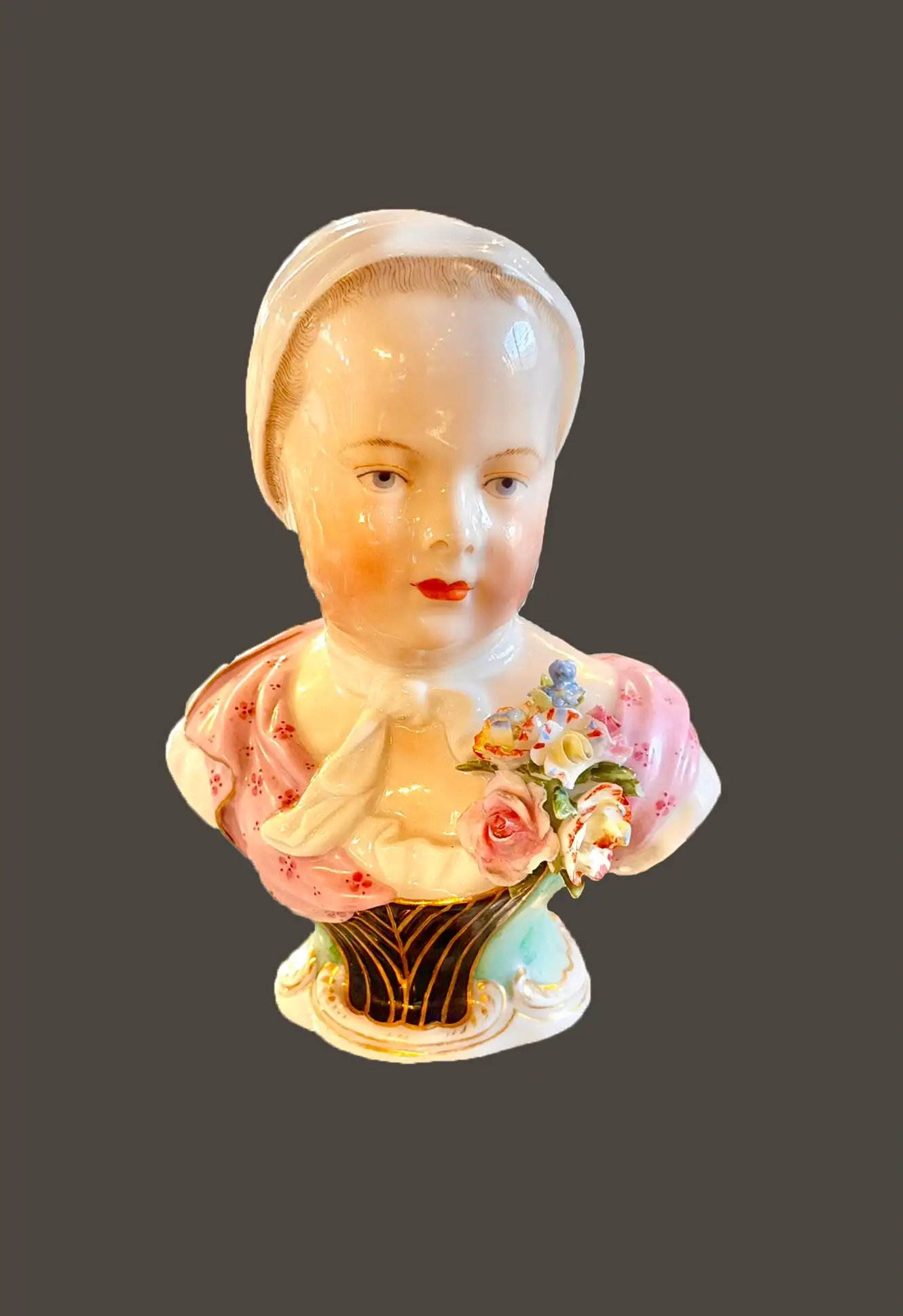
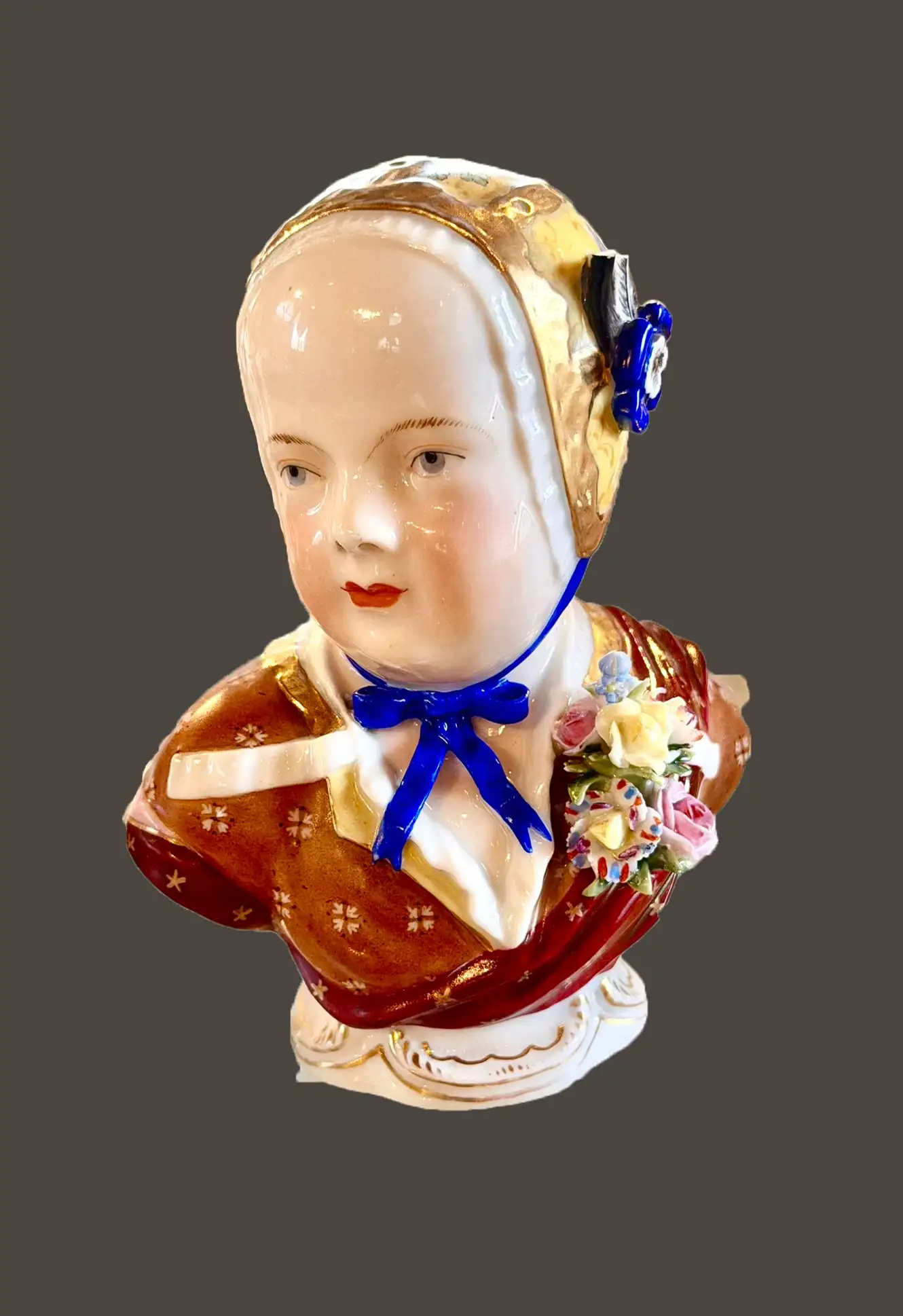
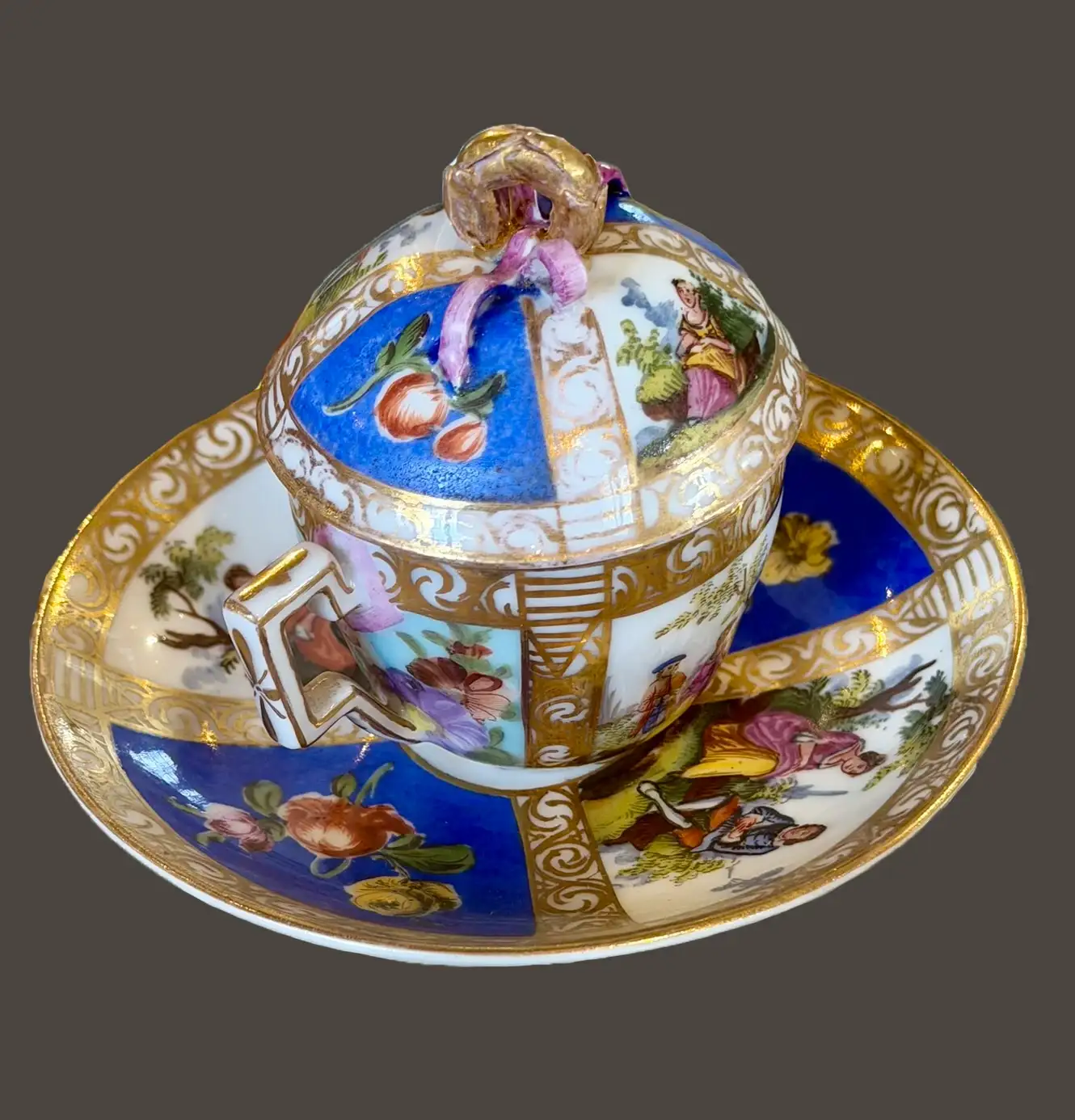
A wide variety of forms was produced. Elegant vases adorned interiors as symbols of taste and status, while lidded containers served for storage of sugar, spices, or cosmetics. Delicately modelled figurines depicted pastoral scenes, mythological subjects, or fashionable society. Complete tea and coffee services – including cups, saucers, pots, and milk jugs – were central to social rituals, while other objects ranged from plates and bowls to writing accessories and ornamental items.
Types of Porcelain
The porcelain used was primarily hard-paste porcelain, developed in Central Europe in the eighteenth century and perfected in the nineteenth. Made from kaolin clay, feldspar, and quartz, it was fired at high temperatures to produce a strong, white, and slightly translucent material. In some cases, soft-paste porcelain or hybrid forms were also employed, particularly in earlier decades or smaller workshops.
Technique
Production required a high degree of technical skill. Craftsmen shaped vessels on the potter’s wheel or in moulds, while sculptors modelled intricate figurines by hand. After an initial firing, surfaces were glazed to achieve a smooth, glass-like finish. Decoration involved hand-painting, transfer printing, and the application of gilding, often requiring multiple firings. Each stage demanded precision, coordination, and specialised knowledge.
Craft Forms and Skills
The creation of porcelain objects brought together several craft traditions: ceramic production, sculptural modelling, painting, and gilding. Workshops and manufactories relied on teams of artisans, including modellers, painters, kiln operators, and designers, reflecting an increasingly organised and collaborative production process.
Patrons and Buyers
Initially prized by aristocratic households, porcelain gradually became accessible to the urban middle classes, who sought to emulate elite lifestyles. These objects were purchased for both display and everyday use, often forming part of a well-appointed household.
Household Use
In daily life, porcelain played a central role in dining and social customs. Tea and coffee services structured moments of hospitality and conversation, while decorative pieces enhanced the aesthetic of interiors. At once functional and ornamental, porcelain objects embodied the intersection of craftsmanship, social aspiration, and domestic culture in nineteenth-century Austria.