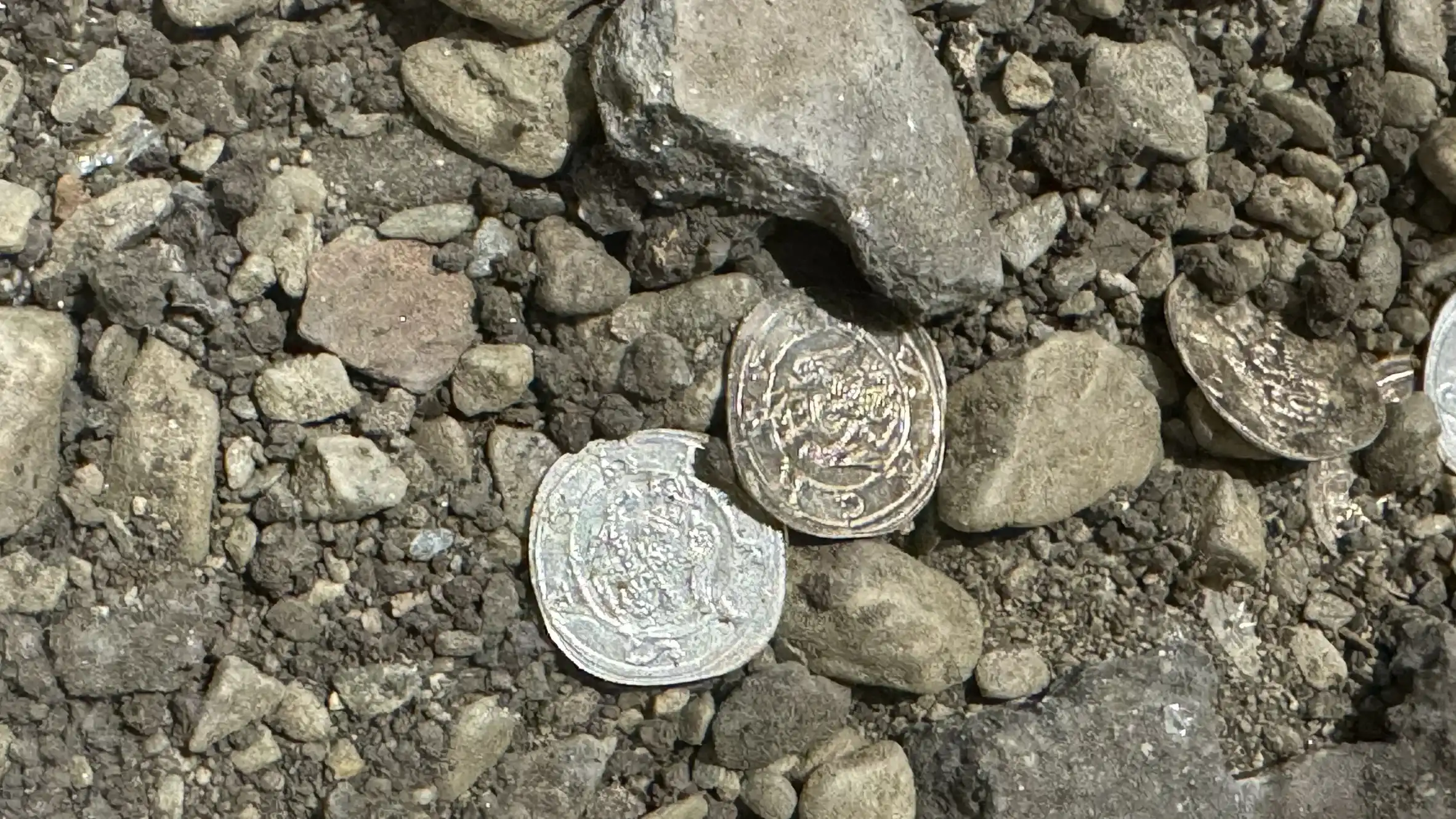
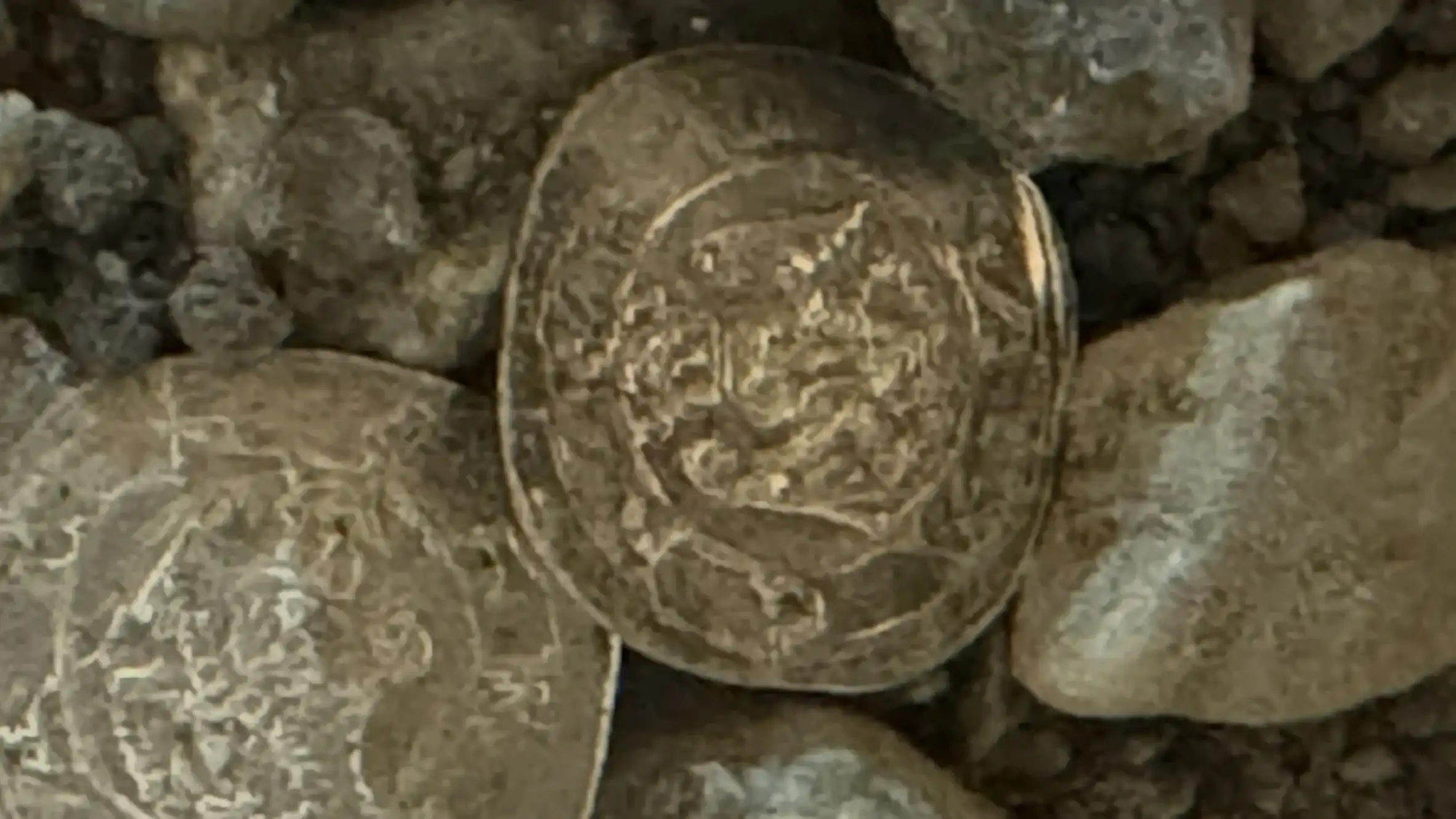
The “Friesacher Penny”, an Important Currency in the Middle Ages
Reading Time: 1:00 min
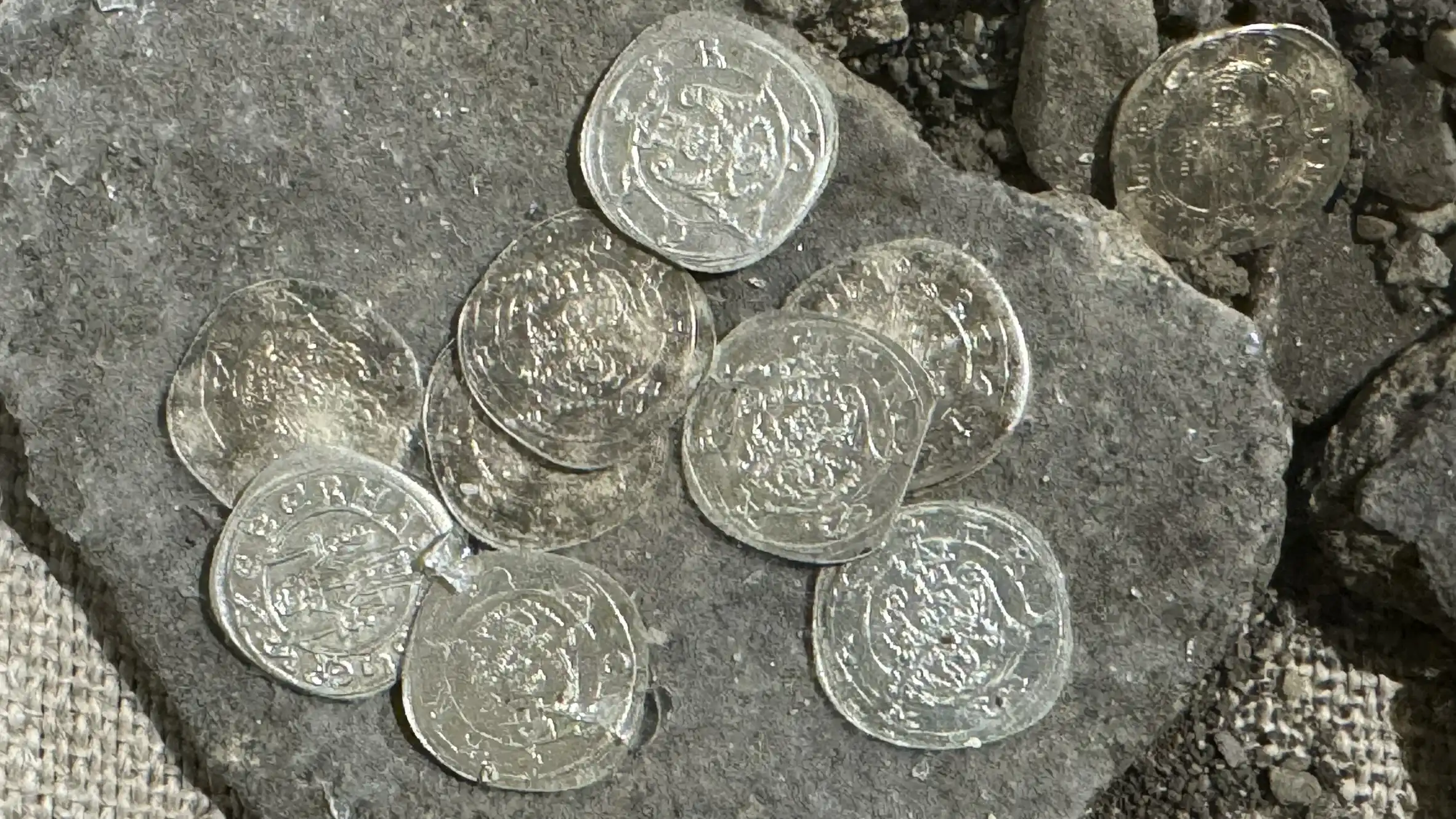
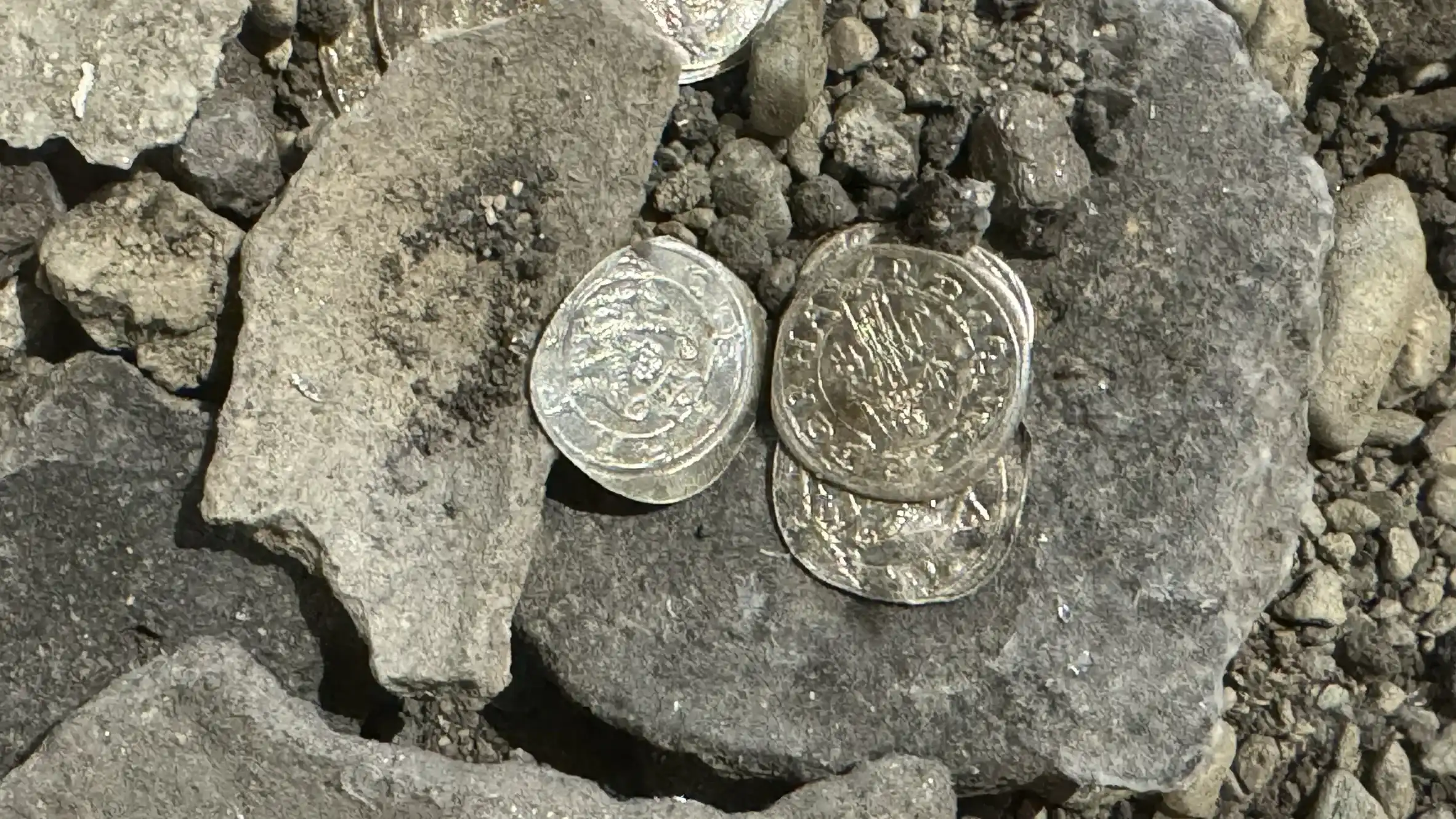
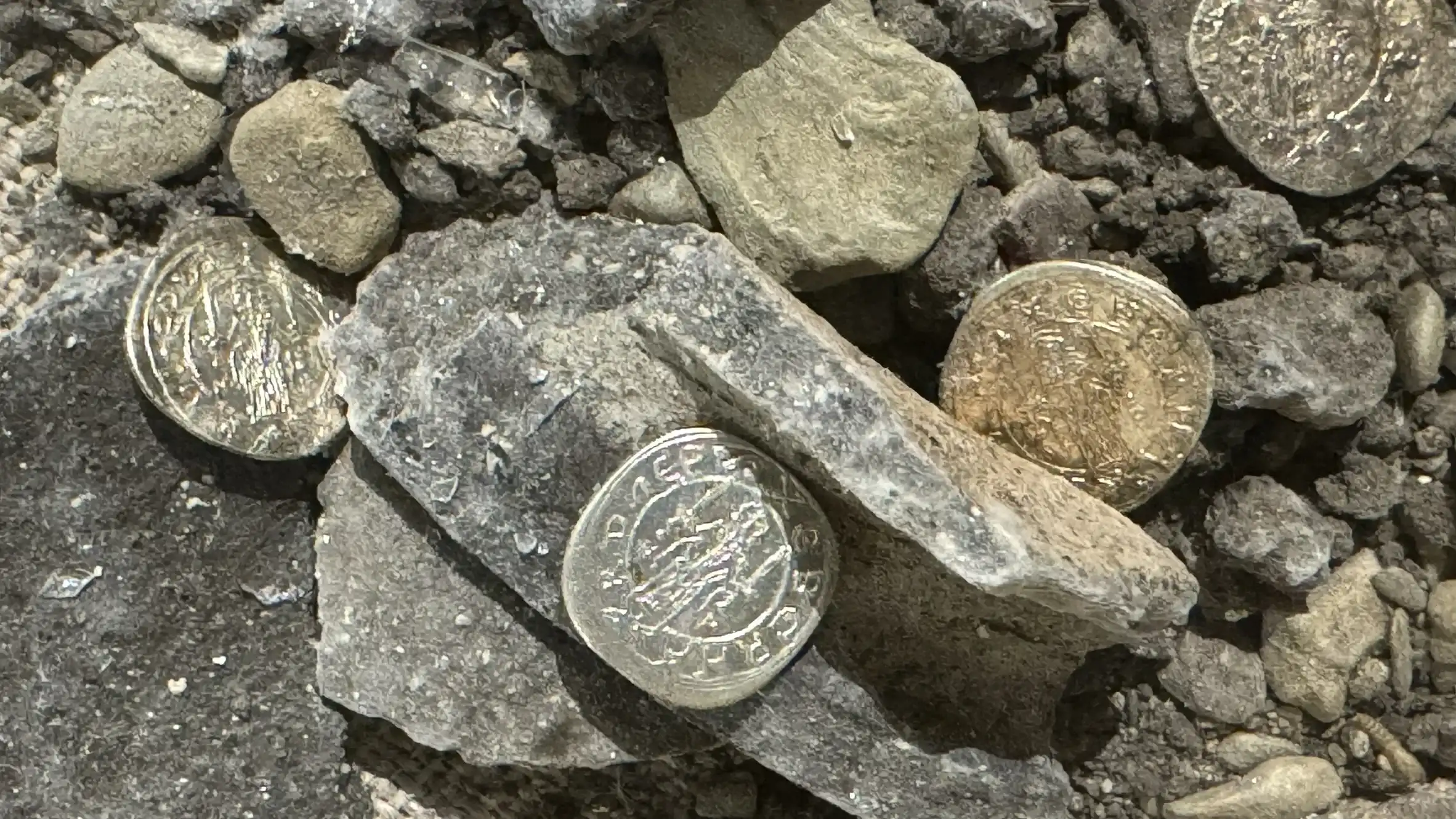
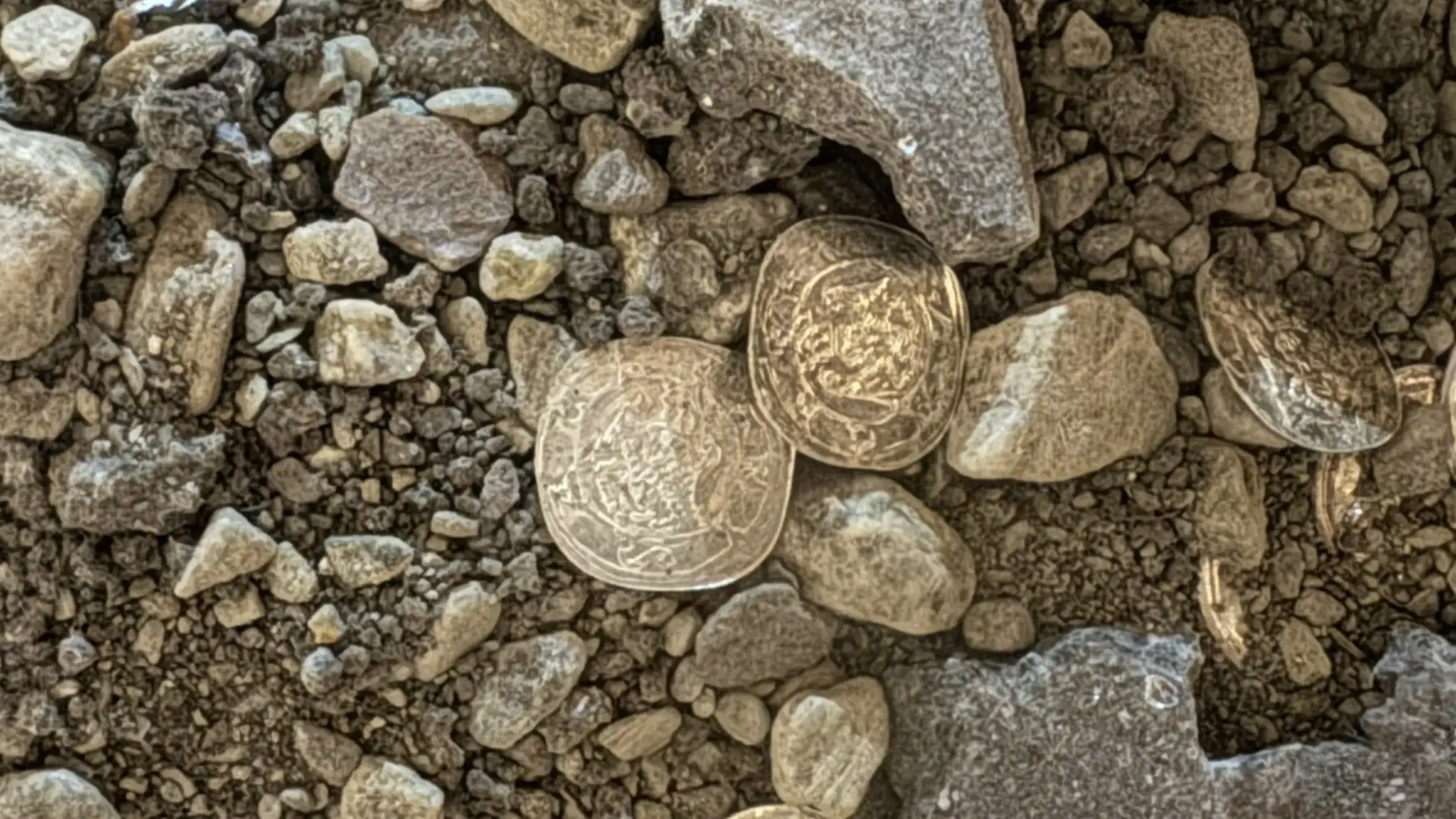
During the Middle Ages, the Friesacher Pfennig was one of the most important currencies in what is now Austria. It was first documented around 1157 CE.
Minting Facility
The silver coins were named after the town of Friesach in Carinthia, where the Archbishops of Salzburg (probably during the time of Archbishop Konrad I, who reigned from 1106 to 1147) established a mint near a local silver mine.
Obverse and Reverse
In the second half of the 12th century, the obverse of the coin often depicted the Archbishop, while the reverse featured two church steeples.
Peak
The Friesacher Pfennig reached the peak of its economic significance in the first half of the 13th century under Eberhard von Regensberg. It continued to be traded until the middle of the 14th century. Finds confirm that the Friesacher Pfennig was also a popular trade coin in the northern Balkans.
Frequently Imitated
It was imitated several times. The most well-known counterfeit was the coin called the “Agleier” or “Aglaier,” which was minted by the Lords of Aquileia. Later imitations were minted by the Counts of Görz and the Dukes of Carinthia.
Closure of the Minting Facility
The competition from these imitations, coupled with a shortage of silver and the influence of the Habsburgs in Carinthia (1335 CE onwards), eventually led to the closure of the Friesacher minting facility.